


New Constitution enters into force in Kazakhstan: power system is changing
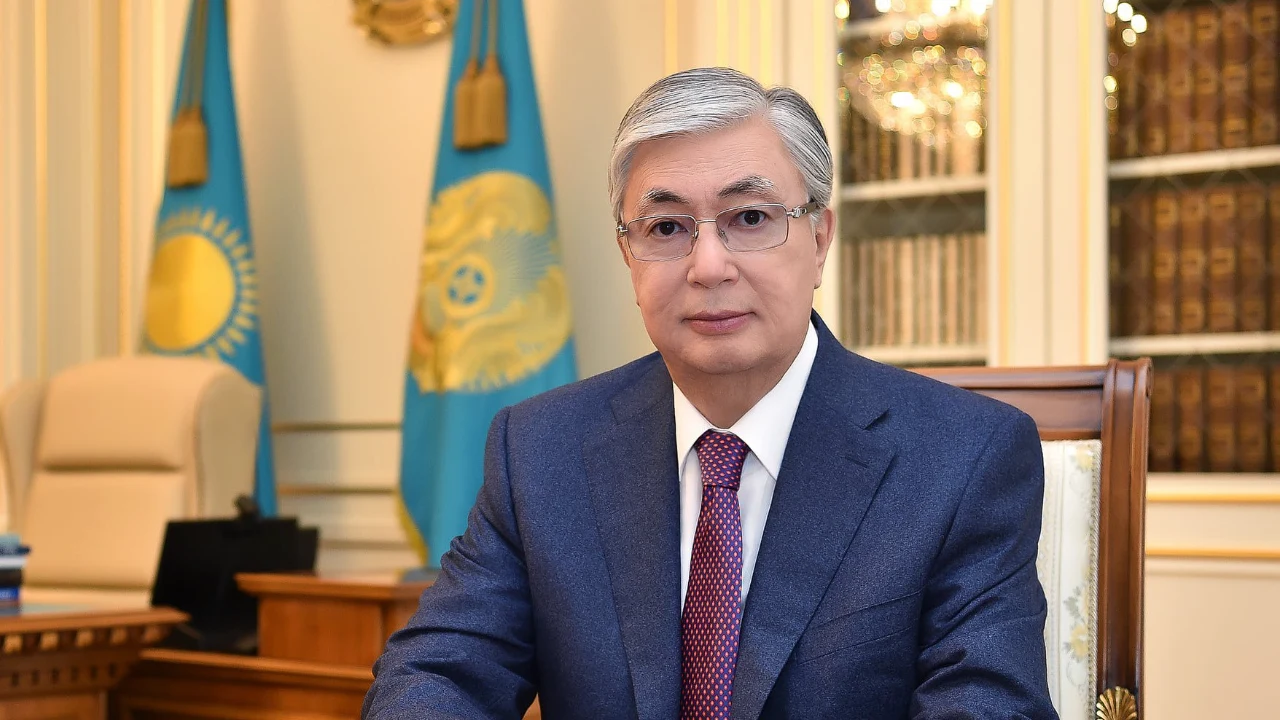
On July 1, a large-scale process of updating the state administration system began in Kazakhstan. At a joint session of the parliamentary chambers, President Kassym-Jomart Tokayev described these changes as a "capital overhaul" of the entire system of Kazakh statehood.
While maintaining the presidential form of government, the new Constitution changes the parliamentary structure, government accountability, and relations between state institutions.
Tokayev stated that a new era in state administration has begun
Kassym-Jomart Tokayev emphasized that the country's independence and sovereignty remain the fundamental pillars of the ongoing reforms.
The head of state noted that the main goal of the reforms is to increase management efficiency, reduce excessive bureaucracy, and strengthen the responsibility of state bodies to society.
"We have planned a capital overhaul of the entire building of Kazakh statehood, its foundation, and main pillars," Tokayev said.
The President announced that the new political system will operate on the principle of "strong president — influential Kurultai — accountable government."
Presidential rule will be maintained
Even after the new Constitution comes into force, Kazakhstan will remain a state with a presidential form of government.
The President is the main guarantor of the Constitution, the country's independence, territorial integrity, and national unity. The head of state also:
remains the supreme official and Supreme Commander-in-Chief;
determines the main directions of domestic and foreign policy;
represents Kazakhstan on the international stage;
appoints the heads of law enforcement agencies.
According to official Astana, the reforms do not aim to weaken the presidential institution, but rather to clarify the distribution of powers and responsibilities among state agencies.
Kurultai to replace the bicameral parliament
One of the most significant changes in the reforms is the abandonment of the bicameral parliament. A single legislative body — the unicameral Kurultai — will be established to replace the Senate and Mazhilis.
The new parliament will consist of 145 deputies. They are to be elected based on party lists.
Tokayev emphasized that the Kurultai should get rid of excessive bureaucratic procedures, adopt laws faster and with higher quality, and establish effective control over the government's activities.
The leader of Kazakhstan announced that elections to the new parliament will be held in August 2026. He said he would sign a decree calling for elections as soon as the Constitution enters into force.
Vice-presidency position to be introduced
Another significant political change for Kazakhstan in the new Basic Law is the reintroduction of the vice-presidency.
This position was abolished in Kazakhstan in 1996. In the new system, the vice-president is appointed by the head of state and could play a key role in the succession of presidential powers.
According to Reuters analysis, the emergence of the vice-presidency could establish a mechanism for transferring power to a future president. Tokayev's current single seven-year presidential term ends in 2029.
87 percent of voters supported it in the referendum
Kazakhstan's new Constitution was approved in a national referendum held on March 15, 2026.
According to the official results of the Central Election Commission:
voter turnout was 73.12 percent;
87.15 percent of voters supported the new Constitution;
nearly 10 percent of participants voted against it.
The new document provides for the reorganization of parliament, the introduction of the vice-presidency, and the updating of the distribution of powers among state institutions.
Reforms receive mixed assessments
Kazakh officials view the new Constitution as a historic step aimed at modernizing state administration and increasing the efficiency of the political system.
However, some political analysts point out that the fact that the president himself appoints the vice-president and the retention of the head of state's broad powers could further strengthen the influence of the executive branch.
Tokayev has rejected speculation about plans to transfer power early and stated that the next presidential election will be held in 2029.
The new Constitution, which entered into force on July 1, is one of the biggest changes in Kazakhstan's political system. How the reforms work in practice and how effectively the new Kurultai can control the government will become clearer after the August elections.



Comments 0
…