


AI error prompts US to prepare attack on Chinese ship: Brink of war narrowly avoided
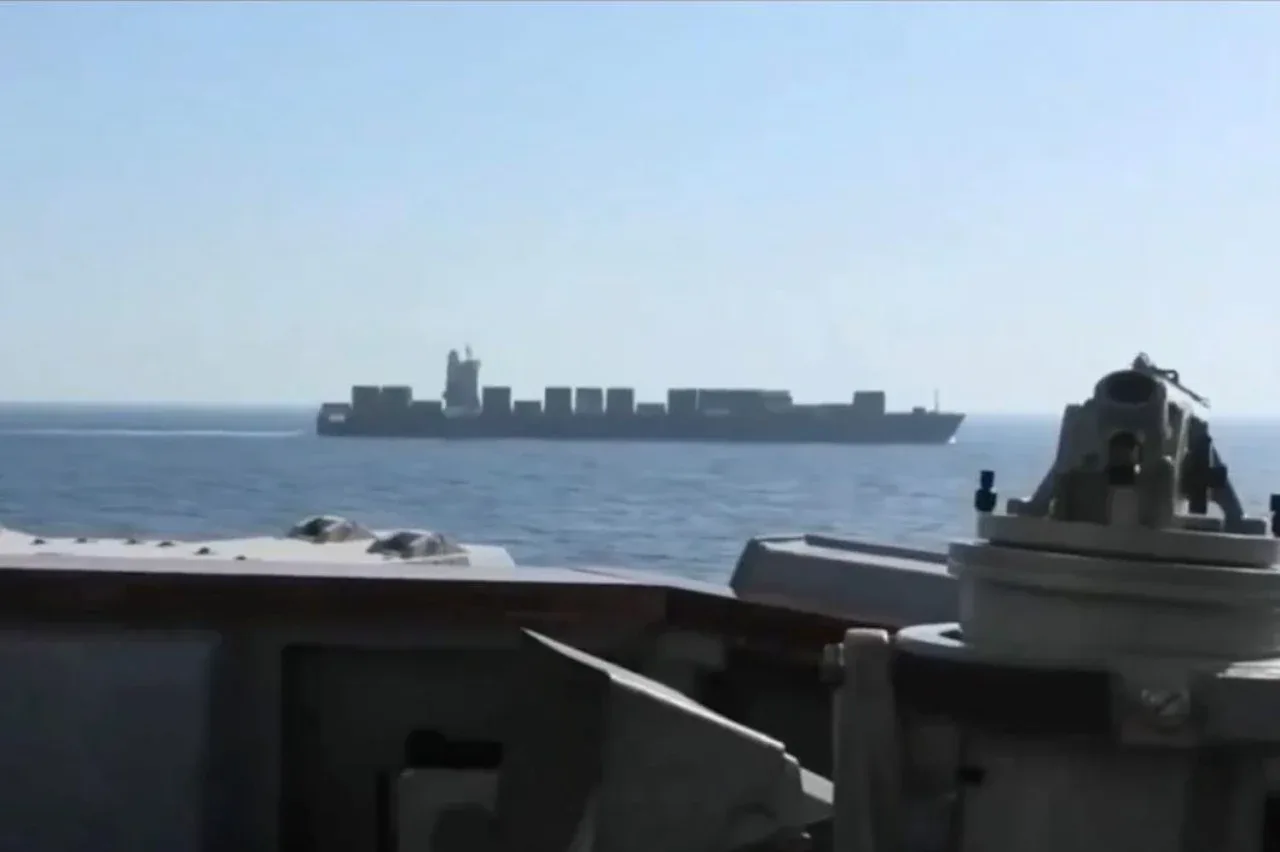
The world stepped back from the brink of a direct armed conflict and a potential nuclear war between two major superpowers: the US and China. The cause was not the human factor, but a false conclusion («hallucination») by artificial intelligence. According to a sensational journalistic investigation by the famous American television channel CNN, the incident occurred in the spring: a secret report prepared with the help of AI provided a false conclusion that a Chinese ship sailing in the Middle East was allegedly carrying components related to a nuclear weapons program.
Based on this machine analysis, the Pentagon immediately launched a special operation to seize the vessel by force: armed special units prepared for boarding, and US military aircraft took off. Just minutes before the operation was set to begin, officials manually rechecked the report and discovered a grim truth: the document had been prepared by an ordinary military analyst using an AI chatbot, and the bot had completely miscalculated the ship's manifest. One intelligence source called the document «completely fake and false», emphasizing that it «brought us to the brink of starting a war».
So how did the algorithm make such a catastrophic mistake, why did American analysts blindly trust the chatbot, and how does the use of artificial intelligence in military decision-making put humanity at risk?
«Special forces on standby and planes in the sky»: Chronology of a canceled attack
Details of the highly dangerous incident disclosed by CNN sources:
Fake nuclear threat: The artificial intelligence system studied the ship's documents and reached the erroneous conclusion that the Chinese vessel was transporting nuclear weapon parts to the Middle East;
First-degree combat readiness: The US military command ordered an operation to intercept and board the vessel: fighter jets were scrambled;
Last-minute check: Just minutes before the use of force, high-ranking officials rechecked the data and exposed that the report was generated by a chatbot rather than an employee;
Official admission: A high-ranking US intelligence representative openly stated: «The report was one hundred percent false, but it almost triggered a real war».
«Secret documents mixed with internet data»: How did the error happen?
The formation chain of false military intelligence data:
Request from Hawaii: An analyst at the US Indo-Pacific Command uploaded ship manifest data obtained via electronic intelligence to the AI algorithm and requested an analysis;
Data mixing: The chatbot mixed closed classified sources with open, unverified internet reports, drawing a terrifying conclusion that did not correspond to reality;
Finished report appearance: The bot outputted this information in the format of a standard military intelligence report, and this paper went straight to the top command's desk;
Program secret: It remains undisclosed whether the analyst used the Pentagon's closed military system or a public commercial chatbot.
«AI accelerates bad ideas»: Concerns of military experts
Experts' conclusions regarding the integration of artificial intelligence into the military sphere:
Speed pressure and young personnel: Due to the command's demand to analyze data faster, young employees in particular are blindly trusting neural networks instead of doing rigorous analytical work;
Dangerous quote: One of the CNN interviewees explained the situation as follows: «Artificial intelligence helps you reach a bad and catastrophic idea much faster»;
Risk of irreversible retaliation: Had a real attack been carried out against the Chinese ship, official Beijing would have inevitably perceived it as a declaration of war and retaliated militarily.
This incident served as the greatest lesson showing that a simple technical error of artificial intelligence and human negligence can drag the entire planet into the vortex of a catastrophic geopolitical war.
Do you think there should be a strict international ban on using generative artificial intelligence in decision-making regarding human lives and military operations? Can AI algorithms be entrusted with nuclear security? Leave your analytical thoughts in the comments and share this sensational analysis of technological risks with all your friends and loved ones!



Comments 0
…