


US Approves Massive Arms Package for Ukraine — A New Phase in Sky Defense
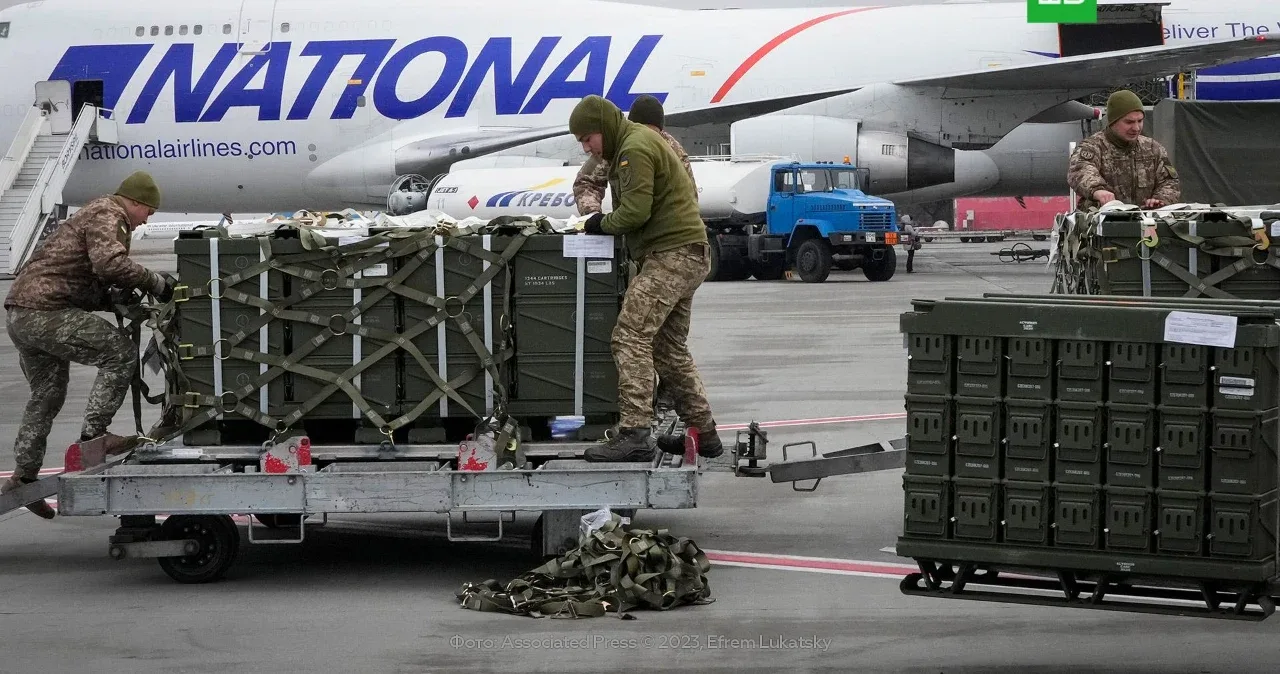
Amid intensifying military operations in Eastern Europe and increasing strikes on energy infrastructure, Washington has announced its next strategic decision regarding the large-scale arming of Kyiv. On September 18, the US Department of State officially approved the potential sale of air defense (AD/SAM) systems and ammunition to Ukraine with a total value of 2.68 billion US dollars. As part of this colossal military package, the Ukrainian side submitted an official request to purchase special missile analogues specifically developed for Soviet-era S-300 systems, high-precision GAM-67 missiles, long-range laser-guided complexes, self-propelled launchers, and state-of-the-art drone-detecting radars.
Furthermore, the agreement includes modernization kits for mobile launching systems, necessary spare parts, and long-term maintenance guarantees. Although the US foreign policy agency emphasized that this deal "will not alter the fundamental military balance" in the region, the delivery of such a large financial volume and unique missile analogues is regarded by international military experts as a new phase in the air war.
So, how much will the new 2.68 billion dollar air shield strengthen Ukraine's skies, how will the integration of Soviet systems with Western technologies work, and how will the Pentagon's decision affect the situation on the battlefield?
“The $2.68 Billion Military Package”: What is Ukraine Getting?
The list of main military assets indicated in the US Department of State document:
Missile analogues for S-300 systems: Alternative missiles adapted in the West will be delivered to solve the depleting ammunition problem of Soviet-era complexes;
GAM-67 missiles: Modern aviation and surface missile weapons that are fast and destroy targets with high precision;
Laser-guided long-range systems: High-tech complexes designed to remotely destroy the opponent's launch sites and distant air targets;
Self-propelled launchers and modernization: Upgrading mobile launch platforms with special modules that allow rapid movement and concealment from radars;
Drone detection equipment: Systems to pre-detect the hidden trajectories of strike and kamikaze drones;
Maintenance and repair: Spare parts and engineering support ensuring the uninterrupted operation of weapons on the battlefield.
“A Western Breath into Soviet Systems”: The Peak of the FrankENSAM Project
Unique technological aspects that caught the attention of military experts:
A solution to the S-300 deficit: S-300 systems are considered the main defense foundation of the Ukrainian army, but the shortage of their missiles was the biggest problem; the creation of analogues will revive this defense line;
Effect of hybrid systems: An affordable and effective air shield is being formed by integrating Western radars and software into Soviet platforms;
Preparation for the winter season: These new systems will shoulder the main burden in protecting energy facilities and cities from anticipated autumn-winter mass air strikes.
Geopolitical Analysis: Department of State Statement and Impact on the Frontline
Conclusions of international security specialists:
“The balance will not change” diplomacy: To avoid a direct escalation of the conflict, Washington is calling this package strictly defensive rather than offensive weapons;
Financial scale: The 2.68 billion dollar sum has become one of the largest military procurements allocated for a single direction — air defense systems — in recent months;
Response to the drone war: Instead of spending expensive Patriot missiles against cheap kamikaze drones, new small-caliber laser and modernized missiles make defense economically cheaper.
There is no doubt that this 2.68 billion dollar decision by the US Department of State will take the competition in the skies over Ukraine to a new, even higher technological level.
In your opinion, can these new air defense systems and S-300 analogues provided by the US worth 2.68 billion dollars fully strengthen Ukraine's air defense, or will this still fall short of preventing air strikes? Do you agree with the Department of State's claim that the "regional balance will not change"? Leave your analytical thoughts in the comments and share this review of this important event in global military geopolitics with all your close ones and friends!



Comments 0
…