


"Progress MS-35" is approaching the International Space Station: What awaits the 7 astronauts?
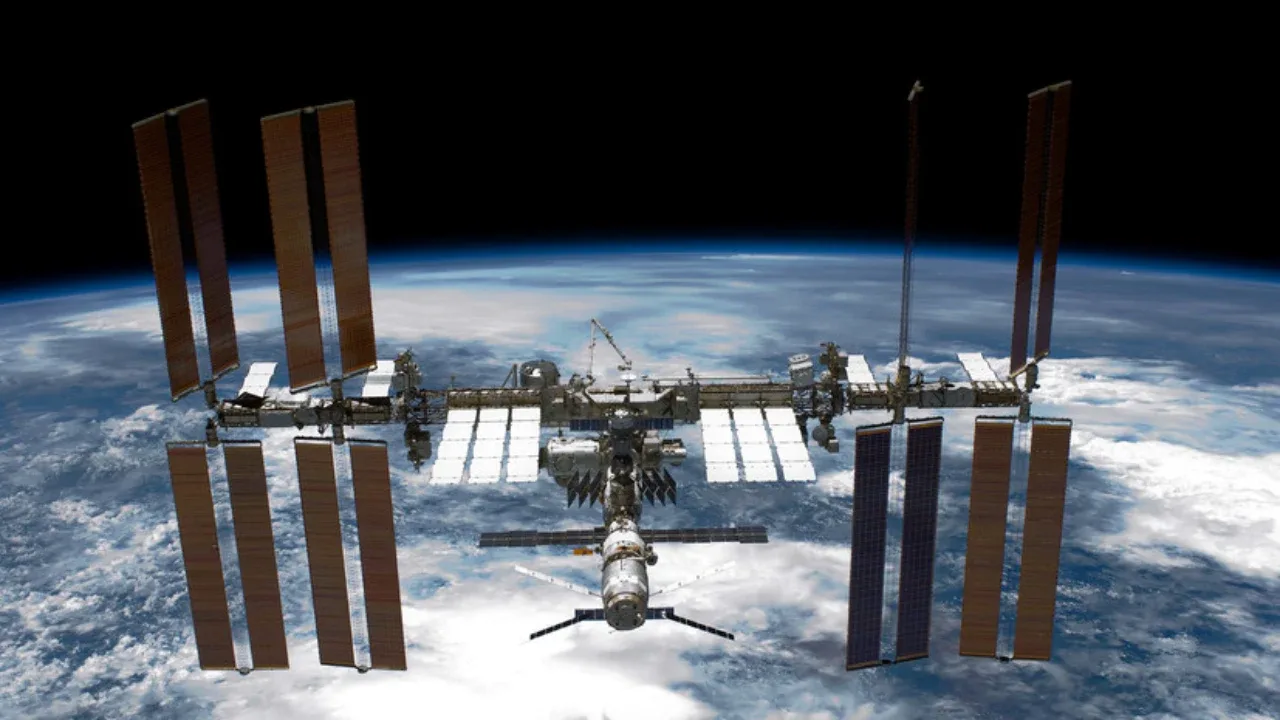
The transport cargo spacecraft heading towards the International Space Station (ISS), considered humanity's main scientific laboratory in space, is on the verge of completing its next important mission. The "Progress MS-35" spacecraft, launched into space on Wednesday, September 16, from the Baikonur Cosmodrome using a "Soyuz-2.1b" carrier rocket, is expected to dock with the station's "Poisk" module on Saturday. The docking process is scheduled for 16:46 Moscow time, and this mission delivers vital supplies for the station's life and ongoing major scientific experiments.
Aboard the space cargo ship, there are over 2.4 tons of various cargo in total, delivering fuel to fill the station, drinking water, oxygen for the artificial atmosphere, and laboratory equipment. However, the biggest technological innovation of this flight is the delivery of a special exoskeleton designed to control the "Teledroid" future robot working in outer space.
So, what scientific experiments await the 7 international crew members serving in orbit, how will the android robot delivered to the ISS in the coming months make a turning point in human space exploration, and what is the role of the "Progress MS-35" mission in ensuring safety in orbit?
"2.4 tons of reserves and life support systems": What was delivered to orbit?
Main indicators of valuable cargo aboard the "Progress MS-35" cargo ship:
Fuel reserve: 842 kg of fuel to correct the station's altitude and keep it stable in orbit;
Drinking water: 420 kg of pure drinking water intended for the needs of the international crew;
Atmosphere reserve: 50 kg of compressed air to enrich the breathing environment inside the ISS;
Technical equipment: 525 kg of equipment and consumables to keep the station in working order and for the crew's daily activities;
Complex scientific equipment: Special systems for conducting biological and physical tests in the orbital laboratory.
"Teledroid" exoskeleton and scientific laboratory revolution
Main scientific directions carried out via the spacecraft:
Remote control of a humanoid robot: A control exoskeleton was delivered for an android robot that will go into outer space in the future and perform heavy repair work instead of humans; the robot itself will be sent to the station in the next cargo ship in November;
Unique experiments program: Equipment was brought for special scientific projects named "Gazoanalizator-FS", "Biopolimer", "Virtual", "Vampire", "Uragan", and "Separation";
Earth environment monitoring: A new stage begins in assessing natural disasters from space and creating new space materials.
International crew: Who is serving at the station?
Currently, a united team consisting of 7 representatives from three leading space agencies is operating at the International Space Station:
"Roscosmos" cosmonauts: Pyotr Dubrov, Anna Kikina, and Andrey Fedyayev;
NASA astronauts: Jessica Meir, Anil Menon, and Jack Hathaway;
European Space Agency (ESA): French astronaut Sophie Adenot.
Despite various geopolitical complexities on Earth, the astronauts are working together in outer space for global cooperation, the future of humanity, and the prosperity of science.
In your opinion, will the use of humanoid robots and exoskeletons like "Teledroid" in space exploration completely replace dangerous human labor in outer space in the future? How much of a push will such international scientific projects in Earth orbit give to humanity's journeys to Mars and the Moon? Leave your analytical thoughts in the comments and share this fascinating scientific analysis of the space world with all your friends and space enthusiasts!



Comments 0
…