


Only three people in the world can travel abroad without a passport. Who are they?
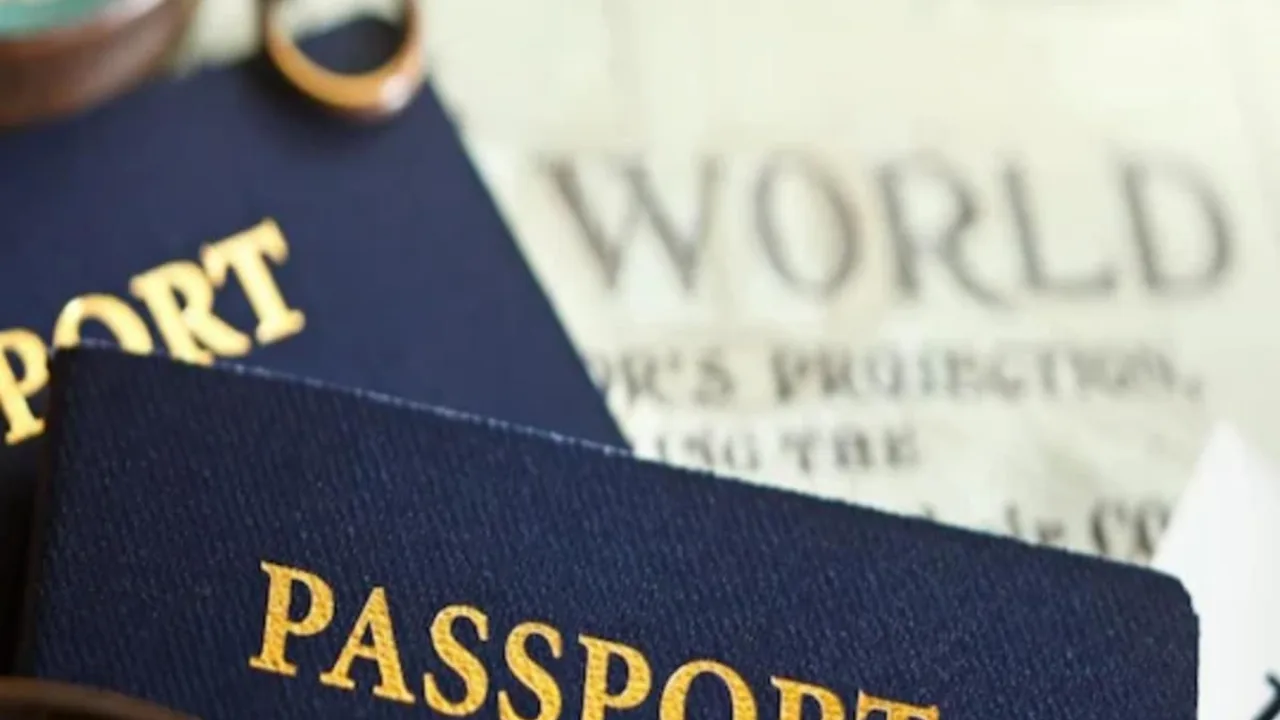
For most people, a passport is the main document required when traveling abroad. However, there are only three people in the world who have the right to travel abroad without a passport due to their status: United Kingdom King Charles III, Japanese Emperor Naruhito, and his wife Masako. This privilege is connected to their special status as heads of state and monarchs.
UK King Charles III does not need a British passport to travel abroad. The royal family's official website explains that this is because British passports are issued in the monarch's name. Therefore, the king himself does not need a separate passport.
Instead of a regular passport, special documents and diplomatic procedures are used during the British monarch's travels. The first page of a British passport also contains an official request in the monarch's name asking to let the holder pass without hindrance and to provide necessary assistance and protection. Other members of the royal family travel with passports.
Why doesn't the Emperor of Japan get a passport?
Japanese Emperor Naruhito and his wife Masako have a similar, yet distinct arrangement. In 1971, Japan's foreign affairs authorities decided that issuing regular passports to the emperor and empress and subjecting them to routine passport and visa procedures like ordinary citizens was incompatible with their status.
Therefore, when the emperor and empress visit abroad, they travel based on a relevant ministerial document instead of a passport. The Japanese government notifies the destination country in advance through diplomatic channels regarding their visit.
This privilege does not apply to all members of the Japanese imperial family. For instance, other high-ranking members of the imperial family use diplomatic passports.
How else does the Emperor's status differ?
In Japan, the emperor's status differs from ordinary citizens in other aspects as well. He does not directly manage the country's politics and, according to the constitution, is considered the symbol of the state and the unity of the people.
Additionally, members of the Japanese imperial family do not use ordinary surnames.
Thus, the ability of Charles III, Naruhito, and Masako to travel abroad without a passport is not a mere exception, but a special procedure linked to their constitutional and statehood status.


Comments 0
…