


World's heaviest insect saved from extinction
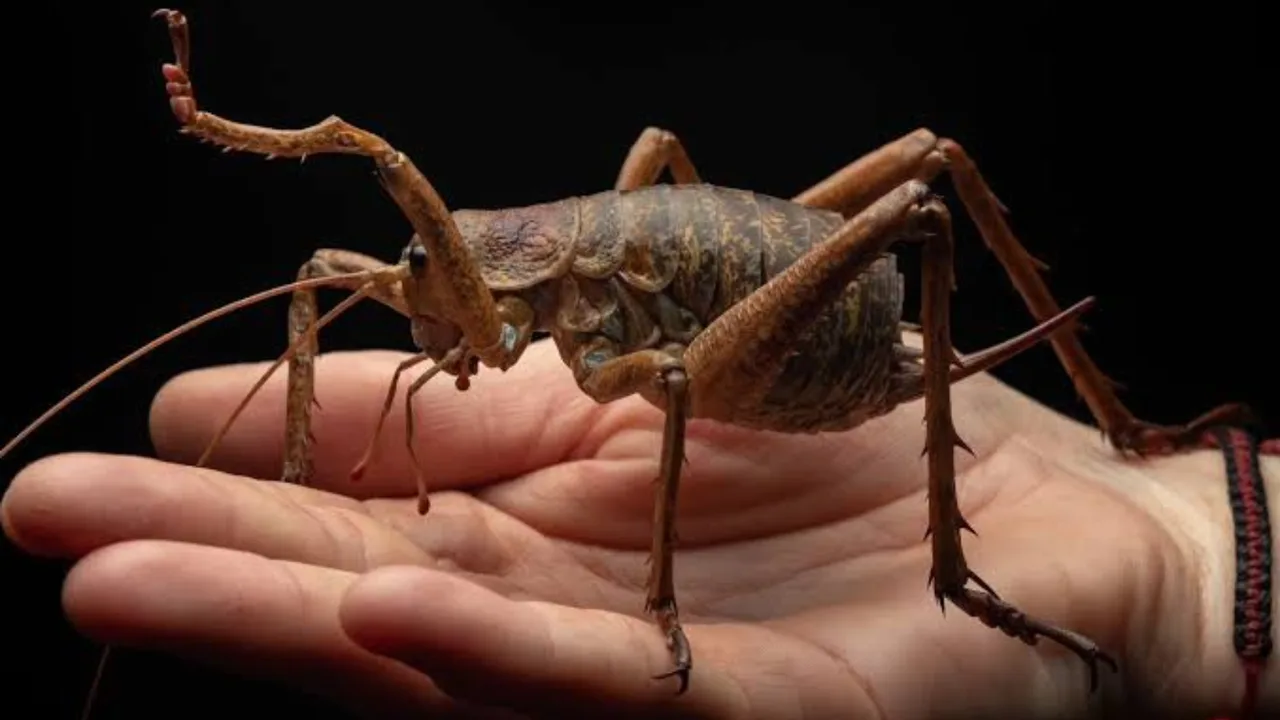
A special program implemented in New Zealand to save giant wetapunga insects, whose weight rivals that of a mouse, and return them to their natural habitat has yielded positive results. Zoo specialists created the necessary conditions for these rare insects, cared for them based on a special diet, and succeeded in preserving their lineage.
A special breeding program carried out in New Zealand has greatly helped restore the population of the wetapunga, considered the heaviest insect in the world. This was reported by The Guardian.
The female wetapunga, officially named Deinacrida heteracantha, stands out from many other insects with its appearance and size. Its weight can be almost equal to that of a mouse. Its body length reaches up to 10 centimeters, and its leg span can reach up to 20 centimeters.
Usually, female wetapungas are larger than males. During pregnancy, their weight can even reach up to 70 grams. In this regard, this insect attracts attention as one of the largest and heaviest insects in the world.
Currently, these insects are officially assessed as an extinct species in the wild in New Zealand. Their numbers have decreased particularly sharply in the regions of the North Island.
According to experts, as a result of the proliferation of predators and the disruption of the natural ecosystem, wetapungas were on the verge of complete extinction by the early 1990s.
Special care and return to nature
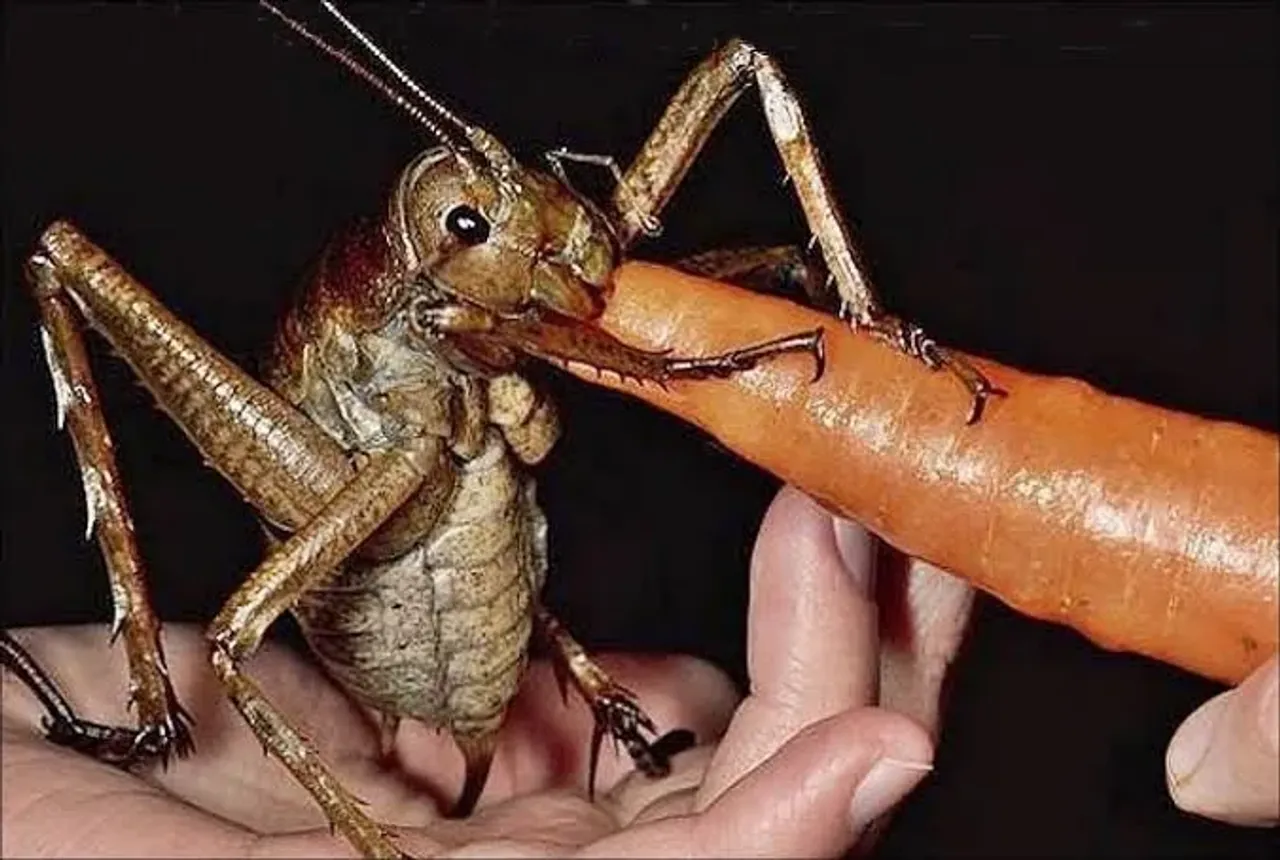
In order to save the rare insect species, two zoos in New Zealand developed a system for breeding wetapungas in special conditions.
Experts set up separate cages for the insects and tried to create conditions as close to their natural life as possible. In addition to fresh and fallen leaves, the wetapungas were fed a special three-component diet that also included fish protein.
As a result of special care and controlled breeding, the number of wetapungas increased significantly. Later, work began to return them to their natural environment.
As a result, a total of 11,000 wetapungas were released onto predator-free islands. This gave the rare insects the opportunity to live, reproduce, and leave a new generation in a safe environment.
Thus, experts managed to preserve the species' population over several generations. The return of wetapungas to nature became one of the important steps in protecting endangered rare species in New Zealand.


Comments 0
…