


Animal virus detected in a human for the first time
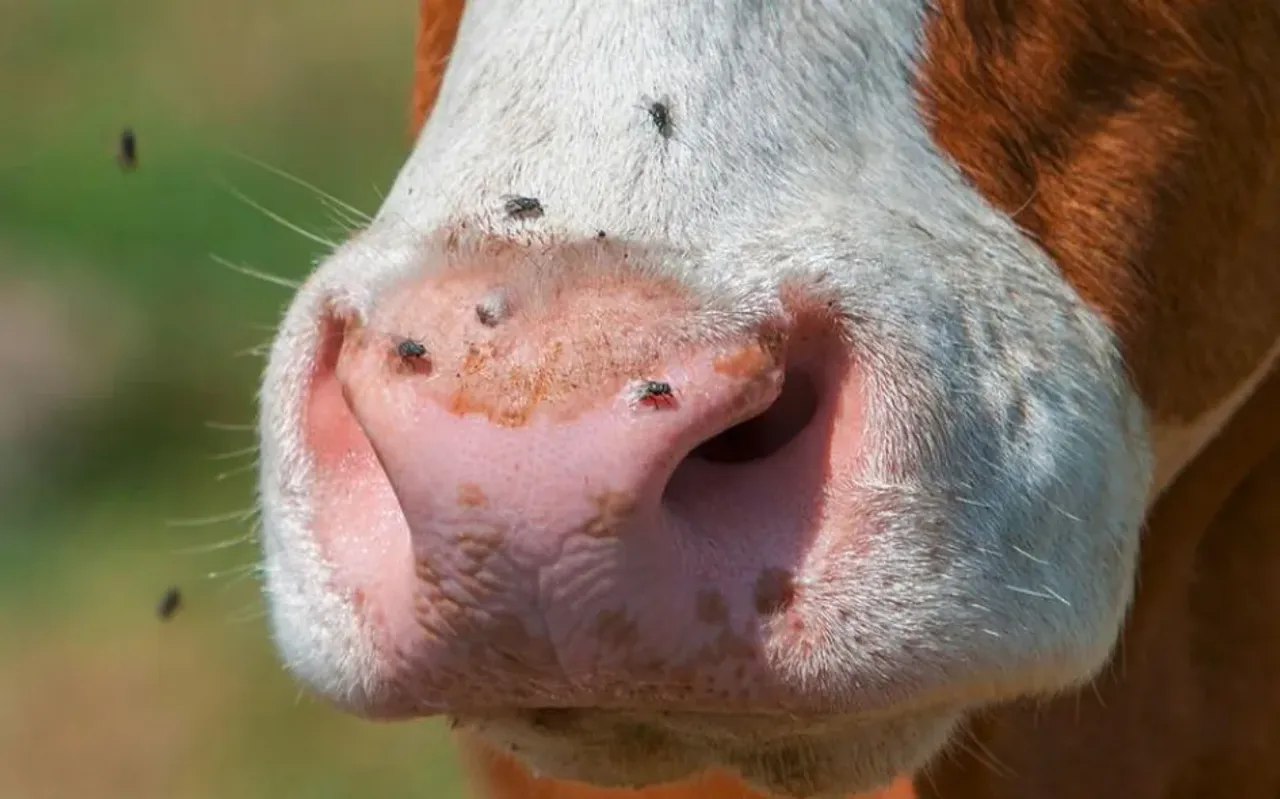
The Shamonda virus, which is predominantly found in cattle, has been detected in a human for the first time in France. The patient in whom the virus was recorded died in the city of Lyon in early October. This was reported by Euronews.
According to reports, prior to this case, it was believed that the virus could not be transmitted to humans. The deceased patient had a severely weakened immune system and was being treated at a hospital in Lyon.
Experts suspect that the virus may have been transmitted to the patient through a small blood-sucking insect. However, the exact source of the infection remains unknown.
It is possible that the brain complications observed in the patient prior to death were related to the virus. Currently, researchers are investigating whether the Shamonda infection was the cause of death or if other factors also contributed. The World Health Organization and the European Centre for Disease Prevention and Control are cooperating in the investigation.
It has been stated that there is currently no evidence that the virus poses a widespread threat to public health.
What is known about the Shamonda virus?
The virus mainly affects cattle. Infected animals may experience fever, lethargy, and diarrhea, while cows may show a decrease in milk productivity. The infection is spread through small biting insects.
The Shamonda virus was first identified in Nigeria in the mid-1960s. It was later recorded in Africa and Japan. In the summer of 2026, the virus spread among animals in a number of European countries.
This case in France is the first known instance of the virus being detected in a human. No final conclusion has yet been reached regarding its link to the fatality.


Comments 0
…