


The secret beneath the skin revealed: Scientists determine how malaria mosquitoes suck blood
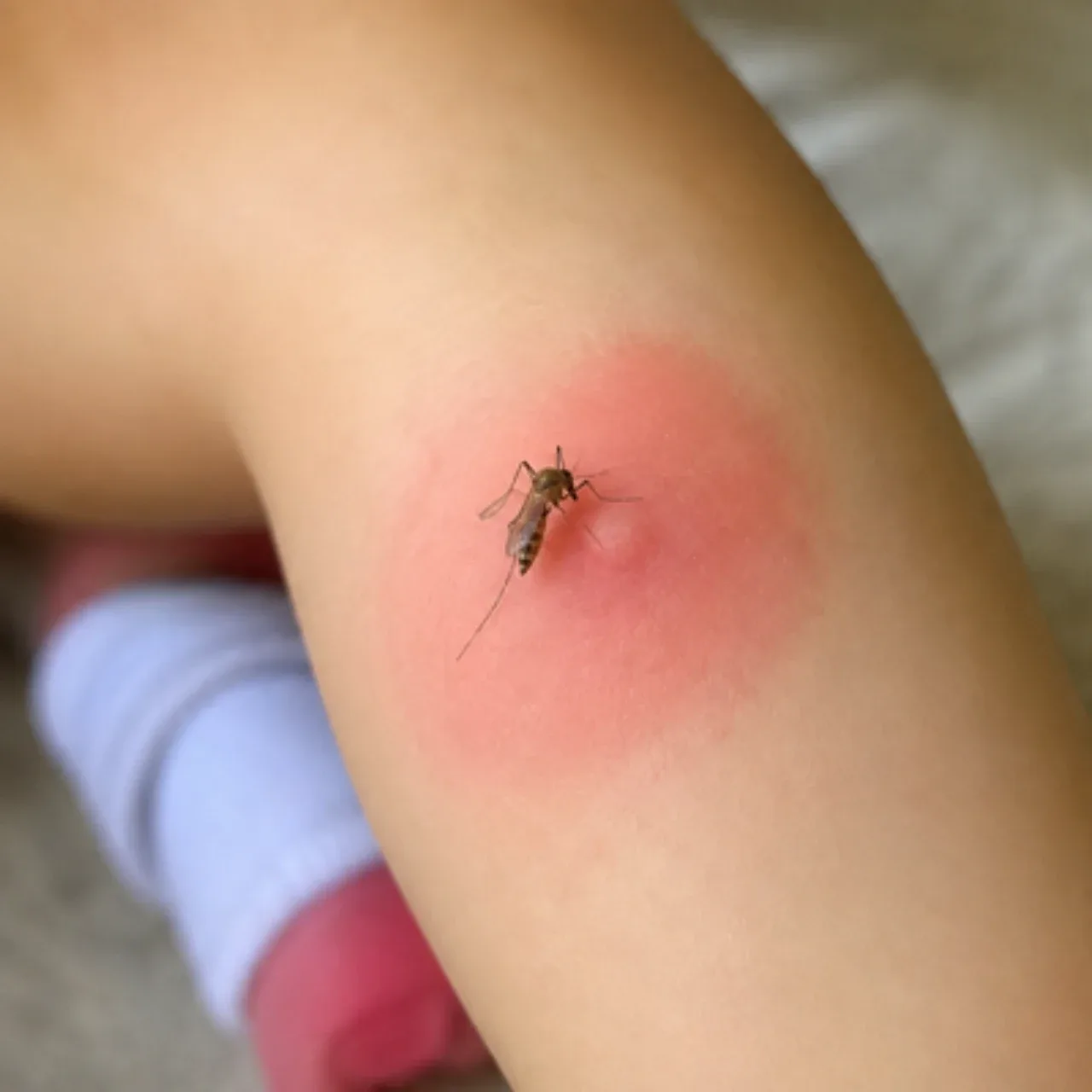
Scientists at the prestigious Johns Hopkins University in the USA have managed, for the first time with unprecedented precision, to observe the exact processes that occur on the skin surface and in its deeper layers when a malaria mosquito bites a human.
As a result of experiments conducted using high-speed special video cameras and sensitive micro-sensors, 5 main stages of the biting process were identified, and it was proven that the insect's sensory system plays a decisive role in finding a blood vessel. The research findings were published in the prestigious journal Science Advances.
Electric wires and micro-cameras: The 5 stages of a bite
Researchers connected ultra-thin electric wires to the sensory organs of malaria mosquitoes belonging to the species Anopheles coluzzii. This method made it possible to record the smallest changes in electrical voltage in real time when the mosquito's proboscis entered under the skin:
Five consecutive stages: Scientists divided the biting process into stages such as piercing the skin, searching for a blood vessel, sucking blood, withdrawing the proboscis, and completely finishing the bite;
The secret of piercing the skin: When piercing the skin, the mosquito does not limit itself only to its proboscis, but also actively engages its legs and sensory receptors around the mouth;
Absolute stillness: Once the blood-sucking process begins, the insect remains completely still to ensure its safety and uninterrupted feeding.
17 seconds faster than the dengue mosquito
Scientists compared the movements of the malaria mosquito with the Aedes aegypti mosquito, which transmits dengue fever, and encountered an interesting result:
Finding the vessel faster: The malaria mosquito finds a blood vessel under the skin on average 17 seconds faster than the dengue transmitter;
Equal duration: Nevertheless, the total time of biting and feeding to fullness in both species is almost the same — about 2.5 minutes;
Independent evolution: Given that the evolutionary paths of these species diverged nearly 150 million years ago, scientists concluded that both insects arrived at such a highly efficient method of blood sucking independently of each other.
IR76b gene: A new method of protection against infections
During the experiments, the activity of the IR76b gene, associated with the mosquitoes' sense of smell, was artificially deactivated:
Loss of target: Mosquitoes without this gene almost completely lost the ability to purposefully search for blood vessels under the skin, and their blood-sucking rate dropped sharply;
Benefits for future medicine: According to the authors, a thorough understanding of the sensory system and movement mechanism of mosquitoes will serve to create completely new, much more effective tools in the future to protect against malaria and similar severe infectious diseases.



Comments 0
…