


Samsung Surpasses Qualcomm: Exynos 2600 Cooling System Sets Record
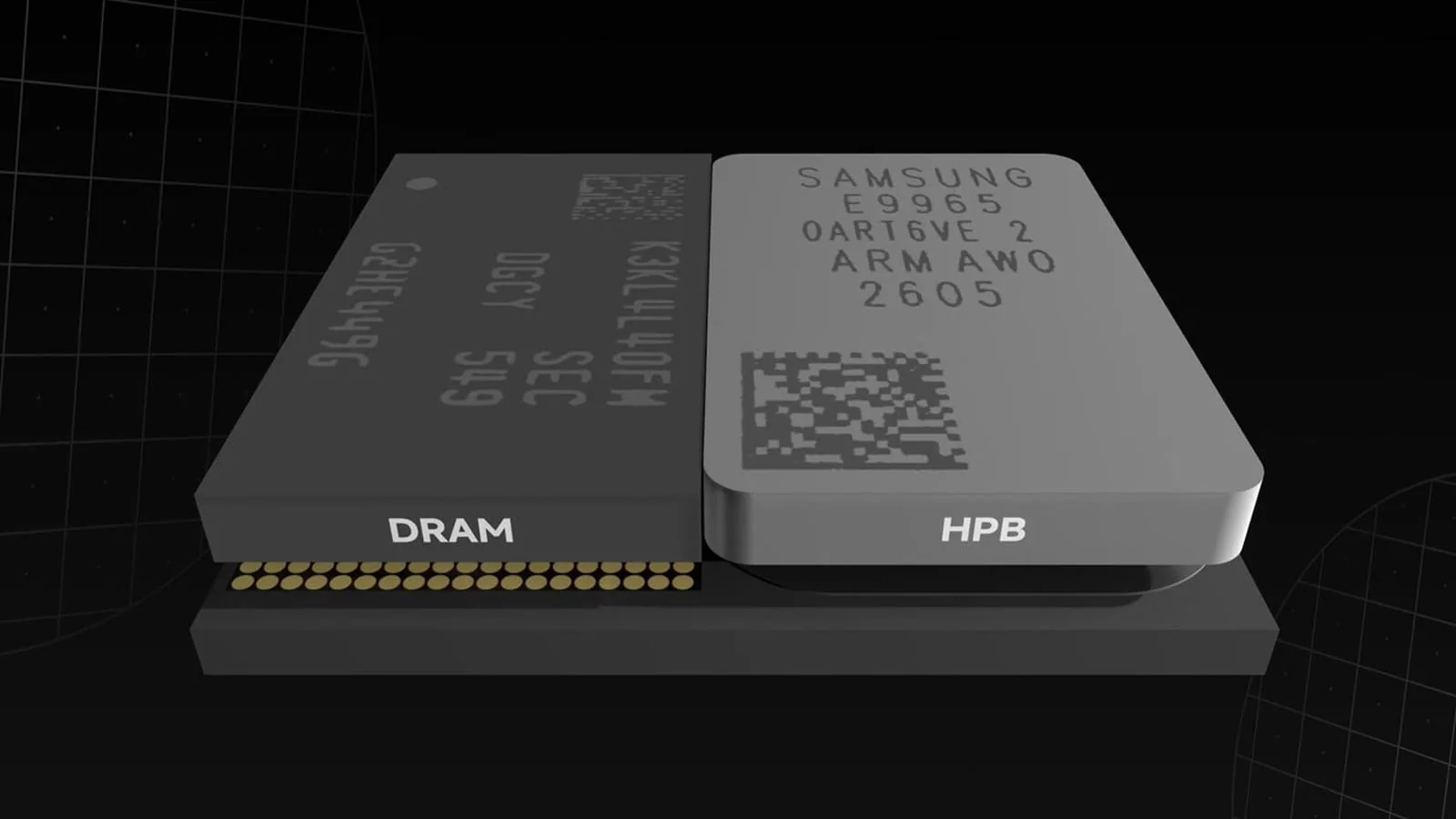
While the use of vapor chambers in premium smartphones has become standard, Samsung has taken a step further. In the new Exynos 2600 processor, the South Korean giant has implemented Heat Pass Block (HPB) technology. This technology involves mounting a copper radiator directly onto the SoC crystal for more efficient heat dissipation. Practical tests have shown that this approach outperforms even liquid nitrogen cooling systems. This is reported by Ixbt.com reports .
Research conducted by renowned tech blogger Geekerwan has proven the efficiency of Samsung's development. Currently, Apple and other manufacturers use PoP (Package-on-Package) technology, where DRAM is layered on top of the processor crystal. While this saves space, the heat generated by the memory heats up the processor and reduces its performance (throttling). Geekerwan attempted to cool the Snapdragon 8 Elite Gen 5 chip using liquid nitrogen, but the Qualcomm flagship could not maintain a stable 4.61 GHz frequency even at extremely low temperatures.
At the same time, the HPB technology in the Exynos 2600 chip showed significantly higher efficiency in thermal management. Although the Galaxy S26+ smartphone heated up slightly under prolonged load, this is explained by the small size of the vapor chamber in the device. The solution to the problem turned out to be simple: by attaching a simple detachable fan to the back of the smartphone, the Exynos 2600 can fully restore its maximum power.
Samsung's success has forced other industry players to reconsider their plans. According to reports, Qualcomm intends to use a similar solution in its 2nm Snapdragon 8 Elite Gen 6 Pro chip. Apple and MediaTek are also expected to copy this technology in their future products. Samsung, however, does not intend to stop: the next Exynos 2700 generation will introduce SBS (Side-by-Side) technology, where the processor and memory are placed side by side.


Comments 0
…