


SpaceX Stock Price Drops to IPO Levels Ahead of Starship Flight
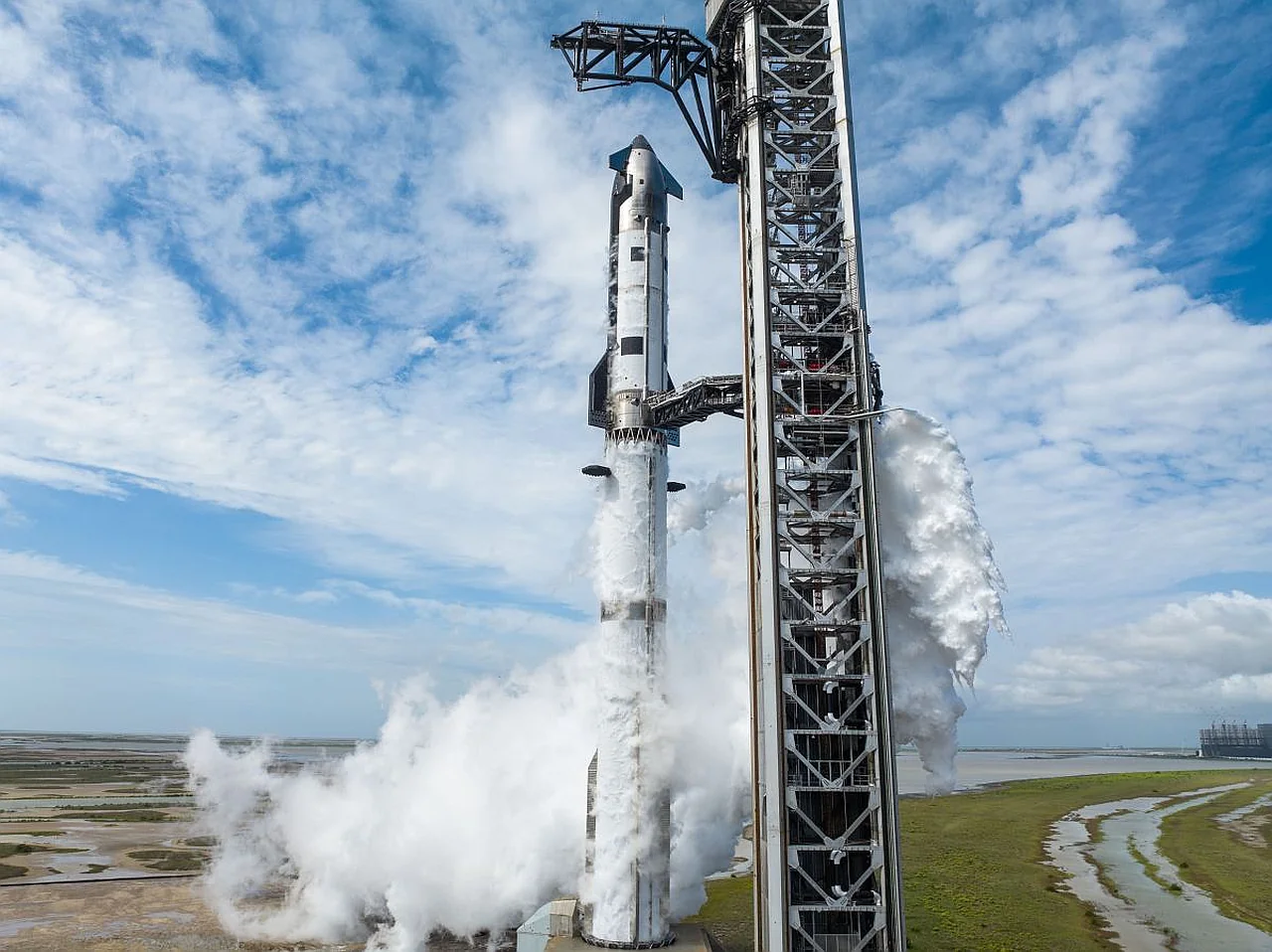
Shares of Elon Musk's SpaceX have seen a significant decline in trading, returning to the level of their blockbuster June IPO (initial public offering) of around $135. For a company that raised nearly $86 billion a month ago, this situation serves as a test of investor confidence. During Wednesday's trading, the stock price even dipped to $133, though it stabilized at $135.27 by the end of the day. This is reported by Techcrunch.com .
This decline is a continuation of the general trend observed since SpaceX shares hit the public market. In the early days, the company's securities exceeded $200, competing in market value with tech giants like Amazon and Microsoft. However, after that peak, the shares lost value almost every week. Experts attribute this to a general downturn in the technology sector and the waning of overly optimistic investor sentiment.
Reasons for market instability
One of the main reasons for the sharp volatility in share prices is that only 4% of the company's total shares are circulating on the Nasdaq exchange. This small portion, known in market terms as the "float," combined with immense interest in the company, creates conditions for rapid price spikes or drops. Furthermore, bonds issued by SpaceX following the IPO are also losing value, which is intensifying concerns in the financial market.The situation surrounding SpaceX is not limited to this company alone. Currently, major AI startups like OpenAI and Anthropic have also secretly filed for IPOs. Investors are watching how SpaceX shares behave to predict the potential success of upcoming public offerings from other Big Tech companies. In this sense, Elon Musk's company is serving as a specific indicator for the entire technology market.
Starship test and future plans
The next test for the company's stock price is expected on Thursday. SpaceX plans to launch its massive Starship rocket into space for the first time since the IPO. Since the Starship project is still in the development phase, the company operates on the "fly, fail, fix" principle. This increases the probability of unexpected technical malfunctions during the next flight.Notably, SpaceX does not plan to recover the rocket booster or the upper stage during this mission. Instead, a simulated landing in the Gulf of Mexico will be performed, which will end in the destruction of the hardware in any case. This risky yet innovative approach will demonstrate the extent to which investors maintain confidence in Elon Musk's promises of "other worlds."


Comments 0
…