


Figma introduces new features to bridge the gap between design and development
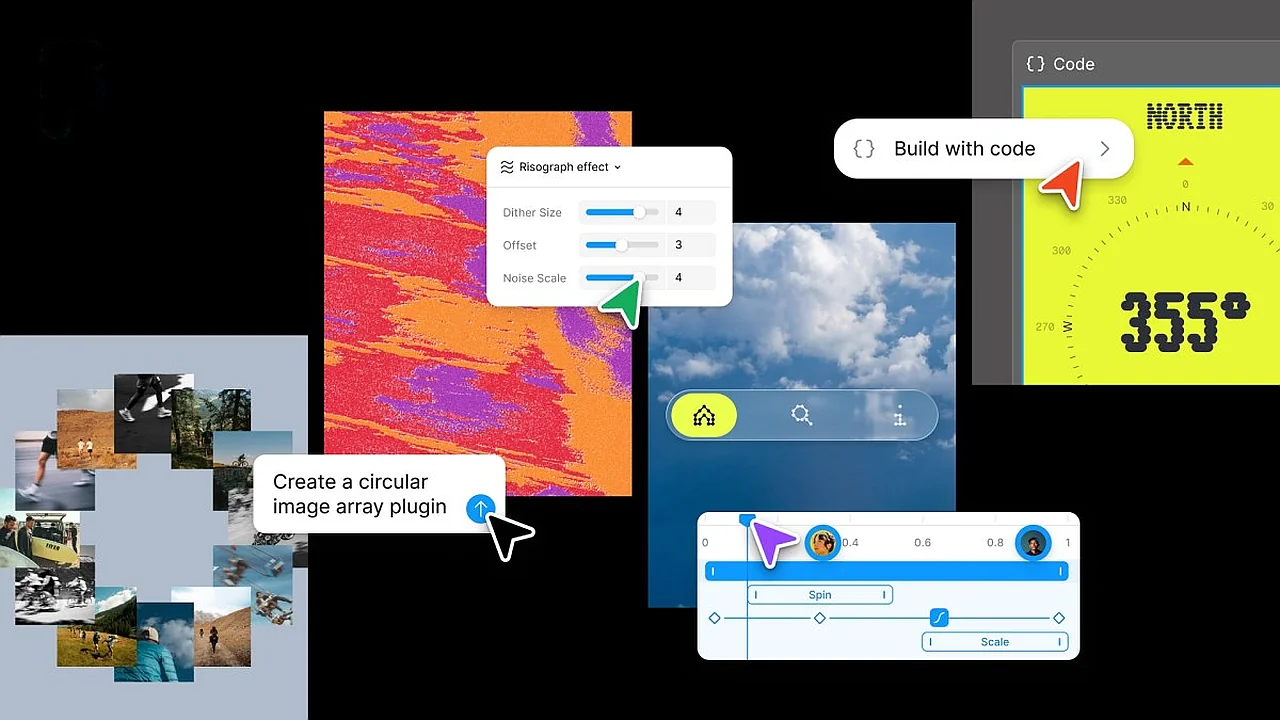
Figma, one of the world's most popular platforms for designers and developers, has announced its next major update. This update is aimed at fundamentally changing the project workflow, introducing code layers, animation tools, and expanded AI-powered utilities. This step is intended to bring the design and coding processes closer together. This is reported by Techcrunch.com report states.
The Figma team has been working on code integration for a long time. While the company established partnerships with systems like Claude Code and Codex last year, code layers have now been added directly to the canvas. This feature allows teams to clone repositories and easily transfer code-derived flows to design layers. According to ixbt.com, this news will significantly accelerate communication between specialists.
Harmony of Design and Code
Figma's Director of Product, Yuhki Yamashita, emphasized that the new code layers will allow designers, product managers, and developers to prototype ideas quickly. According to him, the primary focus here is not on writing perfect production code, but on rapidly exploring new directions. This helps in visually reviewing and discussing various solutions in a team environment.Another important update is the addition of animations, transitions, and 3D transformations. Previously, designers were forced to use external software to create animations and then translate them into code that developers could understand. Now, all animation effects can be created directly within Figma and integrated into the project.
Expanding AI Capabilities
Figma has also significantly improved its AI assistant. Users can now create custom skills that perform repetitive tasks via text prompts. Additionally, the ability to connect external tools such as Notion, Excel, and GitHub or attach files has been added. This provides the AI with additional context to better understand what the user wants.The company has also allowed users to create their own personal plugins using text queries. For example, complex layout generators or vector path tracers can now be created without programming knowledge. This opens the way to customize the platform's capabilities according to each user's needs.
The Weavy tool, acquired by Figma last year, is also being fully integrated into the platform. In the update expected by the end of the year, users will be able to shape Weavy workflows directly within Figma. These updates are also very important for IT specialists and designers in Uzbekistan, as Figma is the primary tool for creating digital products in the local market.



Comments 0
…