


Revolutionary Discovery in Organic Solar Panel Efficiency
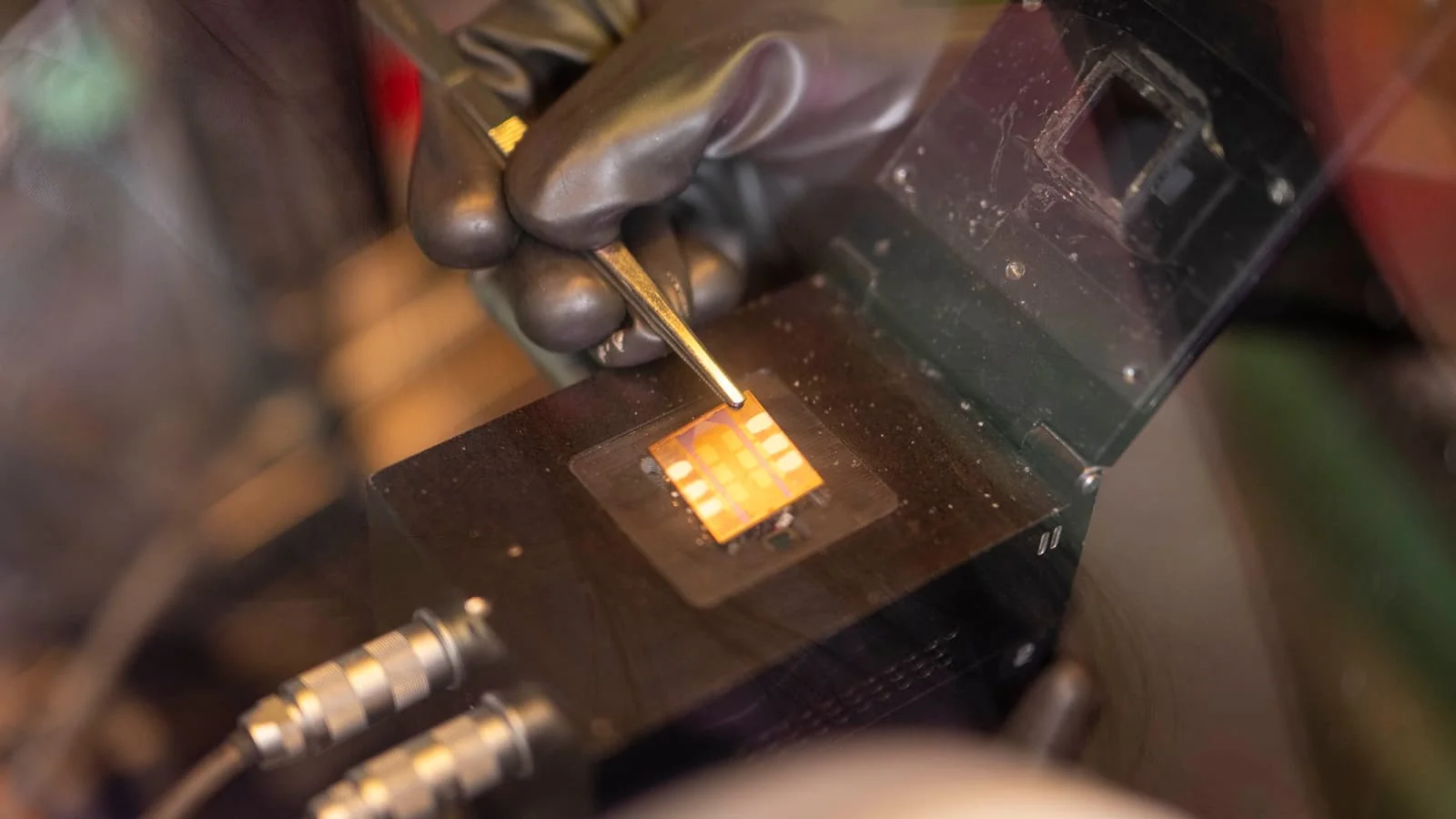
A long-standing problem in the field of solar energy — the conflict between the efficiency and voltage of organic solar panels — has been solved. An international group of scientists has succeeded in identifying a mechanism that could bring this technology to the level of silicon panels. This discovery expands the possibilities for using cheap and flexible energy sources in the future. Ixbt.com reports .
Research conducted by specialists from Sweden, Germany, and the Paul Drude Institute revealed the main flaw of organic solar cells. Today, while these panels are cheap and convenient to produce, their efficiency (COP) lags significantly behind traditional silicon panels. According to Ixbt.com, the main problem was related to the drop in efficiency when voltage was increased.
Excitons and the problem of energy loss
Researchers found that the root of the problem lies in the movement of particles called "excitons." When light hits the material, pairs of electrons and positive charges are formed. For an electric current to form, these pairs must separate from each other. If this process is not fast and efficient, energy is wasted as heat.Scientists found that the "lifetime" of excitons and the energy loss during their separation are the decisive factors. It was proven that by extending the activity time of excitons, a balance between voltage and efficiency can be maintained. This allows the efficiency of organic cells to reach a level higher than 20 percent.
During the experiment, specialists created special new materials and assembled experimental solar panels from them. The results were even better than expected, achieving both high voltage and high efficiency simultaneously. This is a "compromise-free solution" that was previously considered impossible in earlier technologies.
Prospects for the new generation of solar panels
Organic solar panels are distinguished by their lightness and flexibility. They can be installed not only on building roofs but also on clothing, gadget housings, and even windows. The increase in efficiency will accelerate the transition of this technology from laboratories to real life, namely to large-scale production.According to experts, the new discovery could completely transform the solar energy market. Organic alternatives, which are much cheaper than silicon panels, will help lower energy prices and popularize renewable sources. The next step will now be testing this technology on an industrial scale.


Comments 0
…