


Boeing and DARPA Prepare for Aviation Revolution: X-65 Aircraft Takes Flight
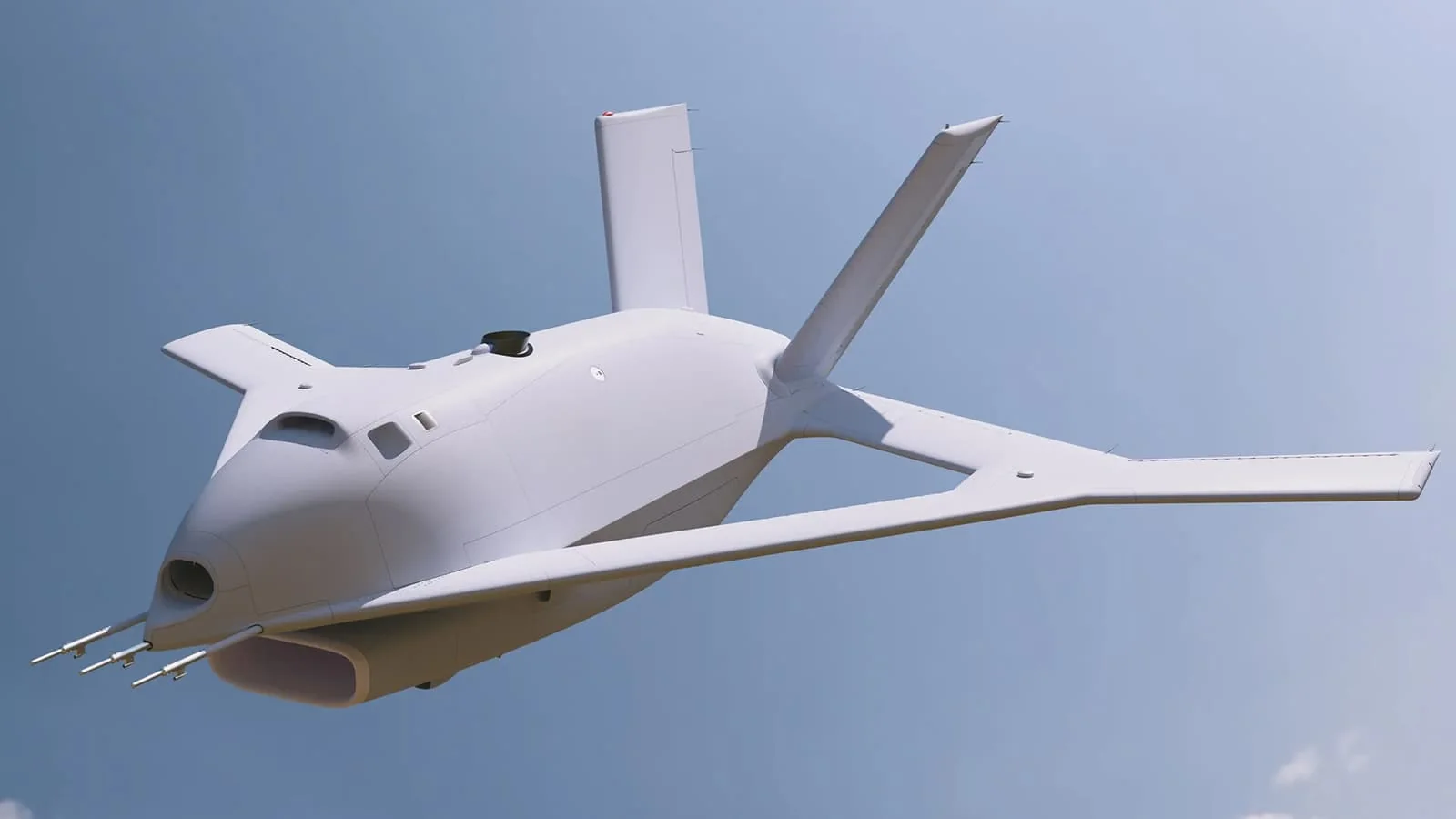
Traditional control systems, which have remained unchanged for decades in the world of aviation, are expected to be replaced by an entirely new technology. Specialists from Aurora Flight Sciences, a subsidiary of Boeing, in cooperation with DARPA, have begun installing wings on the experimental X-65 unmanned vehicle. This project could completely change the way aircraft maneuver in the air. This is reported by Ixbt.com news reports.
The main goal of the X-65 project is to test the Active Flow Control (AFC) technology. According to ixbt.com, this system allows the aircraft to be controlled without traditional mechanical parts, such as ailerons, flaps, or rudders. This solution is expected to create a fundamental breakthrough in aviation engineering.
Control via Airflow
The operating principle of the new technology is very interesting: compressed air is emitted through 14 special nozzles installed on the aircraft's wings. These flows change the aerodynamic pressure around the aircraft, serving to control its direction. This reduces or completely eliminates the need for moving mechanical parts.In the initial testing phases, the X-65 will retain its traditional control surfaces. This allows engineers to compare the new AFC system with classic methods and evaluate its effectiveness in real time. Later, the aircraft is planned to fly using only airflows.
Technical Specifications and Project Future
The X-65 unmanned vehicle has a unique design: it features a diamond-wing configuration, equipped with two vertical fins and one jet engine. The technical parameters of the device are as follows:- Wingspan: approximately 9 meters;
- Maximum takeoff weight: 3.2 tons;
- Number of control nozzles: 14.
Eliminating moving parts significantly reduces the overall weight of the aircraft and improves its aerodynamics. Additionally, the absence of complex mechanical systems simplifies maintenance and increases structural reliability. If the X-65 tests are successfully completed, we may see aircraft that do not 'flap' their wings in the future, not only in military but also in civil aviation.


Comments 0
…