


Conflict between Uber and Waymo: The battle for the future of robotaxis intensifies
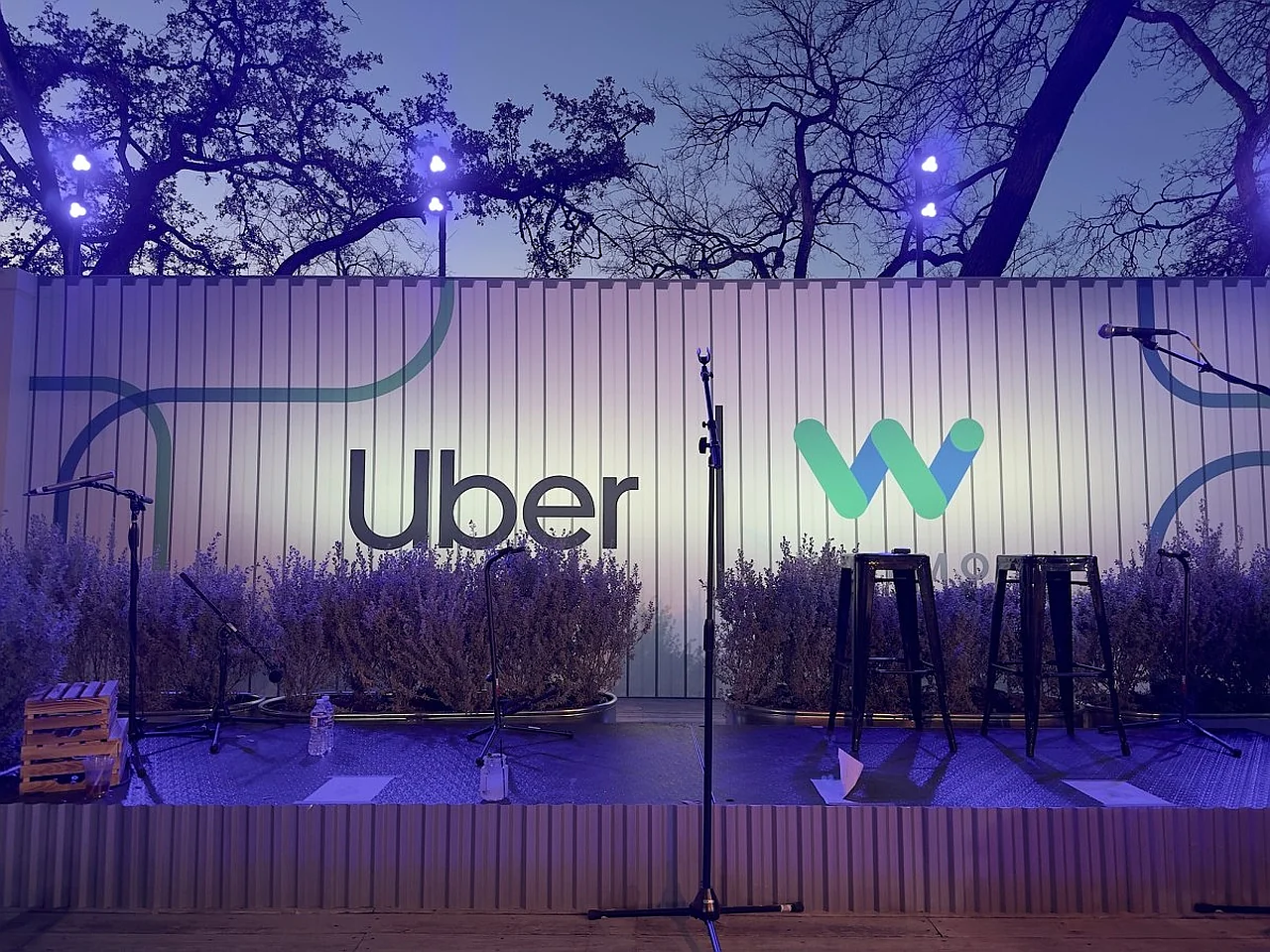
A new bill in Washington, D.C. (USA) that would allow driverless cars to operate has intensified the relationship between Uber and Waymo. Once seen as partners, these tech giants are now taking opposing positions on the regulation of the robotaxi market. This could determine the future role of autonomous vehicles not just in the U.S. capital, but globally. This is reported by Techcrunch.com reports .
According to TechCrunch, Uber is opposing the proposed bill, expressing concern that it would create a de facto monopoly for Waymo, which is owned by Alphabet. Uber representatives argue that the bill would lead to job losses for human drivers and insist that robotaxis should operate on a "hybrid model" that works exclusively in conjunction with human drivers.
Hybrid model and protecting driver interests
Javi Correoso, head of public policy for Uber in the U.S., stated that consumer choice must be preserved in industry regulation. He believes that robotaxis cannot provide the same physical assistance to the elderly or people with disabilities as humans can. Furthermore, statistics suggest that one autonomous vehicle could replace the jobs of approximately four drivers.Under the system proposed by Uber, robotaxis should not operate as a separate network, but rather within existing aggregators like Uber. This could force any robotaxi operator to offer their services through the Uber platform. The company believes this is the only way to prevent traffic congestion and maintain service quality.
Waymo's position and legal requirements
Waymo, for its part, supports the bill. Company representatives state that the new rules will ensure the safe deployment of autonomous vehicles and contribute to the development of public transport. Waymo emphasizes that it does not intend to limit the activities of companies like Uber, but rather that conditions must be created for technological progress.The new bill aims to update the Autonomous Vehicle Act passed in 2012. Currently, companies like Waymo and Zoox can only conduct tests in Washington under the supervision of a safety operator. The new regulations include the following requirements:
- Possession of an insurance policy of at least 5 million dollars;
- Reporting traffic accidents within a timeframe of 8 to 72 hours;
- Paying a tax of 0.15 dollars per mile traveled for robotaxi operators.
A final decision on this bill is expected by the end of the year. This struggle between Uber and Waymo will serve as an important precedent, showing how robotaxis will take shape not only technically but also legally and socially. For developing markets like Uzbekistan, this experience could serve as a key guide for regulating autonomous transport in the future.


Comments 0
…