


AI and Freedom: George Hotz Defends the Right to Use AI for Criminal Purposes
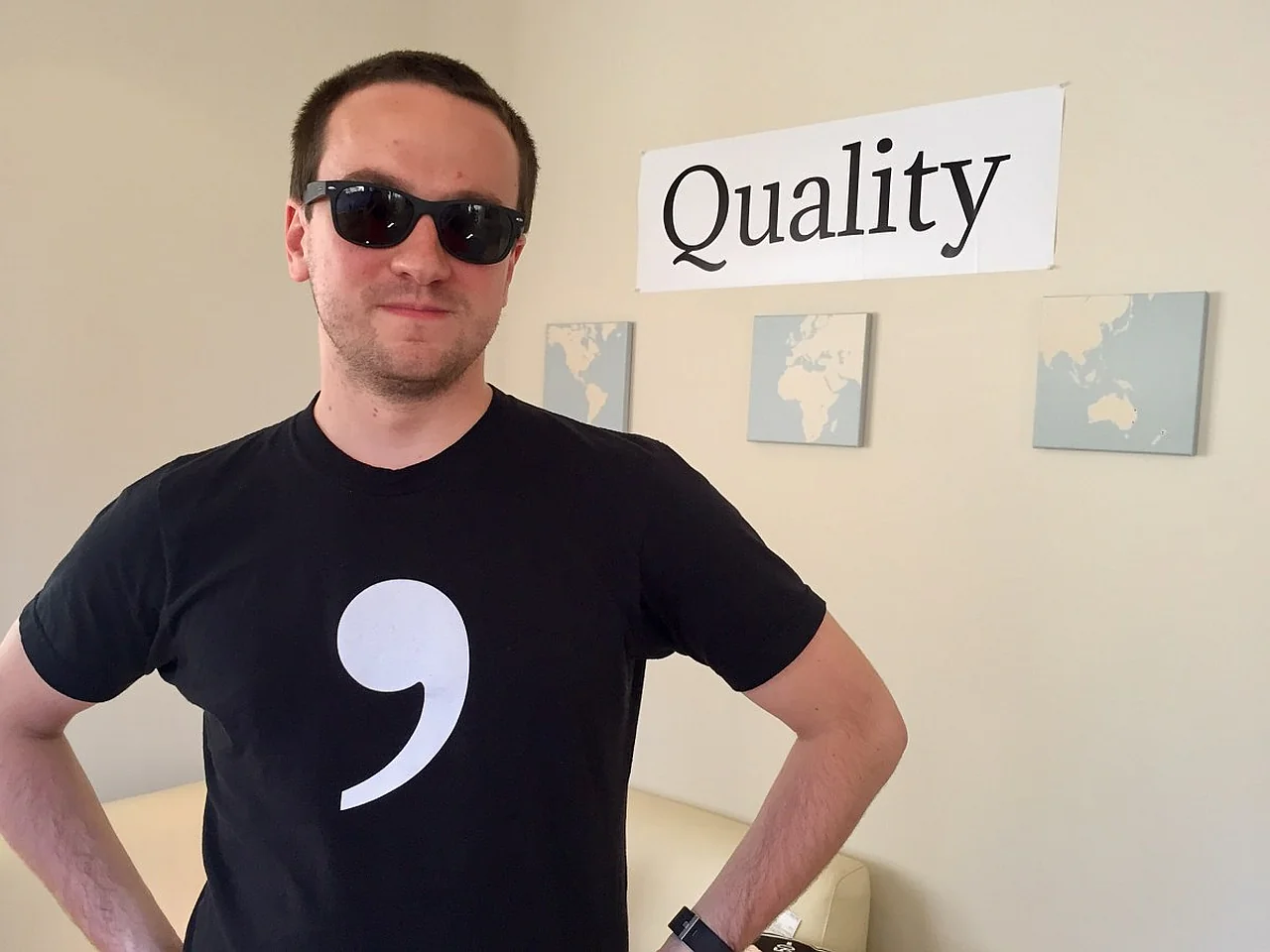
The rapid development of Artificial Intelligence (AI) technologies poses not only technical but also serious ethical and legal questions for humanity. Today, debates among industry experts regarding whether to strictly regulate AI systems or grant them unlimited freedom have reached a new level. In particular, recent statements by renowned programmer and Comma AI founder George Hotz have caused a major stir in the tech community. This is reported by Techcrunch.com reports .
Hotz expressed his strong opposition to the recently published policy paper titled “AI 2040: Plan A.” In this document, researchers proposed slowing down AI development by 14 years for the sake of human safety. However, George Hotz completely rejects this approach, emphasizing that curbing technology contradicts the principles of freedom.
Local Control and User Interests
According to the programmer, the best way to ensure AI safety is to abandon centralized systems. Today, large models like ChatGPT or Claude are controlled by corporations that force their ethical standards onto users. Hotz advocates for every individual to have local AI models that belong to them and serve only their interests.According to this approach, AI should be a tool, just like a personal computer or a weapon. In his provocative statement, Hotz argues that AI should execute any user command, even if it is unethical or illegal. He believes that a truly “free” AI should not resist its owner, even when planning a crime.
Ethical Boundaries and Public Safety
According to an analysis by The Verge, these views of Hotz could pose a significant threat to society. If AI is used as an assistant to manufacture prohibited substances or commit serious crimes, it will lead to the breakdown of social order. The author notes that when releasing any technological product to the mass market, not only user freedom but also the safety of others must be taken into account.George Hotz has stated that he is even willing to die to defend this principle. For him, the world must either have complete freedom or live under strict control. However, critics argue that the concept of “freedom” does not grant the right to infringe upon the lives of others, otherwise society would turn into a place of “AI-powered Napoleons.”
For now, ChatGPT and similar popular services operate based on strict filters and ethical constraints. But as technology becomes cheaper, as Hotz suggests, the opportunity for every individual to have their own personal and “unrestricted” AI will emerge. This will undoubtedly create new challenges for maintaining the rule of law in the future.


Comments 0
…