


India Nears First Human Spaceflight: Gaganyaan Systems Successfully Tested
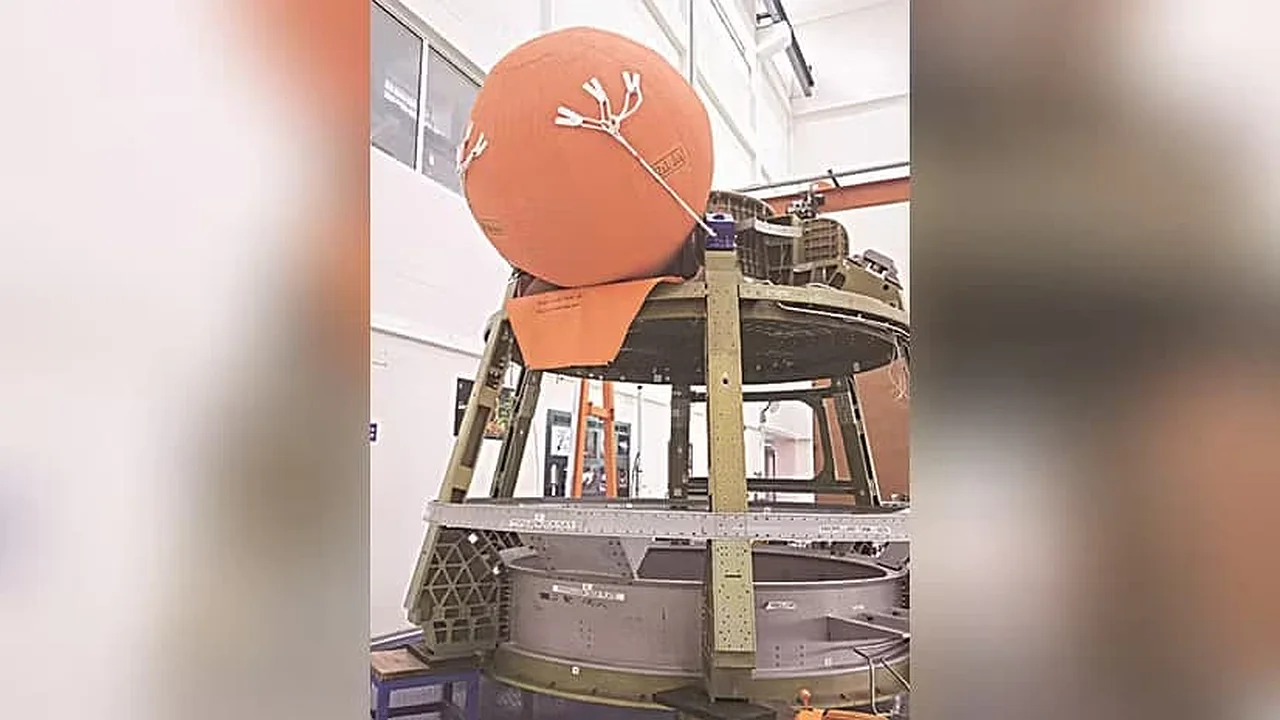
The Indian Space Research Organisation (ISRO) has completed critical tests for the Gaganyaan program, the country's first crewed space mission in history. These tests included three key mechanisms ensuring the safety of the crew module upon its return to Earth. This success marks one of the most significant steps toward India's goal of independently launching its own astronauts into space. This is reported by Ixbt.com reports .
The first phase of the tests focused on verifying the system that ensures the crew module remains in the correct orientation on the water surface after splashing down in the ocean. This mechanism, known as the Crew Module Uprighting System (CMUS), is based on balloons filled with compressed cold gas. It guarantees that the capsule returning from space does not capsize and remains in a safe position for the astronauts until the rescue team arrives.
ISRO specialists conducted a full inspection of the high-pressure balloons, control valves, and inflatable elements. According to ixbt.com, during the test, the gas balloons deployed successfully and inflated the floating elements to the required level. This practically proved the capsule's ability to maintain stable balance on the water surface.
Module Separation and Protection Systems
The second critical test was dedicated to the separation mechanism between the crew module and the service module. The service module provides energy and propulsion for the spacecraft, but it must safely detach from the living compartment before entering Earth's atmosphere. Experts verified the operation of the CSU-1 and CSU-2 connection elements, confirming that the separation process occurs in the specified sequence without damaging the hull.In the third phase, the crew module's upper protective cover — the Apex Cover system — was tested. This cover protects the parachute system from external influences during flight. After entering the atmosphere, it is vital for this cover to detach accurately and on time so that the braking parachutes can deploy. The tests recorded flawless operation of this mechanism as well.
The Gaganyaan program is not only a technological achievement for India but also a symbol of national pride. If the project is completed successfully, India will become the fourth country after the USA, Russia, and China to independently launch humans into space. Currently, ISRO specialists are analyzing all collected data and continuing preparations for the final flight.
These tests once again demonstrated that returning safely from space is a much more complex process than launching into it. Each process, such as the capsule's splashdown, module separation, and parachute deployment, requires precision measured in seconds. By successfully passing these stages, Indian engineers have brought the project's reliability to a new level.


Comments 0
…