


Xiaomi Reaches a New Level of Safety: Non-Flammable and Overheat-Resistant Power Bank
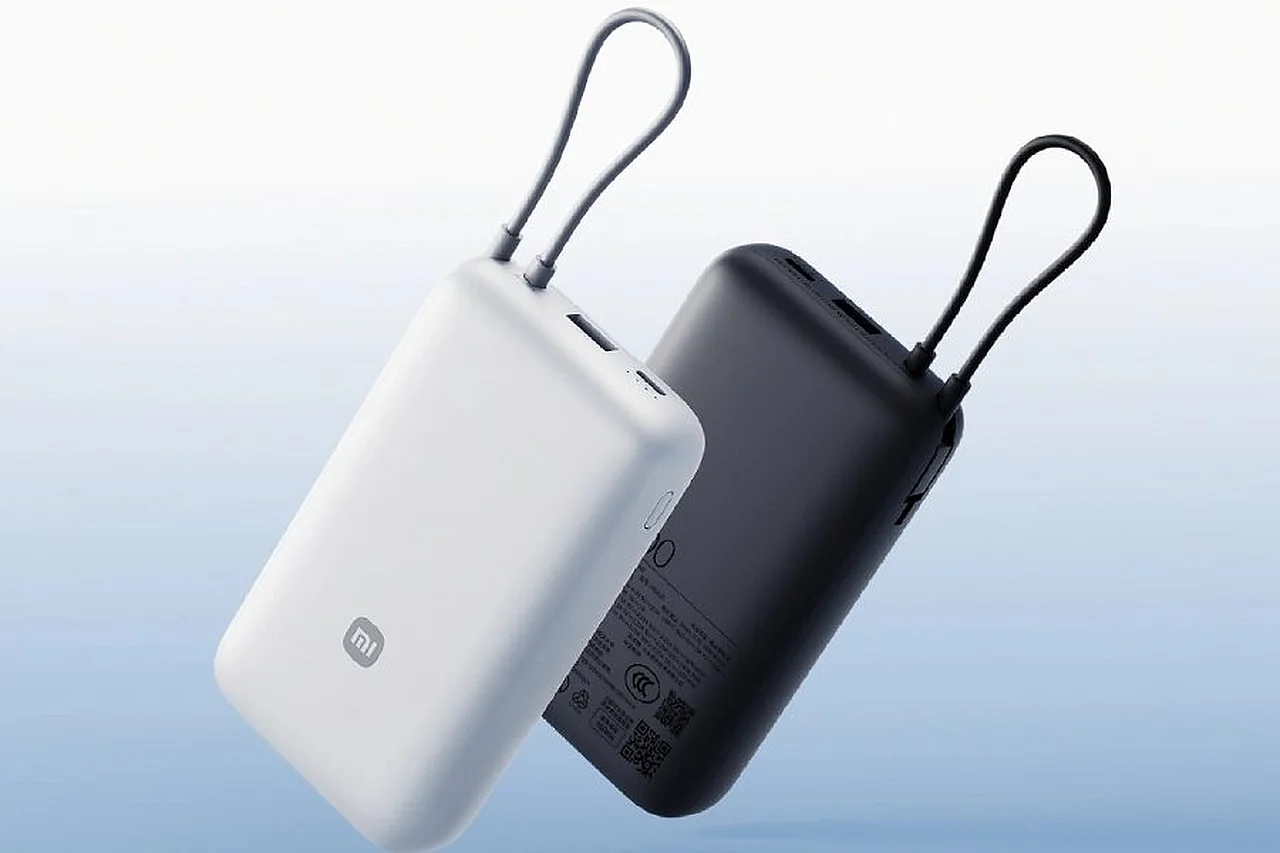
Chinese tech giant Xiaomi has introduced a revolutionary innovation in the portable power bank market. The company has unveiled its first next-generation power bank that meets high safety standards. This device is distinguished by its ability to avoid catching fire or exploding, even under extreme conditions. This is reported by Ixbt.com reports .
Named Xiaomi Power Bank 20000 22.5W, this model is the first product to fully comply with the new national safety standard introduced for portable power banks in China. According to Ixbt.com, the new gadget will be available in Chinese markets starting July 22 at a price of approximately 22 USD (149 yuan).
The main feature of the device lies in its internal structure: instead of one large battery, engineers used two separate batteries, each with a capacity of 10,000 mAh. This approach not only improves power distribution but also significantly increases the overall safety level of the device. The power bank, with a total capacity of 20,000 mAh, supports 22.5 W charging.
Extreme tests and durability
To prove the reliability of this model, Xiaomi subjected it to a series of rigorous tests. The manufacturer states that the battery casing does not catch fire even when pierced with a 4 mm diameter needle. Although this is considered one of the most dangerous scenarios for lithium-ion batteries, the new technology has eliminated such a risk.In addition, the device has successfully passed the following tests:
- Stable operation under high temperatures up to 135 °C;
- Overcharging with power 1.3 times higher than the normal voltage;
- Compression under pressure of approximately 1.3 tons;
- Long-term usage (wear) test consisting of 300 cycles.
Through smart management functions, users can check the current status of the battery and receive information about battery health. Such innovations strengthen the position of Xiaomi products as a reliable brand that is not only affordable but also meets international safety requirements.


Comments 0
…