


Thinking Machines, the startup founded by Mira Murati, unveils its first open AI model
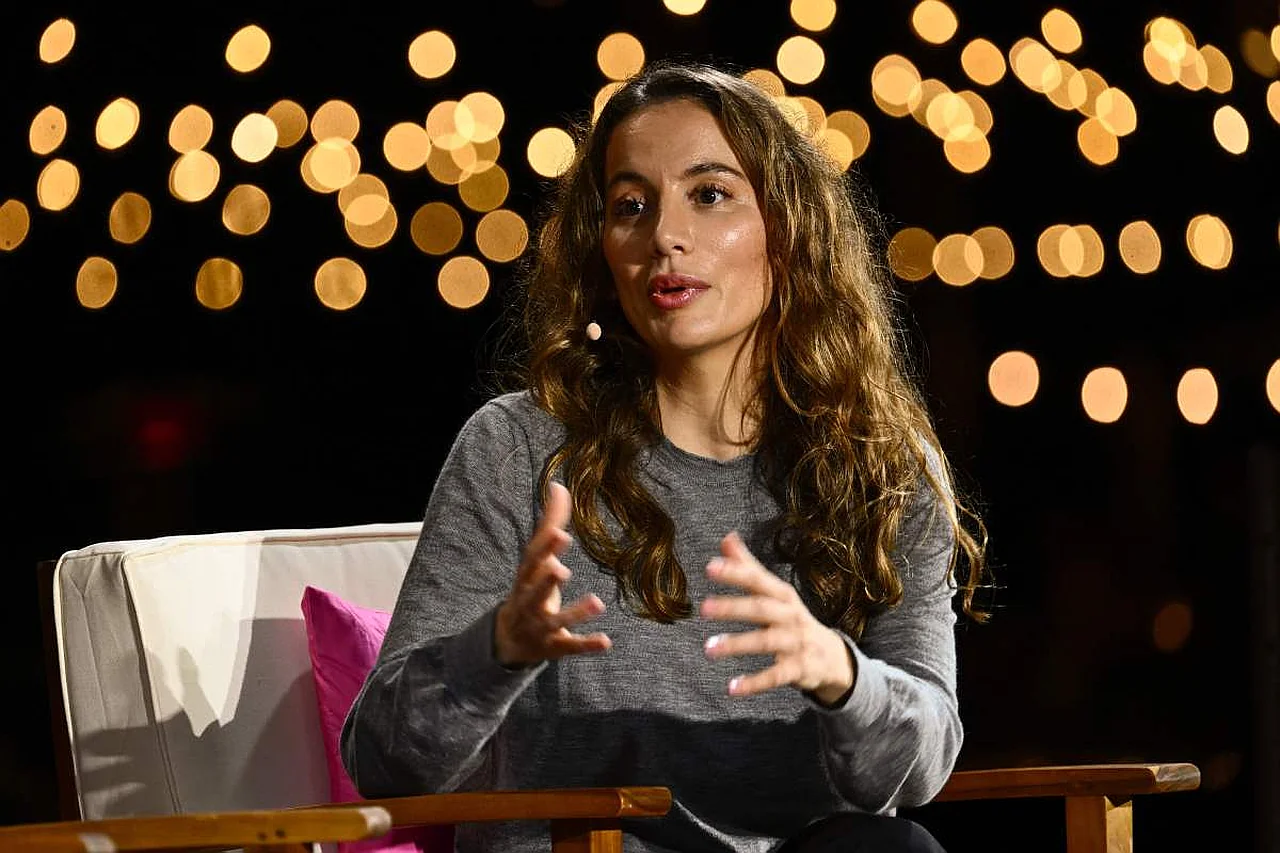
Thinking Machines Lab, a startup founded by former OpenAI CTO Mira Murati, has publicly announced its first private AI model, the Inkling platform. Unlike closed systems from giants like OpenAI, Anthropic, or Google, Inkling is an open-weight model. This allows external developers and companies to download the model directly and customize it to their specific needs. This is reported by Techcrunch.com reports .
The Inkling model is based on a "mixture-of-experts" architecture and has a total of 975 billion parameters. However, to increase system efficiency and reduce costs, only a portion of these parameters — approximately 41 billion — are activated for each specific task. The model was trained on 45 trillion tokens of text, image, audio, and video data, and possesses natural analysis capabilities across all four modalities.
Flexibility and unique capabilities
At this stage, Inkling can only provide text-based outputs, including programming code and structured data. Thinking Machines Lab is marketing this model not as a "finished product," but as a "starting point" for enterprises to build upon. The company's core philosophy is that AI systems tailored to an organization's specific requirements offer higher efficiency than "one-size-fits-all" models provided by centralized laboratories.One of the unique features of the Inkling model is that the user can adjust the "thinking effort" themselves. If speed is critical, the user can reduce the model's deep reasoning process, or conversely, increase it for complex tasks to improve accuracy. Additionally, the model has the ability to openly express its uncertainty instead of guessing in ambiguous situations.
Market competition and strategic importance
According to ixbt.com, Thinking Machines is not claiming its product is the most powerful model on the market. Company representatives openly admit that Inkling is not the most powerful model available today, focusing instead on its versatility and adaptability. For example, in programming tests, Inkling achieved the same results as NVIDIA's Nemotron 3 Ultra model while consuming three times fewer resources.This approach aligns with sentiments expressed by Microsoft CEO Satya Nadella. Nadella recently noted that enterprises using closed AI models are effectively "paying twice": first for the subscription, and second by handing over their confidential business data to improve the model. Open models like Inkling allow enterprises to maintain full control over their data.
In conclusion, the team led by Mira Murati is not competing with general-purpose chatbots like ChatGPT, Claude, or Gemini, but rather targeting the professional and corporate segment. This may also be of interest to large organizations and software developers in Uzbekistan, as Inkling serves as a solid foundation for creating localized and task-specific private models.


Comments 0
…