


New generation flying robot to be sent to the International Space Station
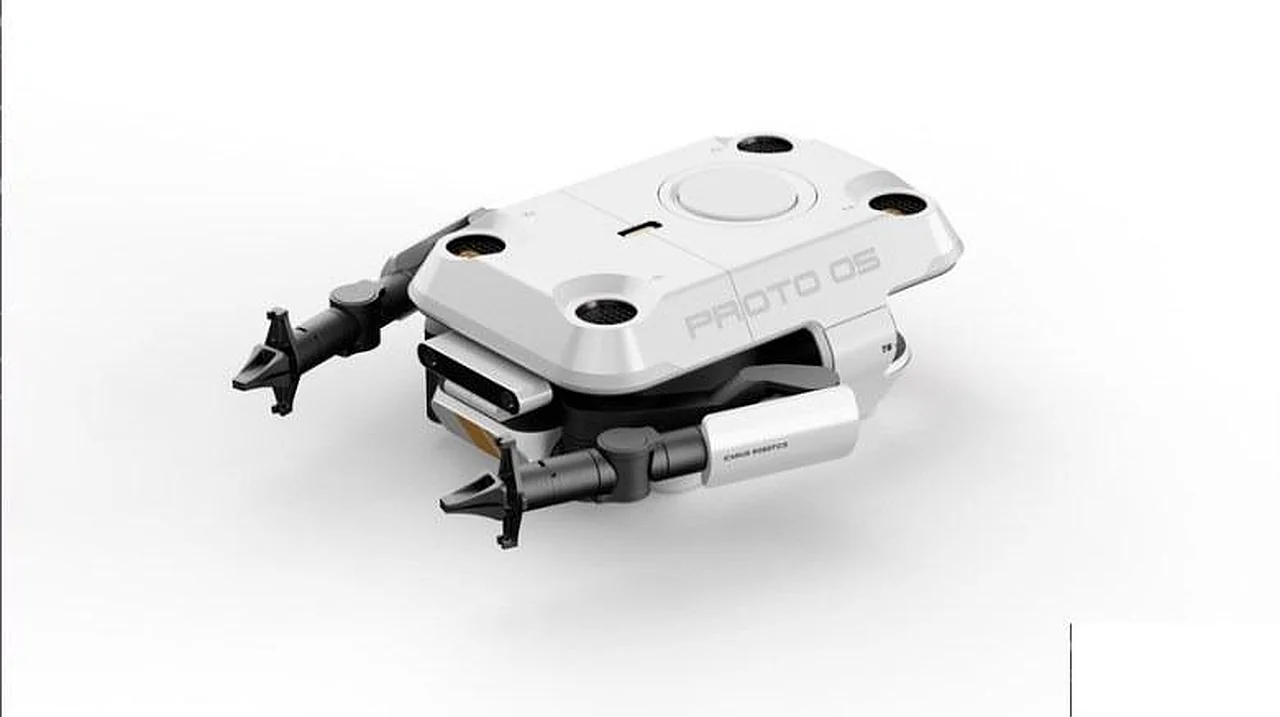
A new step is being taken in space exploration and easing human labor on orbital stations. The American startup Icarus Robotics plans to send an autonomous flying platform named Joy to the International Space Station (ISS) in early 2027. This project aims to expand robotics capabilities in space while requiring a new approach to safety issues. This is reported by Ixbt.com reports .
This robot, which will fly as part of the Joyride-1 mission, is designed to move independently inside the station, perform maneuvers, and assist crew members with daily tasks. According to IXBT.com, KULR Technology Group has been selected as the primary partner for the project, providing the robot with high-tech batteries.
Highest level of safety
Energy sources for devices operating in closed and confined environments like a space station must meet extremely strict requirements. Unlike ordinary satellites, robots inside human-inhabited modules must reduce the risk of fire or explosion to zero. Icarus Robotics CEO Ethan Barajas noted that developing such systems is a much more complex and expensive process than traditional batteries.The KULR One Space (K1S) battery systems powering the robot are designed to meet all safety standards set by NASA. KULR CEO Michael Mo stated that these batteries will be customized specifically for the size, shape, and power consumption profile of the Joy robot. It is worth noting that this technology has already been tested during the Artemis II mission and has proven its reliability.
Future space infrastructure
According to Icarus Robotics CTO Jamie Palmer, more autonomous electromechanical systems will be required to develop infrastructure in orbit, and in the future, on the Moon and Mars. This includes not only assistant robots but also complex devices that perform assembly, maintenance, and inspection tasks.Due to the impossibility of manual maintenance for many systems in space, robots capable of operating without human intervention will be of critical importance. Robots like Joy are expected to perform the following tasks in the future:
- Monitoring the environment inside the station;
- Delivering necessary tools for the crew;
- Remote diagnostics of equipment;
- Taking rapid measures in emergency situations.


Comments 0
…