


Aviation Revolution: CFM is testing an engine that reduces aircraft fuel consumption by 20 percent
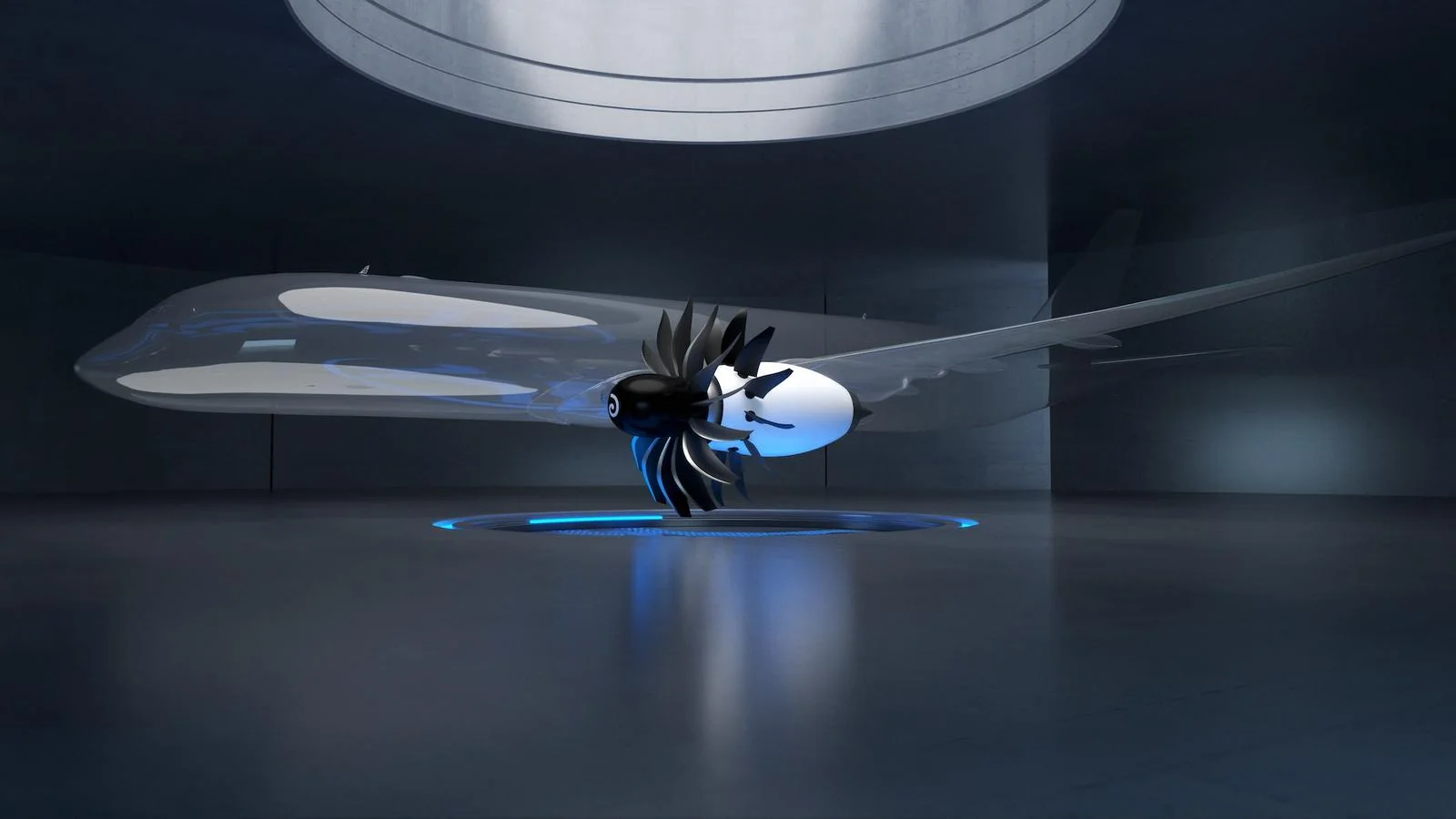
A major breakthrough in fuel efficiency and environmental sustainability is expected in the aviation industry. CFM International, a joint venture between GE Aerospace and Safran Aircraft Engines, has begun full-scale testing of an engine based on Open Fan technology as part of its next-generation RISE (Revolutionary Innovation for Sustainable Engines) program. This innovative development will significantly reduce fuel consumption in modern aircraft. This is reported by Ixbt.com reports.
The key innovation within the project is the Open Fan, or open rotor design. Unlike conventional aviation engines, this system eliminates the external nacelle. This allows for a significant increase in fan size without increasing the overall engine weight. According to Ixbt.com, a larger fan moves more air and generates higher thrust with lower acceleration, which dramatically increases efficiency.
Efficiency and environmental performance
According to CFM's estimates, this configuration can reduce fuel consumption by more than 20 percent compared to the most advanced engines currently in use. This not only lowers costs for airlines but also reduces carbon dioxide emissions by the same amount. As the global push for a green economy and carbon neutrality intensifies, this technology is crucial for the future of aviation.At the current stage, engineers are testing full-scale elements of the Open Fan system under conditions close to real flight. The tests simulate extreme scenarios such as bird strikes, icing, and the ingestion of dust or foreign particles. These processes demonstrate how well the design meets international aviation safety requirements.
A step towards the future
The RISE program was introduced in 2021, and more than 2,000 engineers are currently working on it. Research conducted at a specialized 8-meter test stand in Villaroche, France, is already yielding positive results. For example, the high-speed low-pressure turbine, a key part of the system, has successfully operated for over 1,000 hours.The main advantages of the new technology include:
- Reduction in fuel consumption by more than 20 percent;
- Reduction of CO2 emissions into the atmosphere;
- Optimization of structural weight;
- High efficiency for narrow-body aircraft.


Comments 0
…