


Brain-controlled robots unveiled in China
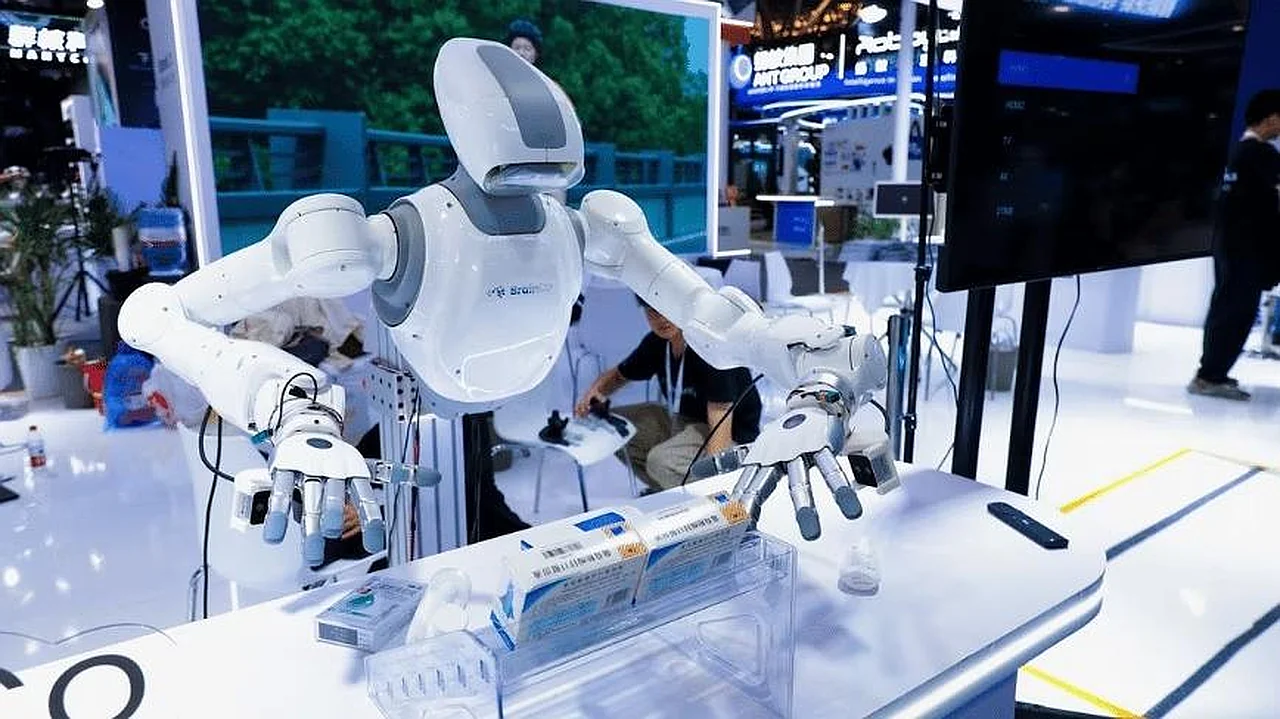
China's BrainCo has taken a revolutionary step in the world of robotics by unveiling a new platform that allows machines to be controlled using human thought. Presented at the World Artificial Intelligence Conference (WAIC) in Shanghai, this system aims to bridge the gap between the human brain and technology. This is reported by Ixbt.com reports .
Named the Brain-Controlled Robot AI Platform, this system operates via a special EEG headset. The user does not need to press any buttons, give voice commands, or perform physical movements; simply forming a specific intention in the mind is sufficient. The robot immediately receives these thoughts and executes the corresponding action.
According to ixbt.com, the system's operation process consists of three main stages. First, the electroencephalography headset reads brain signals. Then, AI analyzes these signals to determine the human's intent (e.g., "pick up an object"). In the final stage, this intent is converted into a digital command understandable by the robot.
Speed and broad capabilities
BrainCo experts state that less than 200 milliseconds pass from the moment brain signals are sent until the robot moves. During the exhibition, a robotic arm demonstrated the ability to successfully perform complex tasks such as picking up a glass and lifting an apple using human thought.A unique aspect of the new platform is its compatibility with various types of robots. These include:
- Humanoid robots;
- Industrial manipulators;
- Quadruped robot dogs.
BrainCo has been working on brain-computer interfaces (BCI) since 2015. Previously, the company was known for medical rehabilitation technologies such as prosthetics controlled by nerve and muscle signals. Now, this experience is being transferred to the field of robotics, which opens new horizons for both individuals with disabilities and high-precision industrial work in the future.


Comments 0
…