


Google is developing the new Frozen v2 processor: Gemini will be integrated directly into the chip
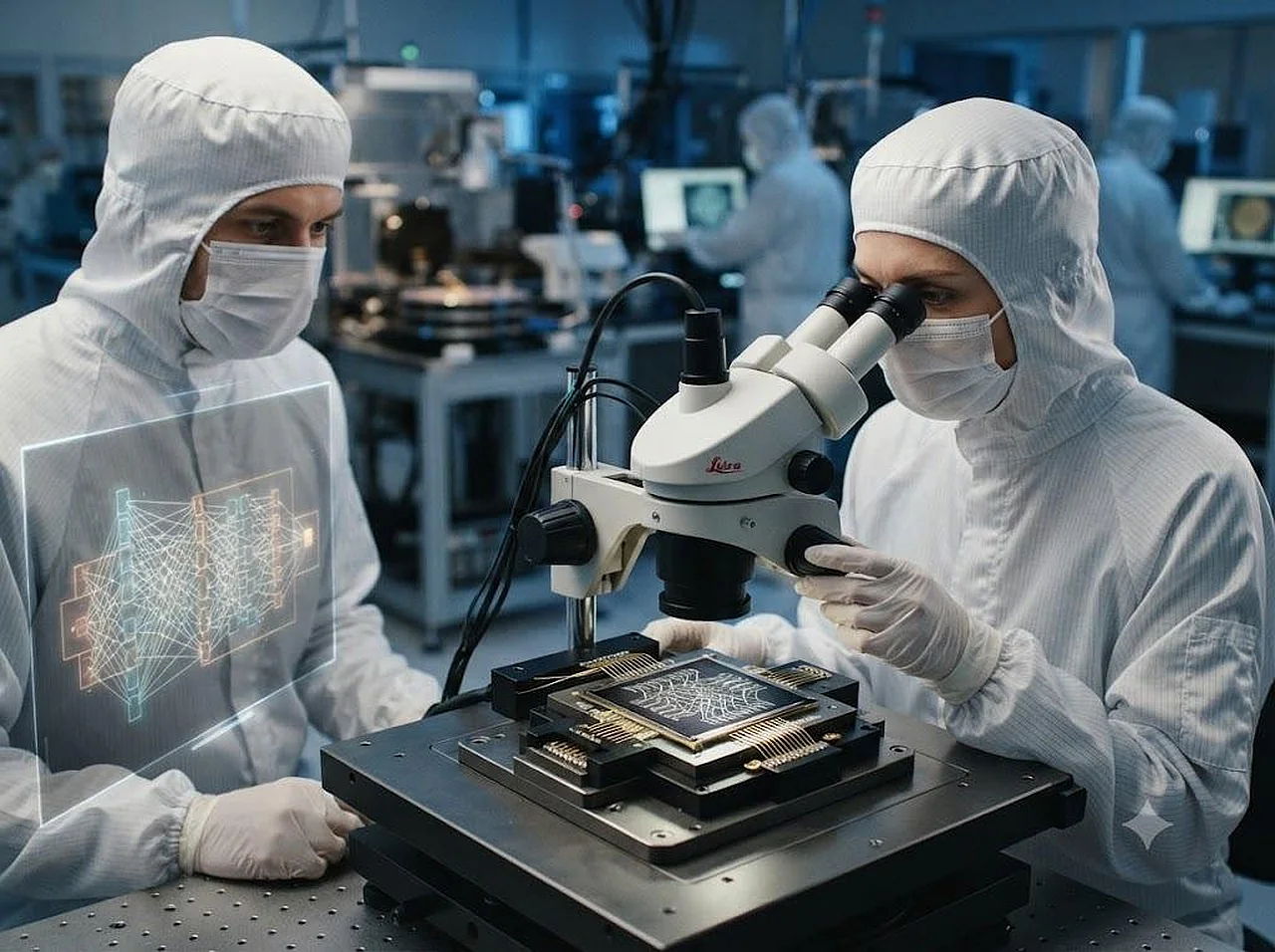
Google is planning a revolutionary step to drastically increase the efficiency of AI technologies. The company is working on a specialized server chip called Frozen v2, which integrates the Gemini neural network directly into the processor architecture. This approach is expected to increase AI performance by up to 10 times compared to current metrics. This is reported by Ixbt.com reports .
According to The Information, the uniqueness of the new processor lies in the fact that the Gemini model is not loaded from memory but becomes an integral part of the chip. Currently, AI accelerators are universal, where the model is stored in memory and the processor constantly exchanges data with it during operation. In the Frozen v2 project, the neural network structure is "hardwired into the silicon."
Energy efficiency and technical capabilities
Such a design allows for an increase in energy efficiency by 6 to 10 times. For Google, this means significantly reducing the costs of serving billions of requests. The new chip will be capable of processing significantly more tokens per unit of energy consumed compared to current TPU (Tensor Processing Unit) accelerators.It is worth noting that Frozen v2 will not completely replace existing processors but will be developed as a separate product line that complements them. Only the "weights" of the model, i.e., the parameters obtained during the training process, can be updated on the chip, while its core architecture remains unchanged. This ensures maximum optimization for a specific model.
Resource scarcity and future prospects
One of the main reasons Google is undertaking this project is the shortage of computing power. Currently, the demand for Google Cloud resources is so high that the company is forced to refuse service to some external clients. High-performance chips allow more tasks to be performed with fewer servers, which could positively impact the price and speed of services for regions using global cloud services.However, this technology also carries specific risks. At a time when the AI field is developing rapidly, a hardware-level locked architecture could easily become obsolete by the time the chip is ready (around 2028). Nevertheless, startups like Taalas are working on similar "locked" chips, indicating that a new trend is emerging in the industry.
So far, Google has not officially confirmed this project, limiting itself to stating that it is experimenting with high-performance computing solutions. If Frozen v2 is successfully implemented, it could usher in a new era for AI infrastructure.


Comments 0
…