


Microsoft integrates China's Kimi K3 model into Copilot to reduce costs
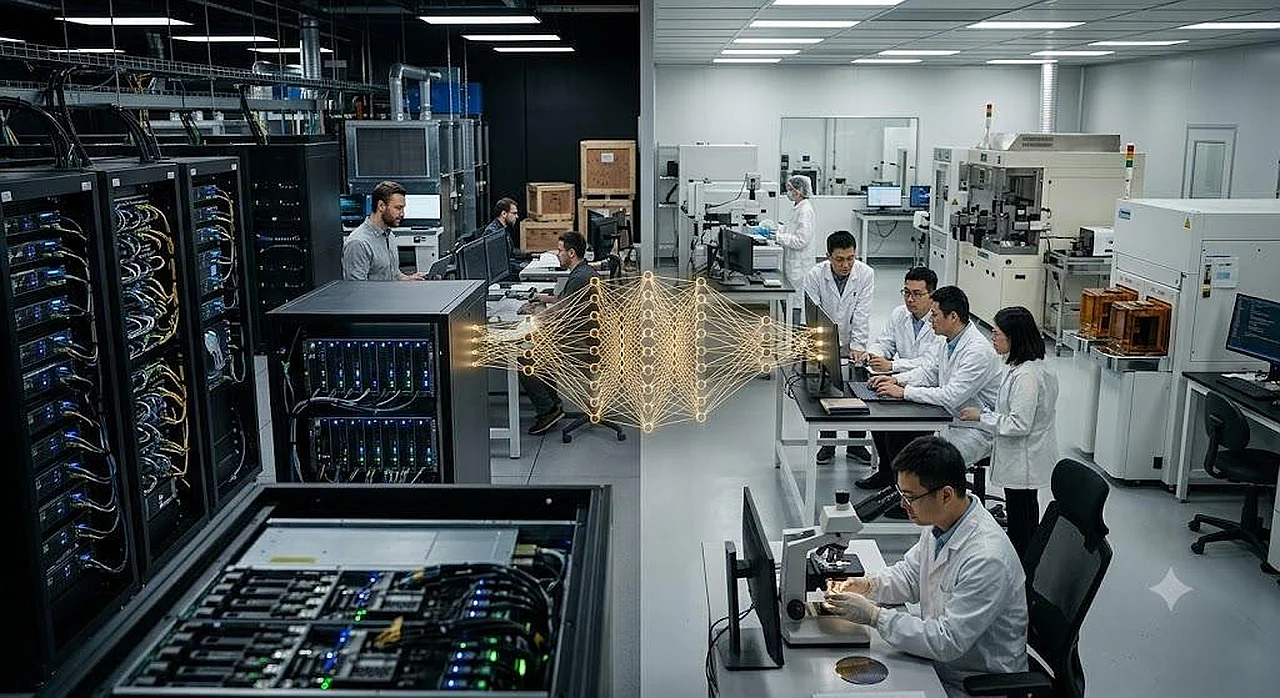
Amid escalating technological tensions between the US and China, Microsoft is taking an unexpected step to reduce the costs of its AI services. The company is considering shifting part of its Copilot services away from OpenAI and Anthropic models to the open-source Kimi K3 model, developed by China's Moonshot AI. This is reported by Ixbt.com reports .
According to The Information, Microsoft plans to save nearly $600 million in computing power costs through this change. Specialists are currently actively working on running the Kimi K3 model via the Azure cloud platform. This move is directly related to the Copilot Cowork service transitioning to a pay-per-token model.
Cost-efficiency and technical capabilities
For Microsoft, switching to cheaper models is not just a financial gain, but a means to ensure service stability. The Kimi K3 model features 2.8 trillion parameters and supports a context window of nearly 1 million tokens. Its unique architecture allows for efficient load distribution across GPUs, reducing memory resource demands in data centers.Interestingly, Kimi K3 is not the cheapest model on the market. According to Intelligence Index tests, the cost per task averages $0.94. However, optimizations in its architecture make it competitive when used at the scale of large data centers. Microsoft had previously considered other Chinese models like DeepSeek V4, signaling a diversification strategy.
Political barriers and security issues
This collaboration is taking place against the backdrop of the US administration's intentions to tighten restrictions on Chinese technologies. The Donald Trump administration is considering measures to restrict the use of open-source AI models developed in China. Additionally, the US Department of Commerce is exploring the possibility of adding several Chinese laboratories to a "blacklist."This news is also significant for users and local developers in Uzbekistan. A decrease in the cost of Microsoft services could lead to more affordable AI-based products in the future. However, there is also a risk that restrictions arising from the geopolitical situation could lead to a fragmentation of the global technological ecosystem.
In conclusion, the potential partnership between Microsoft and Moonshot is a clear example of how tech giants are seeking a balance between economic efficiency and national security requirements. If the project is successfully implemented, it will further increase the influence of Chinese developments in the AI market.


Comments 0
…