


Major Milestone Reached for Kronos MMR Micro-Nuclear Reactor Project in the USA
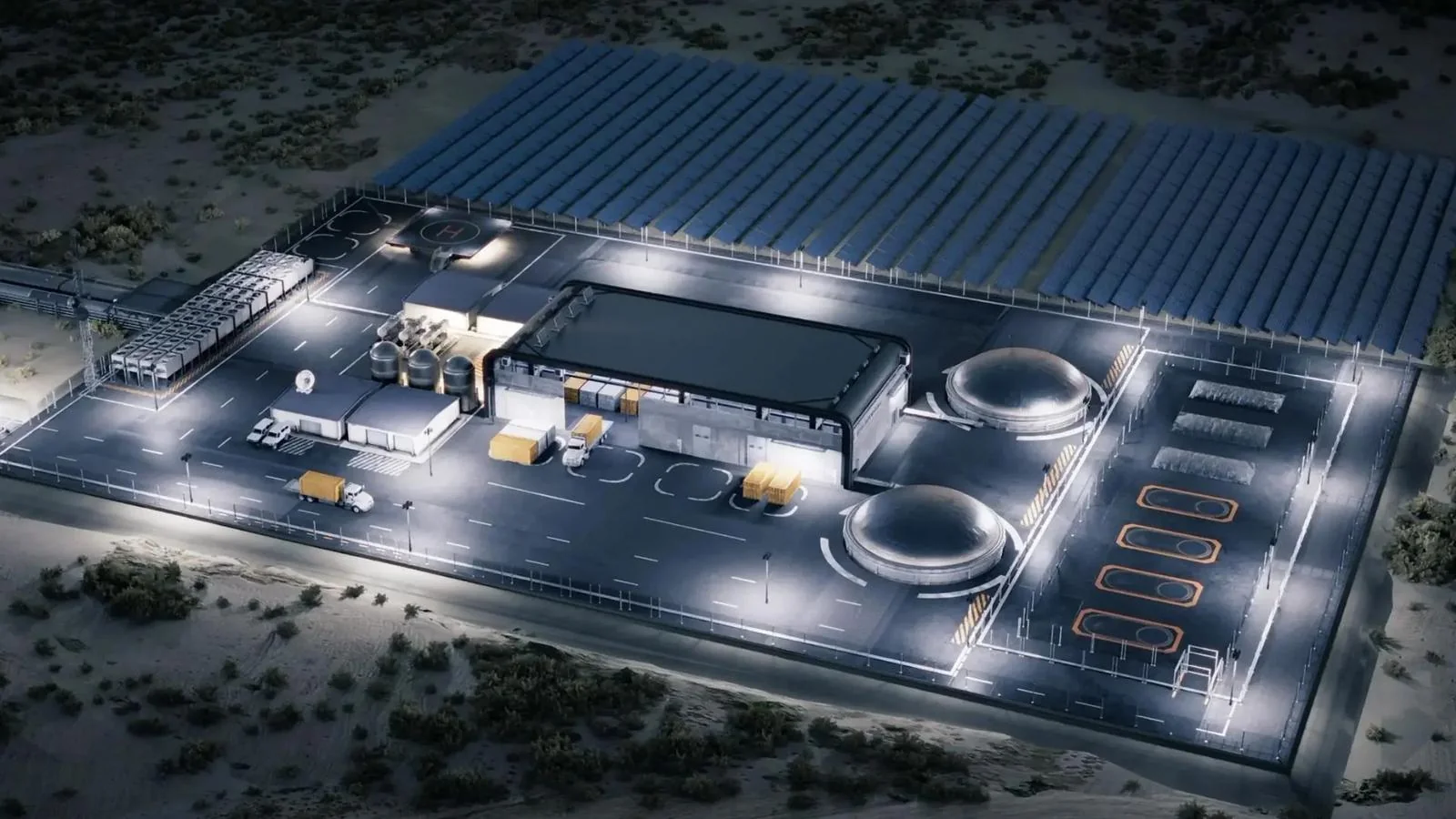
The US-based company NANO Nuclear Energy has achieved a significant breakthrough in the development of the Kronos MMR, a revolutionary micro-nuclear reactor in the energy sector. In partnership with the engineering firm Fortil, the company has completed the conceptual design phase for one of the most critical components: the nuclear fuel storage and handling system. This innovation marks a serious step toward the commercialization of small-scale nuclear energy. This is reported by Ixbt.com reports .
This system is responsible for the safe transport, storage, and loading of nuclear fuel throughout the reactor's entire operational life. According to ixbt.com, a multidisciplinary team of experts in mechanics, automation, systems engineering, radiation shielding, and nuclear safety worked on the project. During the conceptual phase, the overall system architecture was defined and coordinated with other components.
Safety and Technological Superiority
The Kronos MMR is a high-temperature, gas-cooled stationary microreactor distinguished by its minimal carbon dioxide emissions. Such technologies are particularly useful for providing stable energy to remote regions, industrial facilities, and military bases. Moving to the new phase allows engineers to proceed with detailed design and equipment specification.NANO Nuclear Energy is not limited to this project alone. The company's portfolio also includes the Zeus portable microreactor and the Loki MMR designed for space exploration. Such developments are expected to meet the demand for autonomous energy sources not only on Earth but also in future space missions.
Licensing and Future Plans
The company is currently undergoing the process of obtaining the necessary licenses in the USA. Earlier this year, the US Nuclear Regulatory Commission (NRC) accepted an application for the construction of the first Kronos MMR reactor on the campus of the University of Illinois. This creates a great opportunity to test the new technology in an academic environment.If all approval processes proceed as expected without delays, construction of the demonstration reactor is scheduled to begin in the second half of 2027. This could be an interesting experience for countries striving for energy security, as small modular reactors can be built faster and at a lower cost than large nuclear power plants.
The shift of nuclear energy toward such compact forms will undoubtedly play a decisive role in the fight against global climate change and the transition to a sustainable green economy. The success of this project in the USA will provide momentum for the development of the microreactor market worldwide.


Comments 0
…