


Scientists identify the type of meteorite that wiped out the dinosaurs: it turned out to be rarer than expected
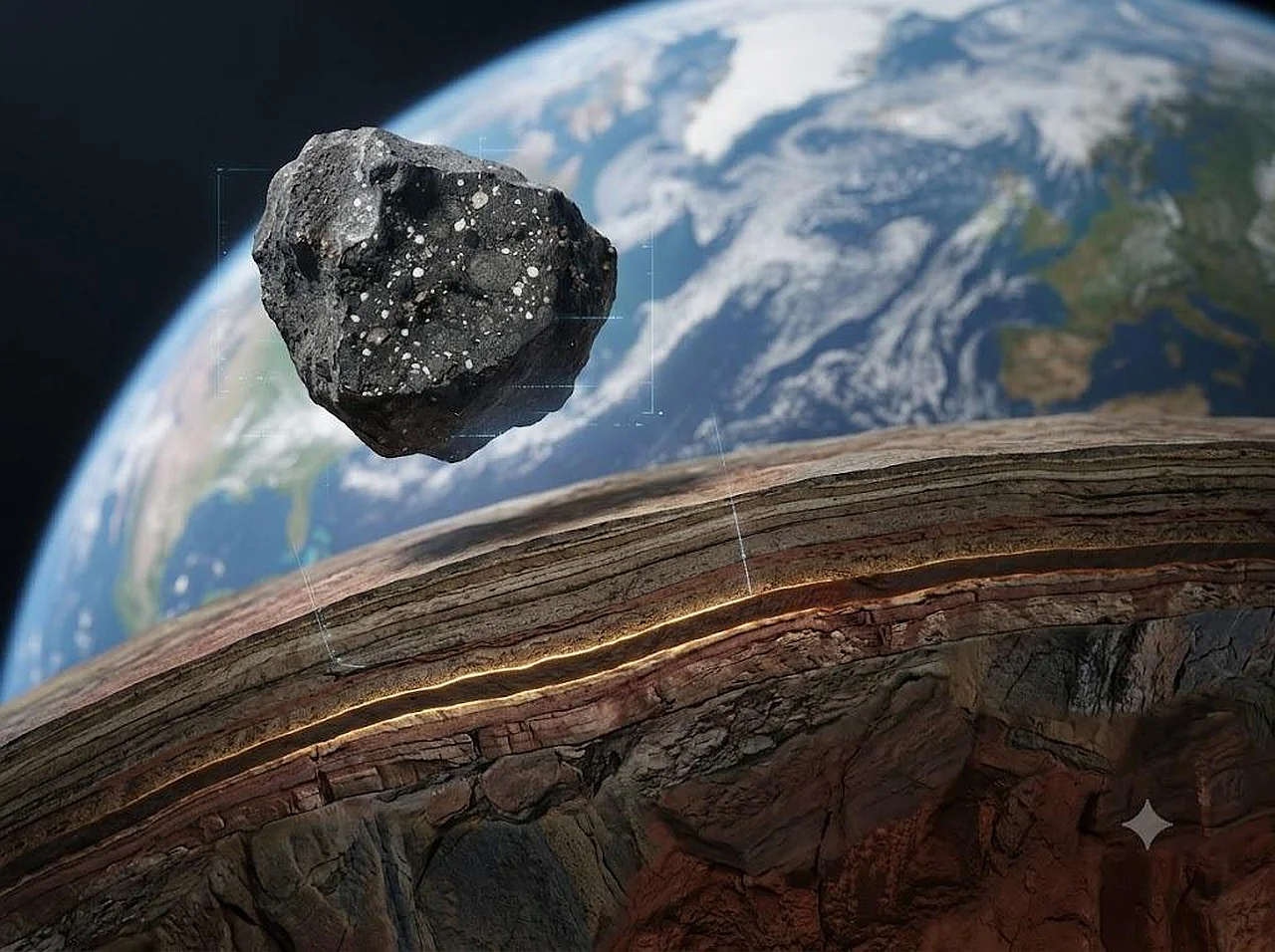
The cause of the catastrophe 66 million years ago, which wiped out nearly 75 percent of life on Earth, including the dinosaurs, has finally been identified. New analyses by an international team of researchers show that the celestial body that struck our planet was one of the rarest types of meteorite — a CO (Ornans) class carbonaceous chondrite. This was reported by Ixbt.com reports it.
To reach this conclusion, scientists studied nickel isotopes in the thin layer of clay formed after the collision at the end of the Cretaceous period. Although the meteorite itself vaporized completely upon impact, its microscopic "chemical fingerprints" remained. The research results were published by the ixbt.com outlet.
A rare and ancient object
Carbonaceous chondrites make up only 5 percent of all meteorites found on Earth. The CO class is a very small fraction of this group. Such objects are considered samples of the most ancient matter, having remained almost unchanged since the formation of the Solar System.Scientists note that this discovery slightly changes the understanding of the global extinction mechanism. CO-class meteorites contain significantly fewer volatile elements, such as sulfur, carbon, zinc, and water, compared to other types. This indicates that the primary factor causing global cooling was not the substances brought by the cosmic body, but the massive amount of dust and debris ejected into the atmosphere as a result of the impact.
Chicxulub crater and the depths of space
The origin of this asteroid is still unclear, but scientists are putting forward two hypotheses. It may have formed in the outer part of the asteroid belt near Jupiter or in more distant regions of the Solar System.According to modern calculations, this massive rock, 10–15 kilometers in diameter, struck Earth at a speed of 64,000 kilometers per hour. This collision created the Chicxulub crater, which is hidden today beneath the Yucatán Peninsula in Mexico.
While this study does not change the general picture of the dinosaur extinction, it has determined with high precision exactly which type of cosmic "guest" caused one of the greatest tragedies in Earth's history. This helps us better understand our planet's past and the potential threats that may come from space.


Comments 0
…