


Waymo and Uber Partnership Ending: A New Era Begins in the Robotaxi Market
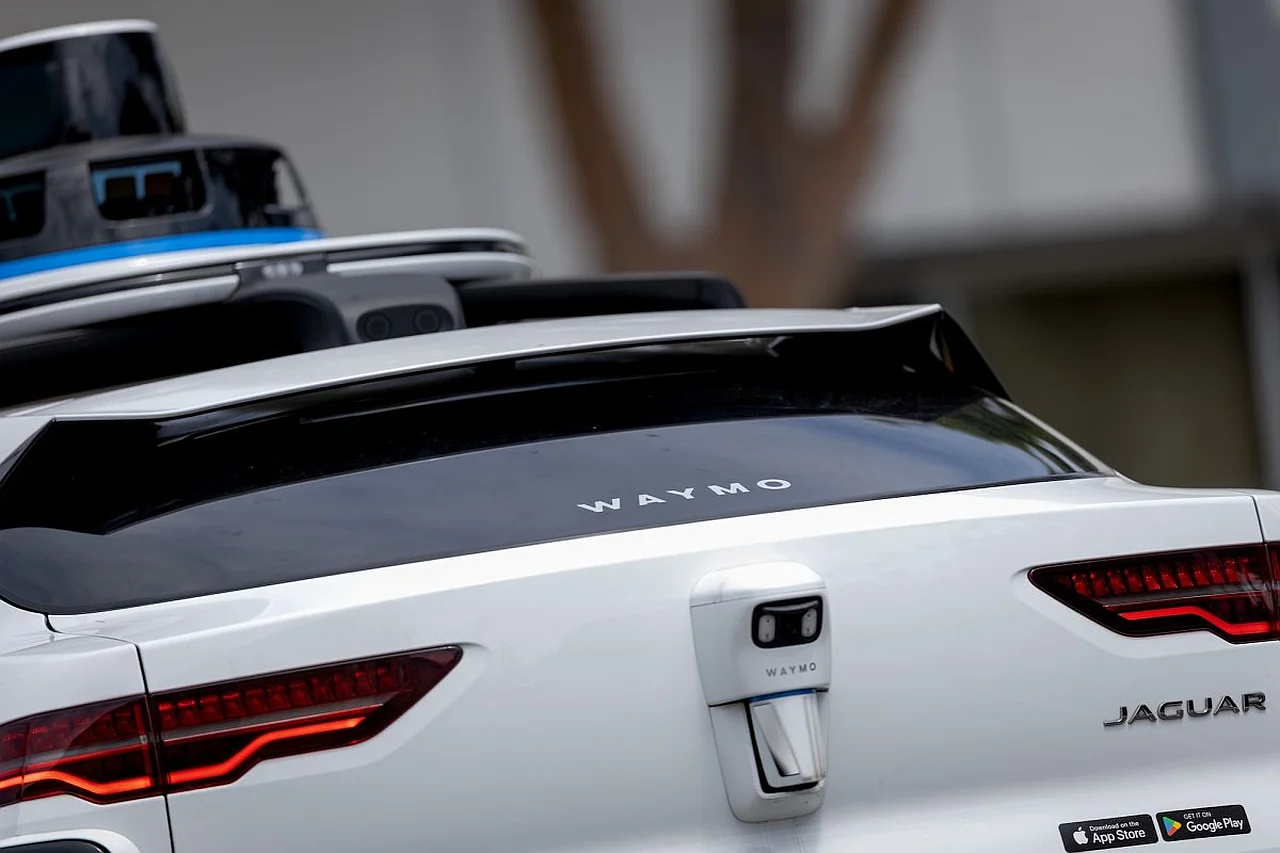
Waymo, a leader in autonomous driving technologies, plans to cut ties with the Uber platform. The brand, part of Alphabet (Google's parent company), is shifting toward a strategy of offering its robotaxis to customers independently rather than through third-party apps. Techcrunch.com reported this, citing its sources. reports .
Currently, under the agreement between Waymo and Uber, driverless taxi services in Austin and Atlanta operate via the Uber app. However, Waymo management aims to expand service through its own proprietary app in these regions starting January 2028. Uber representatives confirmed to TechCrunch in an interview that the current contract will end in May 2028.
Conflicts and Intensifying Competition
Relations between the two tech giants have cooled significantly in recent months. This is driven not only by business interests, but also by open criticism regarding technical safety. Specifically, Uber CTO Praveen Neppalli posted a video on social media showing a Waymo robotaxi's "scary" and dangerous behavior on the road, criticizing system flaws.Additionally, during an earnings call, Uber CEO Dara Khosrowshahi criticized the behavior of certain autonomous vehicles in school zones and emergency situations without mentioning Waymo by name. Such statements indicate that long-time partners in the industry are now viewing each other as primary rivals.
The separation process between Waymo and Uber actually began earlier this year in Phoenix, where the companies stopped cooperating and transitioned to independent operations. Now, this trend is spreading to other major US states. By creating its own ecosystem, Waymo wants to keep all revenues and fully control the customer experience.
The two companies are also taking opposing positions in the political arena. In discussions of new bills and regulations for robotaxi governance, Waymo and Uber often oppose each other within different lobbying groups. This means that a fierce competitive environment, rather than unified standards, will form in the autonomous transport market of the future.
For Uzbek users, such news may currently feel like a distant future, but global tech trends show how fast changes in the transportation sector are happening. The shift of companies like Waymo to independent platforms could lead to future taxi services operating not only without drivers, but also based on the closed ecosystems of major tech corporations.


Comments 0
…