


Revolutionary Flash Memory Operating on a Single Electron Created in China
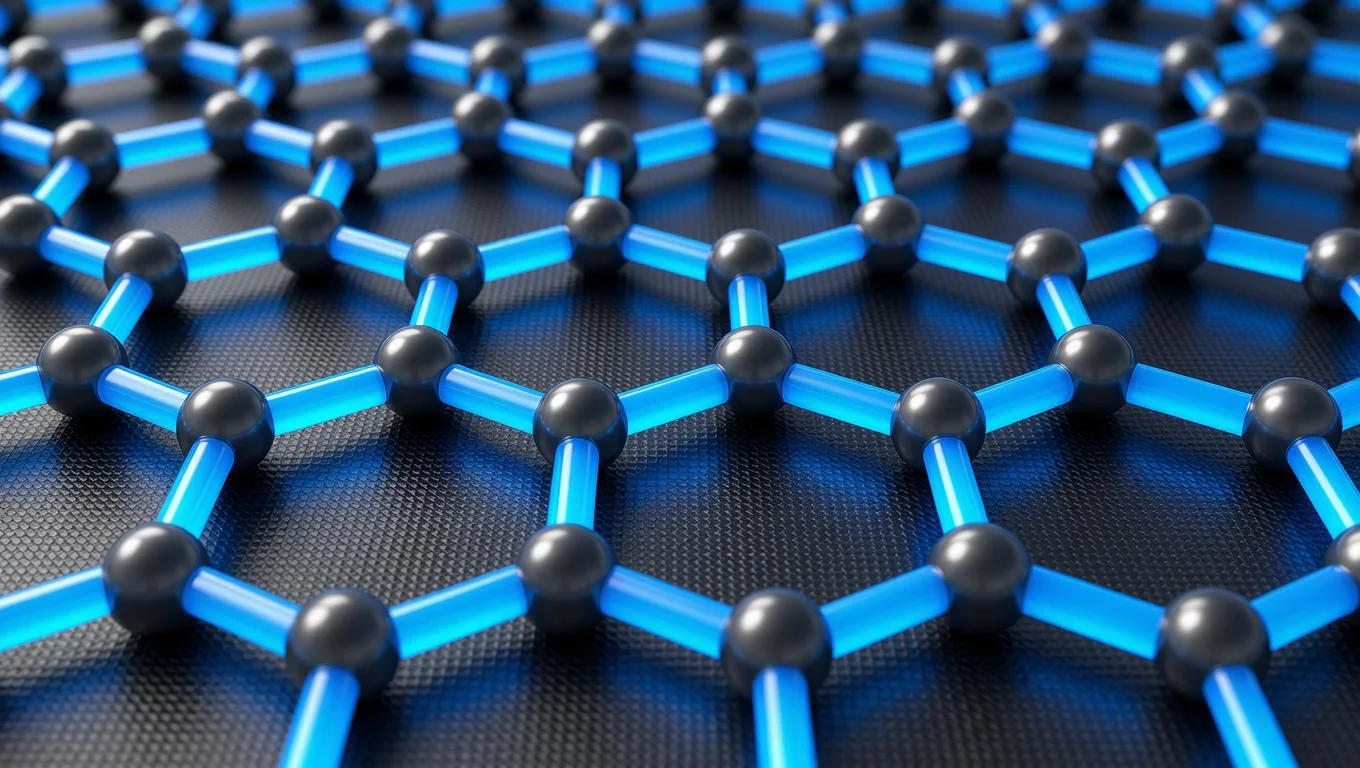
Scientists at Fudan University in China have unveiled a new generation of experimental flash memory expected to be a true breakthrough in the world of electronics. The unique feature of this technology is that it uses just a single electron to store data. If this development moves beyond laboratory walls, it could dramatically reduce the energy consumption of modern gadgets. This was reported by Ixbt.com, reports .
Currently, approximately 200,000 electrons are required on microcircuits to reliably store a single bit of data. Such a large quantity is necessary to protect data from various disturbances and accidental loss. However, Chinese researchers have proposed a completely new approach in this regard.
New Graphene-Based Structure
Scientists have managed to create a two-dimensional structure based on graphene. This structure not only allows trapping a single electron but also significantly amplifies its electrical signal. According to ixbt.com, during experiments, the signal amplitude reached approximately 0.5 Volts. This indicator is several times higher than similar experimental developments.The new technology was named "Guiyi" (Return to One). The authors note that this name was inspired by the Buddhist philosophy metaphor about a tiny mustard seed being able to contain an entire mountain. Thus, researchers are promoting the idea of storing vast amounts of data using minimal physical carriers.
Commercialization and Future Plans
According to project leader and microelectronics professor Zhou Peng, a company focused on commercializing this development is planned to be established by the end of this year. Based on the scientist's calculations, the first devices operating on the new type of memory could hit the market in about five years.This research is a continuation of the team's previous successful projects. In 2025, they introduced a zero-power memory called PoX, and later developed the Changying platform, which allows integrating two-dimensional memory elements with traditional silicon microchips.
For now, Guiyi remains only a laboratory sample. Before introducing it to mass production, scientists must solve a series of complex tasks. These include:
- Establishing mass industrial-scale production of such chips;
- Proving the reliability of the memory during long-term use;
- Ensuring stability under real operating conditions.


Comments 0
…