


Artificial Intelligence Surpasses Nature in Gene Editing: A Revolution in the CRISPR System
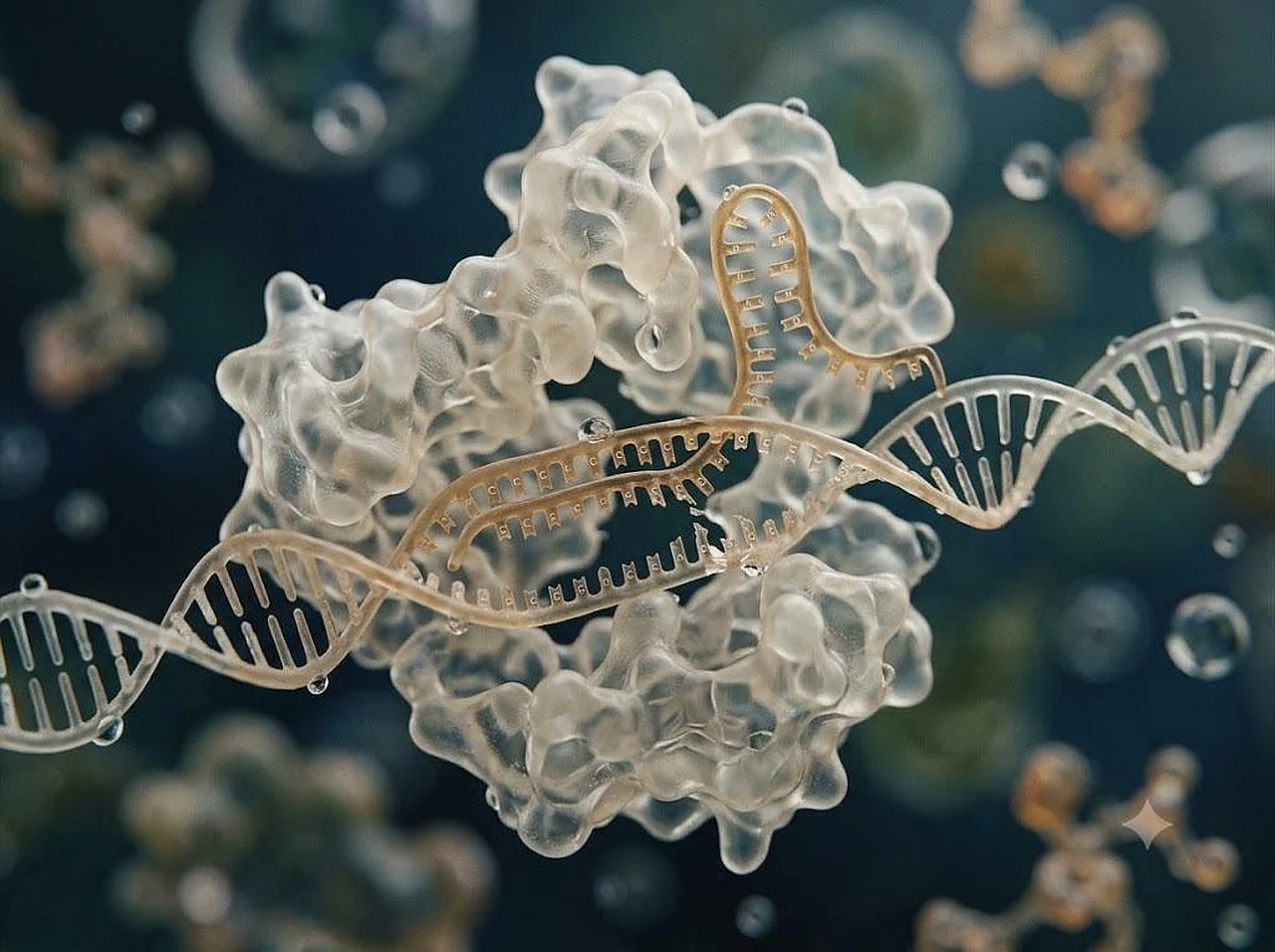
A massive turning point has occurred at the intersection of modern science and technology: synthetic proteins created with the help of artificial intelligence (AI) have shown more effective results in gene editing than natural enzymes. The results of the study published in the journal Science allow humanity to break free from the limitations of nature's evolution in altering DNA structure. According to Ixbt.com reports .
Scientists from the University of California, Berkeley, led by 2020 Nobel Prize laureate Jennifer Doudna, participated in this project. Using AI models, the researchers managed to design completely new, synthetic enzymes for the CRISPR system. In the future, this technology will open unprecedented opportunities in medicine and agriculture for treating genetic diseases and increasing crop yields.
Beyond the Boundaries of Evolution
Traditional CRISPR systems rely on enzymes derived from bacteria, such as Cas9 and Cas12. In nature, these proteins serve to protect bacteria from viruses. However, manually improving them in laboratory conditions is an extremely complex process, and any minor change could cause the enzyme to fail. AI has accelerated this process a thousandfold.The scientists focused on synthetic versions of the TnpB enzyme, which is considered the ancestor of the Cas12 protein. Using special algorithms, the amino acid sequences of the proteins were processed, granting them new properties. As a result, thousands of synthetic variants named SynTnpB were created. According to ixbt.com, these artificial enzymes not only turned out to be functional, but were also proven to be more active than their natural analogs in bacterial, plant, and human cells.
Technology of a New Era
As noted by Soeren Lienkamp, a molecular biologist at the University of Zurich, if CRISPR technology made DNA editing accessible to everyone, designing proteins using AI allows endowing molecules with entirely new properties. This means humanity is no longer limited to the tools provided by nature.Analyses conducted using cryo-electron microscopy showed that proteins created by artificial intelligence further stabilized the interactions between DNA and RNA. This reduces the probability of errors and increases precision during the gene cutting and repairing process.
This discovery ushers in a new era in genetic engineering. Now scientists will be able to "custom-create" proteins that do not exist in nature but are necessary for human health. This method will serve to create safer and more effective solutions in eliminating genetic defects.


Comments 0
…