


The Expansion of the US-Iran War and Saudi Arabia's Geopolitical Trap
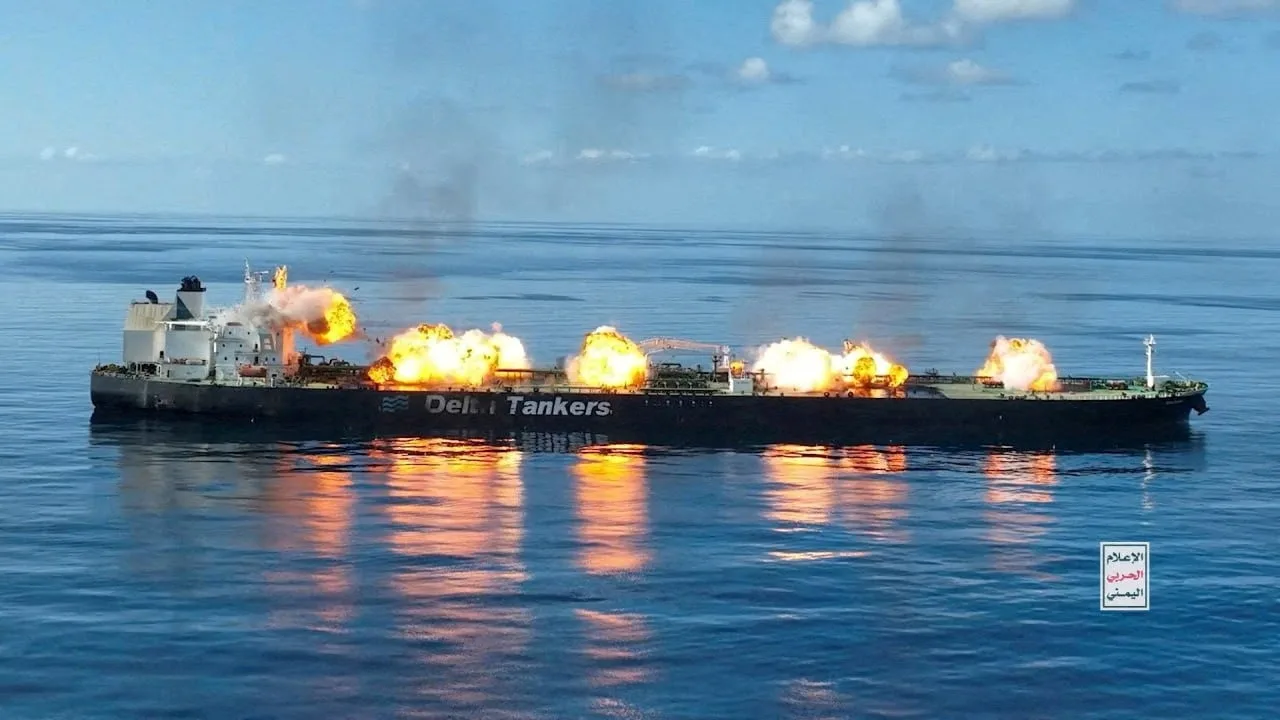
Tensions in the Bab-el-Mandeb and Hormuz straits are shaking the global energy market. Source: Houthi Military Media / via REUTERS.
The escalation between the US and Iran in the Middle East has entered a dangerous phase. Washington lacks a clear war strategy and a final 'victory project' in the region—the main goal of US strikes is to punish, intimidate, and force Tehran to accept its terms. However, Iran does not intend to retreat and is striving to respond to Washington in kind.
Zamin.uz A new stage of the US-Iran confrontation, the oil crisis, and Saudi Arabia provides a comprehensive analysis of the geostrategic conflicts being faced.
1. Strike in Bab-el-Mandeb: The Houthis have fully entered the war
Against the backdrop of tensions between the US and Iran, one of Tehran's largest allies in the region—the 'Ansar Allah' (Houthi) movement in Yemen—has fully joined the war.
Attacks on tankers: Recently, the Houthis struck two Saudi Arabian oil tankers in the Bab-el-Mandeb Strait. Although there were no human casualties, the tankers and their cargo were completely destroyed.
Global energy crisis: The de facto blockade of the Strait of Hormuz by Iran and the Bab-el-Mandeb by the Houthis has dealt a devastating blow to the global economy and energy sector. Oil prices have risen sharply, reaching the $100 per barrel psychological threshold.
Houthi justifications: Representatives of the movement explained this action as 'the Saudi side's failure to comply with established rules' and 'revenge for the 12-year war'.
2. Riyadh's complex choice: Saudi Arabia between two fires
This time, Saudi Arabia is refraining from conducting military operations in Yemen. Riyadh understands well that prolonged wars exhaust states, deplete weapon reserves, and ultimately create an inevitable advantage for Israel.
Geopolitical context:
At the heart of today's US-Iran war lies the issue of regional hegemony. Washington wants to maintain its influence, while Iran seeks to disrupt the existing status quo. Saudi Arabia is experiencing its own internal geostrategic crisis: both the excessive strengthening of Tehran and its complete collapse are equally dangerous for Riyadh. If Iran falls, Israel's regional aggression and US pressure will increase even further.
Saudi Arabia and the balance of regional powers
State / Power | Riyadh's position and attitude | Main geopolitical risk |
USA | Shifting from loyal alliance to multi-vector policy | Abandoning Arab allies for Israel's interests |
Israel | The 'Greater Israel' project and its actions in Gaza are causing concern in Riyadh | Becoming the sole military and political power in the region |
UAE | Emerging as an alternative and sometimes opposing project to Saudi Arabia | Division in the Arab world following its orientation toward Israel |
Turkey and Qatar | Seen as hidden or open rivals (e.g., influence in Syria) | Ankara and Doha's pro-Iranian policy |
3. The US 30-year 'nuclear program' and Saudi strategy
To keep Saudi Arabia in its camp, Washington is offering Riyadh a 30-year peaceful nuclear program. It even envisions allowing uranium enrichment activities on Saudi territory.
Through this step, the US wants to keep the kingdom, which is turning toward a multi-vector policy, within its sphere of influence.
Ambition for leadership: Saudi Arabia sees itself not as a follower, but as a leader state that guides the Arab and Islamic world.
Lack of will and resources: For now, Saudi Arabia lacks the courage, full geopolitical freedom, and strategic thinking to create its own geopolitical pole.
Cautious observer: Riyadh is in no hurry. At a time when the balance of power in the world is shifting, it remains in the status of a cautious user of ongoing processes rather than an initiator of change.
Send this important geopolitical analysis to your loved ones!
Tensions in the Middle East and fluctuations in the energy market are directly affecting the entire global economy.
Send this hot and analytical article to your friends and loved ones interested in geopolitics immediately!
Do you think oil prices will exceed $100 and will Saudi Arabia accept the US nuclear offer? Leave your opinion in the comments!



Comments 0
…