


Oppo Find X9 Ultra Flagship Enters DxOMark Top Three
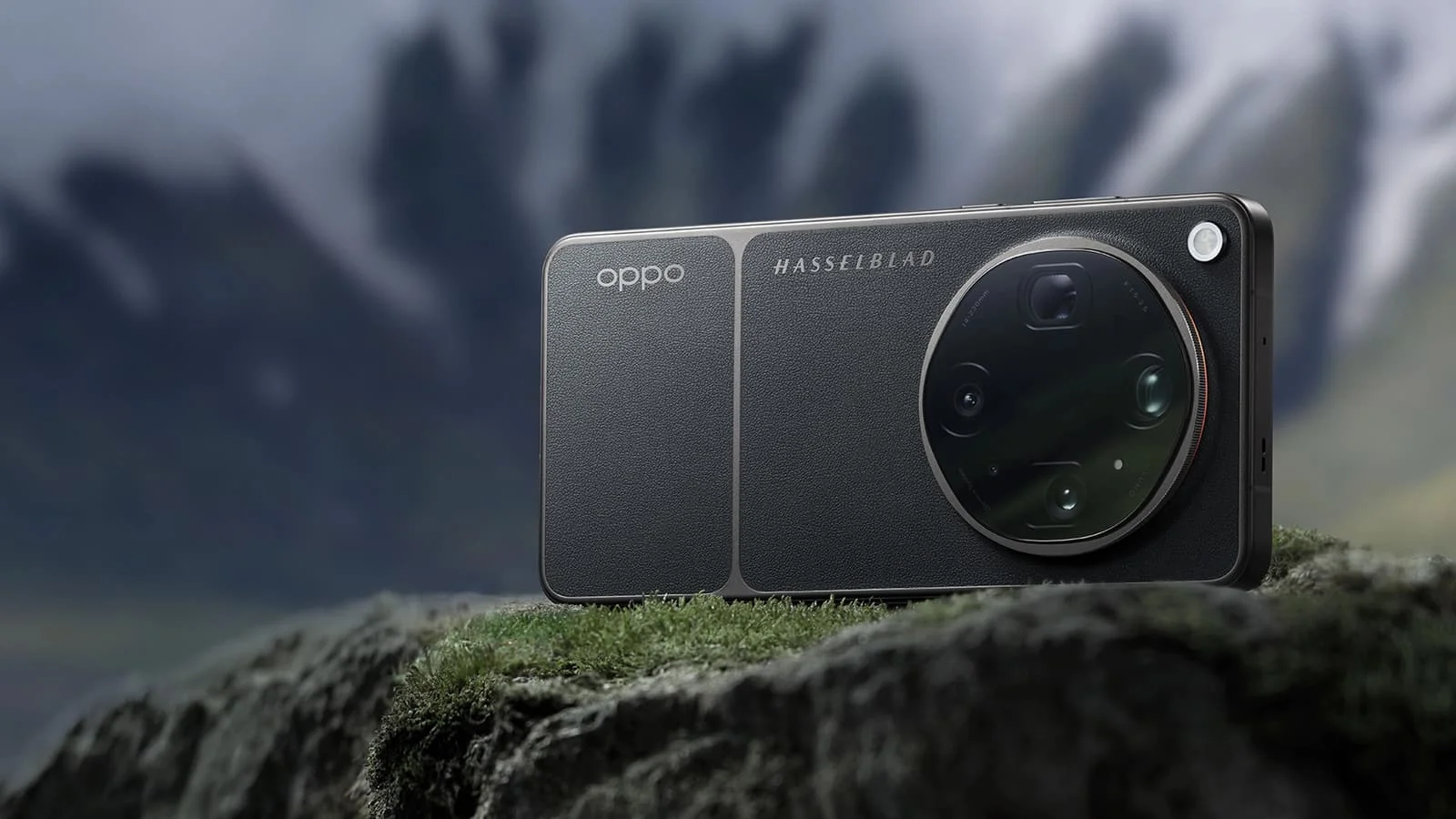
At a time when the mobile technology market is developing rapidly, competition between smartphones with leading camera capabilities is intensifying. According to ixbt.com, experts from the prestigious DxOMark laboratory have tested the camera of the Oppo Find X9 Ultra flagship smartphone and announced its position in the global ranking. Scoring 170 points based on the test results, the new device secured a spot among the top three camera phones in the world. This was reported by Ixbt.com, reports .
This high result demonstrates that the smartphone leads in the latest generation of mobile photography technologies. The device is notable for its close cooperation with the renowned Hasselblad company in developing the camera module. Its back panel features four advanced modules—two 200 MP and two 50 MP sensors—delivering high-quality shots in almost all everyday scenarios.
Positions in DxOMark Ranking and Competition
According to the laboratory test results, Huawei Pura 80 Ultra took the lead with 175 points, while Vivo X300 Pro took second place with 171 points. In third place, Oppo Find X9 Ultra successfully outperformed key competitors such as iPhone 17 Pro (168 points, 5th place), Xiaomi 17 Ultra (166 points, 9th place), and Samsung Galaxy S26 Ultra (157 points, 24th place).Experts note that the smartphone stands out with natural color reproduction in good lighting conditions, low noise levels, and excellent detail processing. Additionally, the device's portrait mode was recognized as one of the best among modern mobile devices.
Flaws and Camera Capabilities
However, some technical flaws were also identified during testing. The main objection of the specialists was directed at the fact that the main camera is equipped with a fixed aperture. For example, when photographing a group of people, some objects may remain outside the sharpness zone. Although AI algorithms attempt to correct this, in some cases they make the image look slightly unnatural.Issues were also observed during shooting against bright light sources and in night environments:
- Against a bright light background, the noise reduction system does not always work effectively, and digital noise becomes noticeable.
- Even in low-light conditions, noise appears, and the automatic white balance makes errors when working with artificial lighting.
- Although both telephoto lenses at 70 mm and 230 mm focal lengths provide high resolution, detail quality at the intermediate focal length of approximately 135 mm lags slightly behind competitors.


Comments 0
…