


Fast Metals Develops Technology to Extract Critical Minerals from Red Mud Waste
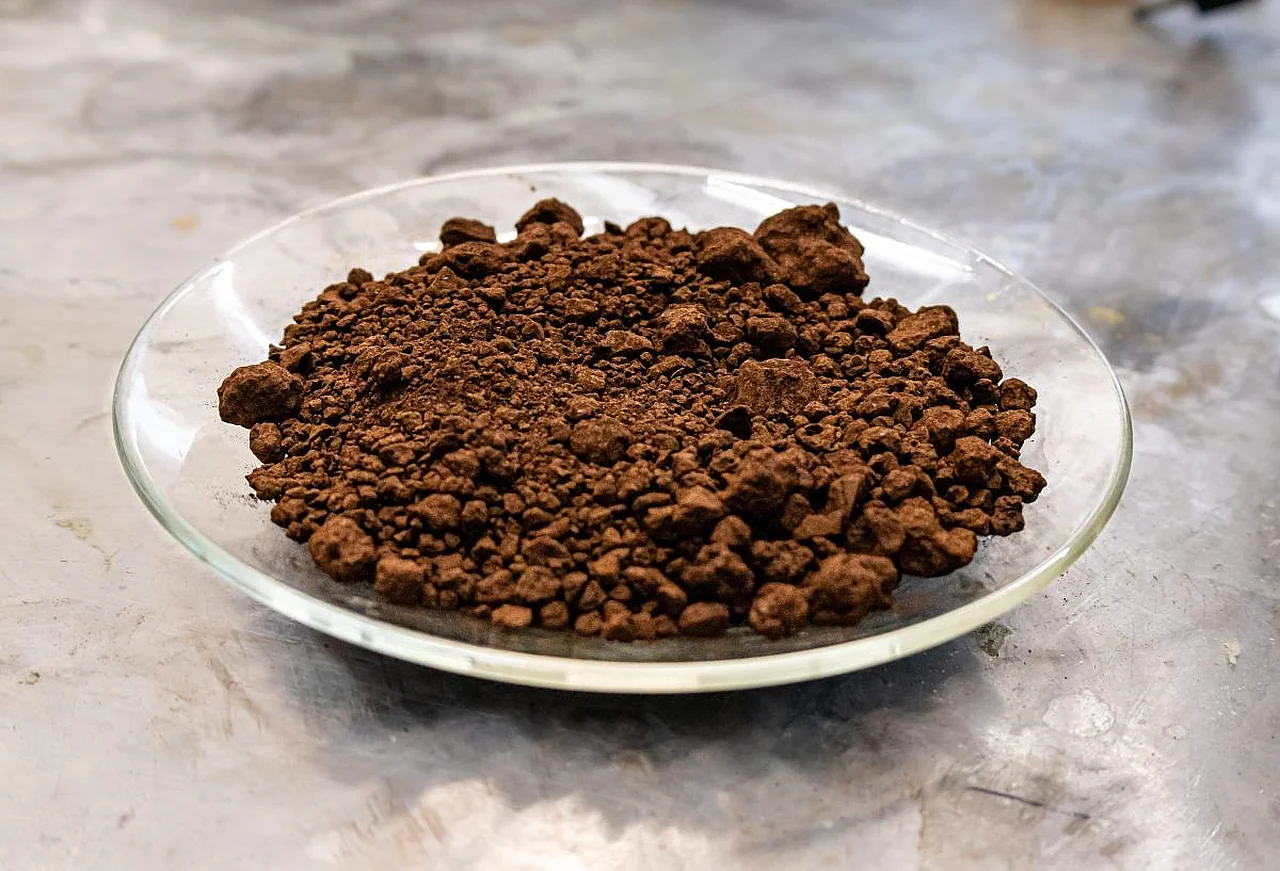
Billions of tons of red mud waste, generated during aluminum production and traditionally stored outdoors, could now become a source of valuable minerals. According to TechCrunch, the startup Fast Metals has developed a cost-effective technology to extract critical metals by recycling this highly toxic and viscous waste. This is reported by Techcrunch.com reports .
Worldwide, over 3 billion tons of red mud are stored in open-air pools and tailing piles. This waste gets its reddish color from iron oxide, which is the most abundant compound in the mixture. However, red mud also contains critical minerals such as titanium, aluminum, and rare earth elements.
Until now, these riches have been overlooked because extracting valuable minerals from iron oxide was prohibitively expensive. Sumedh Gostu, CEO and co-founder of Fast Metals, noted that his team has successfully overcome this exact barrier.
Core principle of the technology and financing
Gostu's technological process was largely developed during his doctoral dissertation at the Colorado School of Mines. However, to make the process flawless and economically viable, a crucial piece was still missing. During a conversation with co-founder Anthony Staley, that missing link was found—another waste stream from alumina refineries made the process extremely cost-effective.According to Ixbt.com and TechCrunch, this promising startup successfully closed a $4.3 million pre-seed investment round led by New Climate Ventures, with participation from Azolla Ventures, Astor Swiss, and Rio Tinto accelerator Founders Factory.
Six-stage processing and financial profit
Fast Metals specialists add special chemicals and another waste stream to the red mud, executing a six-stage purification and separation process. At each stage, different minerals precipitate and can be sold separately.The startup's leadership explains that the iron recovered from the waste fully covers operational expenses from sales, while the remaining minerals generate net profit. For instance, titanium dioxide sells for approximately $2.50–$3 per kilogram, while scandium oxide prices reach up to $750 per kilogram. This demonstrates that solving an environmental problem can also deliver high economic efficiency.


Comments 0
…