


Japan's ispace Chooses H3 Rocket Over Falcon 9
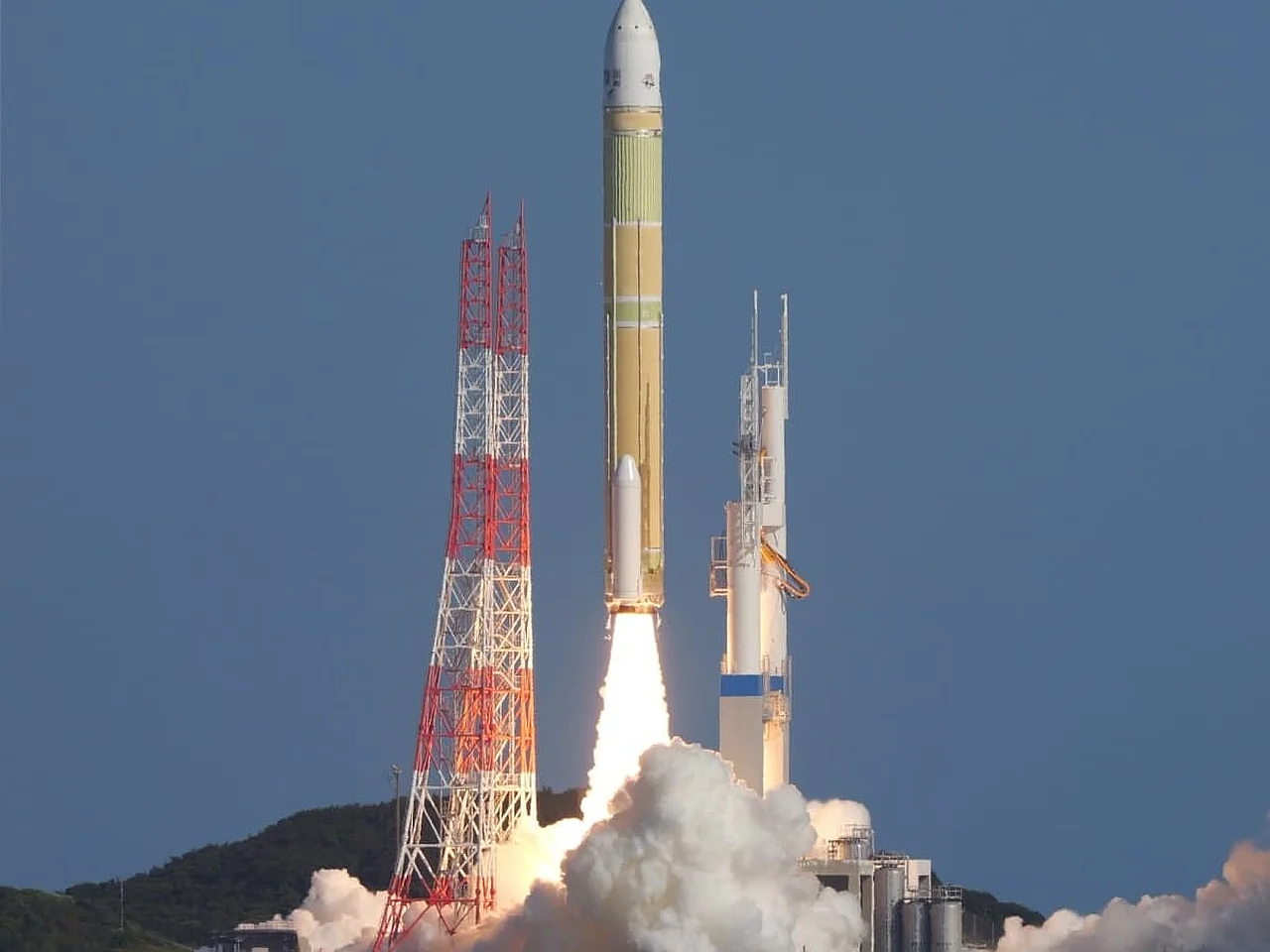
Japan's space company ispace has announced that it is moving away from American technology for its future Moon missions in favor of the national H3 rocket. According to ixbt.com, the Mission 3 program, scheduled for 2028, will carry a new lander called Ultra into space, marking the first time a Japanese private startup will use the H3 launcher. This is reported by Ixbt.com reports .
This decision represents a new milestone for ispace, as its first two lunar spacecraft were launched into space using Falcon 9 rockets belonging to the American company SpaceX. Now, the agreement between ispace and H3 manufacturer Mitsubishi Heavy Industries (MHI) goes beyond a simple commercial contract, aiming to create Japan's first private lunar transport system.
Currency Fluctuations and Rocket Reliability
Choosing the H3 carrier rocket took into account not only support for national space infrastructure, but also its technical specifications, flight conditions, and compatibility with the new module. Although the contract value was not disclosed, ispace CEO Takeshi Hakamada noted that the weakening of the Japanese yen has made Falcon 9 services, which are billed in US dollars, significantly more expensive for Japanese customers.At the same time, the past issues of the H3 rocket were not ignored. Out of 8 flights conducted so far, 2 had ended in failure. However, once the launcher resumed successful flights, the company's management deemed this risk acceptable. It is worth noting that cooperation with SpaceX has not completely ceased.
Grand Future Plans and Cooperation with Europe
ispace plans to implement several major projects in the future. According to the company, the new Mobile Cargo System transportation system will head to the Moon aboard Starship no earlier than 2030. This will further expand the company's logistics capabilities.In addition, the company's European division secured a significant contract worth 65 million euros from the European Space Agency (ESA). This funding will be spent on completing the development of the MAGPIE lunar rover designed to travel to the Moon's south pole to search for water ice and study the soil. This device will be sent to the Moon as part of Mission 4 in 2029.


Comments 0
…