


NASA and Private Companies Develop Technology for Building Bases on the Moon
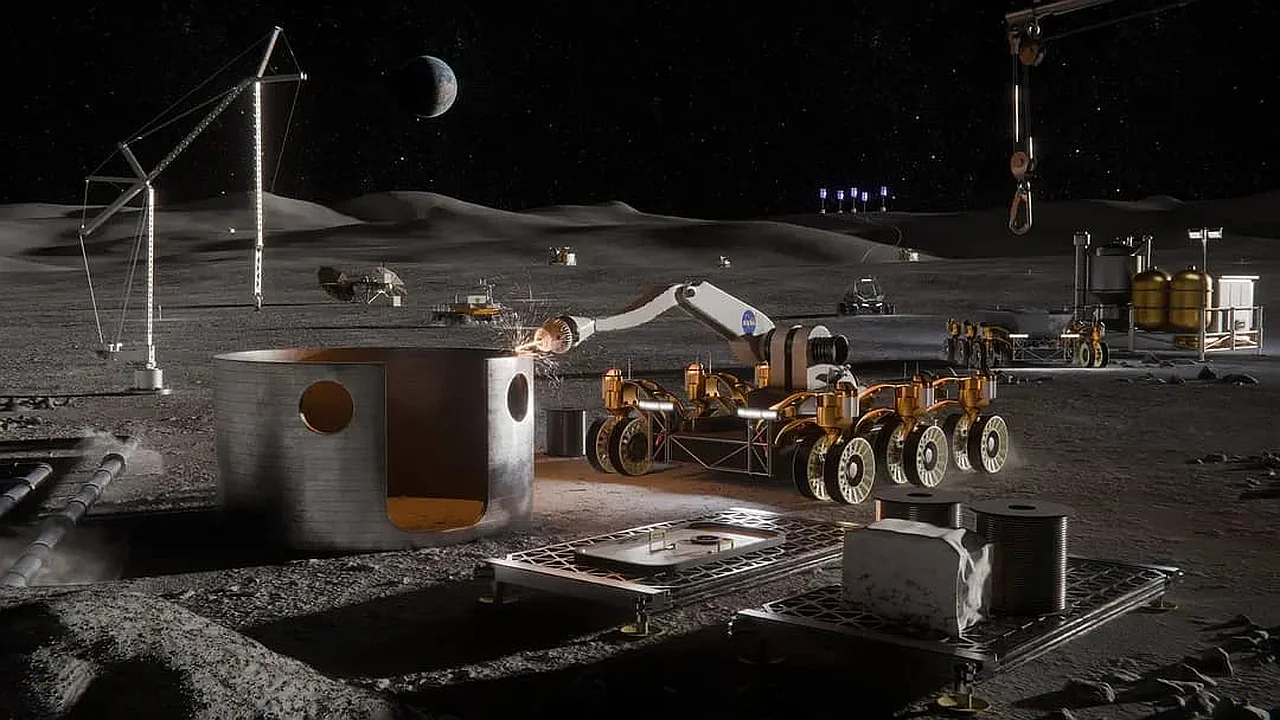
US-based companies Interlune and Vermeer have expanded their partnership to create autonomous construction equipment capable of independently preparing sites for future bases on Earth's natural satellite. According to ixbt.com, this unique robotic system is planned to be sent to the Moon in 2028 and is expected to be a crucial step in developing space infrastructure. This is reported by Ixbt.com reports .
Engineers plan to develop a special complex and integrate it directly into a lunar rover. This machinery will perform tasks such as clearing the surface, leveling the soil, and preparing perfect sites for future spacecraft landings and the construction of various structures. Specialists intend to test this equipment in terrestrial conditions first before deploying it directly for lunar missions.
Extreme Conditions and Autonomy
The extreme conditions on the lunar surface demand unique solutions from the project creators. In particular, the device must withstand highly abrasive lunar dust, sharp temperature fluctuations, and significant communication delays with Earth. That is precisely why the machinery is being designed to operate almost completely autonomously without direct human intervention.The companies already have some experience in this area, having presented a full-scale prototype of a lunar excavator in May 2025. This test fully confirmed the viability of the concept. Following this, the project has successfully moved to the stage of creating professional equipment intended for real space missions.
Future Prospects and Interplanetary Plans
Interlune CEO Rob Meyerson noted that autonomous construction technology and material handling systems will become the foundation for establishing permanent infrastructure on the Moon. In turn, this will ensure the construction of long-term bases and future opportunities for extracting local resources.The advanced equipment developed within this project will not be limited to the Moon alone. In the future, it is envisioned to be widely used for resource extraction, large infrastructure projects, and scientific research on Mars and other planets.


Comments 0
…