


Samsung Abandons Variable Aperture in Galaxy S27 Cameras
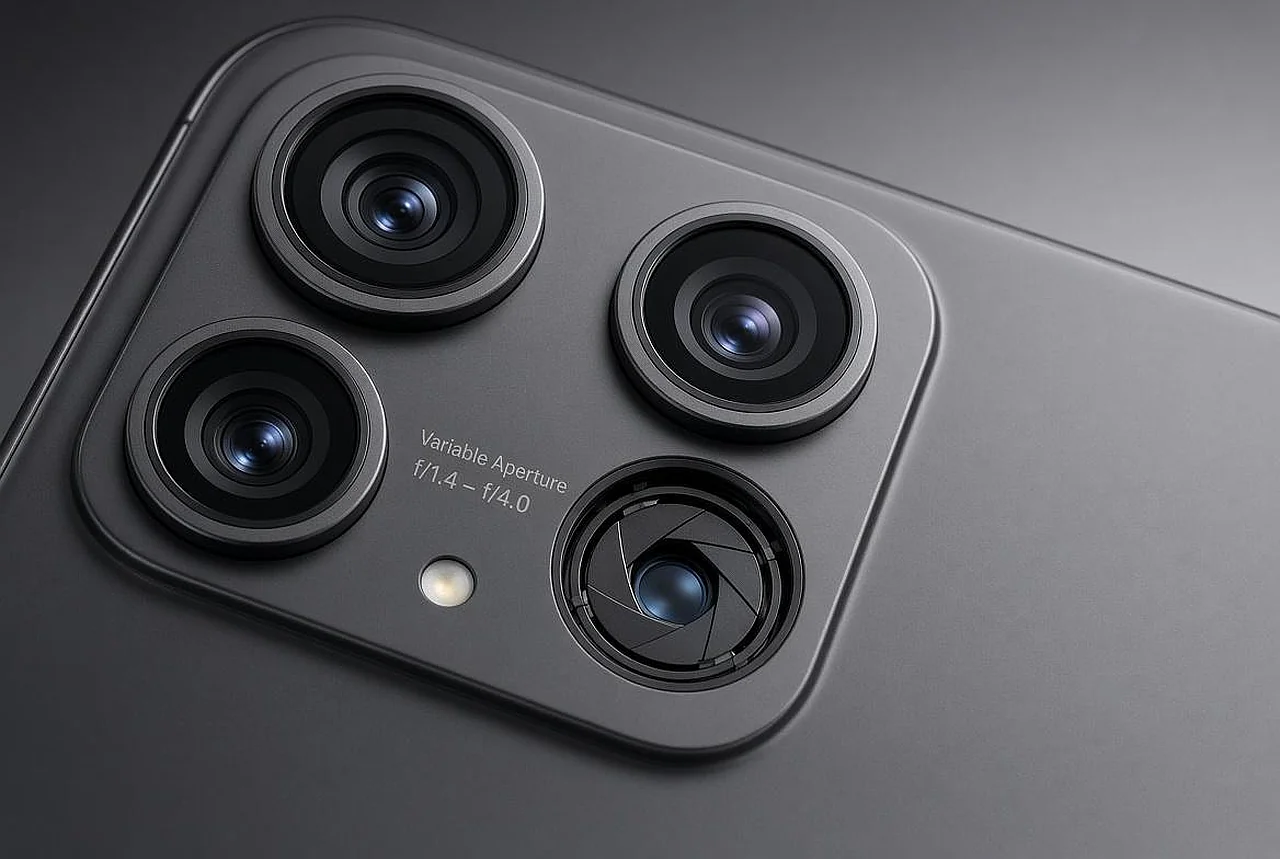
South Korean technology giant Samsung has abandoned plans to introduce variable-aperture technology in its upcoming Galaxy S27 flagship smartphone series. According to information shared by influential industry sources, the company had seriously considered bringing the feature back to mobile device cameras, but ultimately decided to drop the project. Ixbt.com reports .
The Galaxy S27 series is expected to be unveiled in the first half of 2027. A variable-aperture mechanism makes it possible to directly regulate the amount of light reaching the sensor through the lens. In particularly bright conditions, the opening can be reduced, while in dark environments it can be enlarged, allowing more precise control over exposure and depth of field and significantly improving image quality as a result.
The Technology’s History and Testing Process
Samsung already has experience using this solution. The company previously applied the technology in the Galaxy S9 and Galaxy S10 flagships, unveiled in 2018 and 2019, respectively. However, starting in 2020, South Korean engineers abandoned this hardware component and focused primarily on image processing through software and artificial intelligence.According to Ixbt.com, Samsung worked with its subsidiary Samsung Electro-Mechanics and leading camera manufacturers such as MCNEX to develop a variable-aperture mechanism for the Galaxy S27. Under the plan, the new optical capability was supposed to be used in the main camera module of future smartphones.
Reasons for the Decision and Market Conditions
One of the main reasons for renewed interest in the feature was the possibility that the upcoming iPhone 18 Pro and Pro Max models could introduce the same technology. Nevertheless, Samsung specialists analyzed a number of significant factors before reaching their final decision.First, adding a variable-aperture mechanism to the camera design would significantly increase the device’s production cost and make the body thicker. Second, the company’s analysis showed that the technology’s real-world benefits for modern smartphone users would not be sufficient to fully justify its high costs.
Global market conditions also influenced the decision. In particular, rising prices for memory chips and other critical components are placing additional financial pressure on manufacturers. As a result, Samsung decided to focus on other priorities in its flagship cameras.


Comments 0
…