


Modifying stainless steel makes hydrogen production from water cheaper
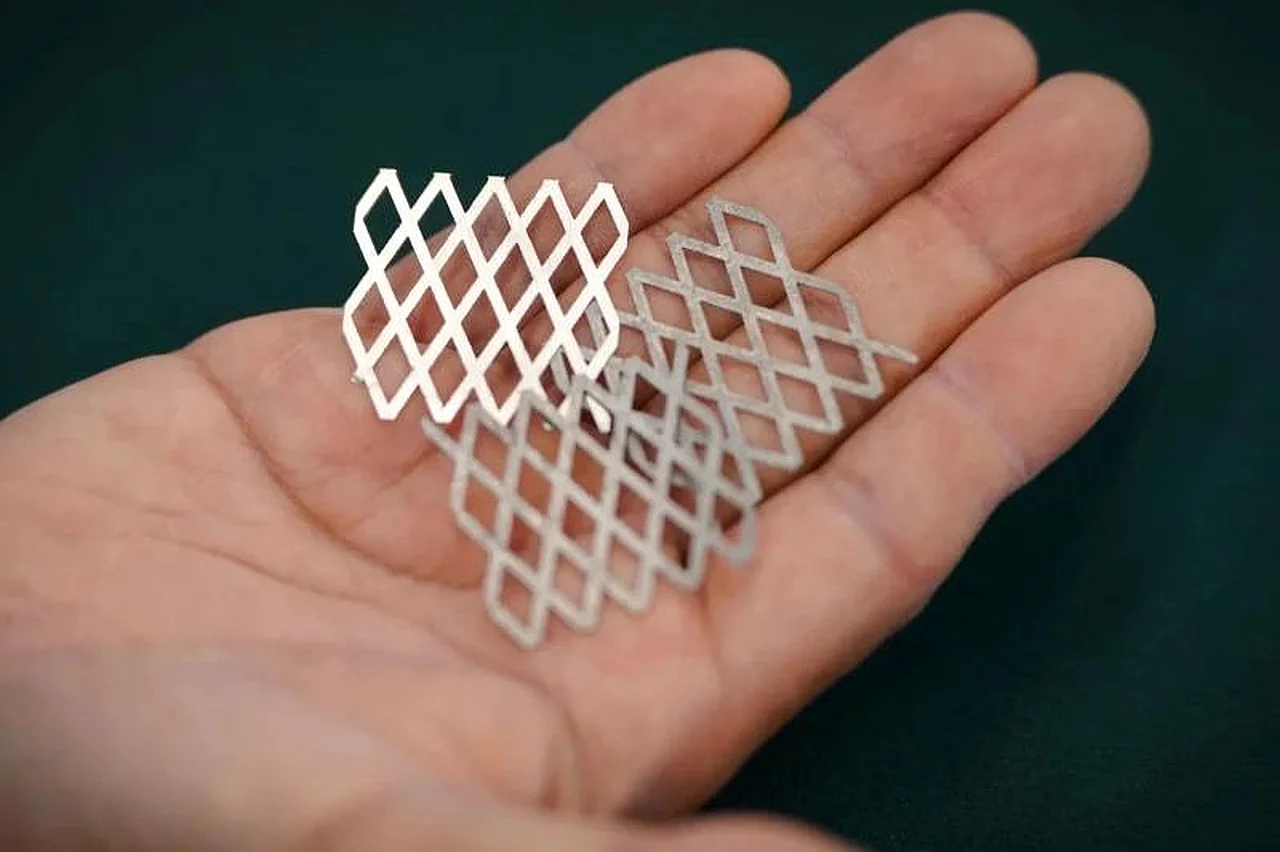
Scientists at the University of Hong Kong have created a new SS-H₂ (stainless steel for hydrogen) alloy capable of withstanding an electrochemical potential of up to 1700 mV in seawater. According to Ixbt.com, this figure is above the oxidation limit of water and significantly exceeds the capabilities of the most durable conventional stainless steel. This is reported by Ixbt.com .
It is known that traditional stainless steel materials rely on chromium oxide, which can only withstand potentials of up to 1000 mV. The newly invented SS-H₂ alloy uses a completely different approach, which could lead to a major breakthrough in the industry.
The secret of the dual protection mechanism
Experts note that the main secret of the new material lies in the "sequential dual passivation" mechanism. In the SS-H₂ alloy, at approximately 720 mV, the manganese element forms a second protective layer over the chromium layer. According to conventional wisdom, manganese was considered to degrade corrosion resistance, but here it performs an important protective function.When the chromium protection stops working, the manganese layer takes on the entire load. The lead author of the study, Dr. Kaiping Yu, admitted that they did not believe this result at first, as science had previously evaluated the properties of this element differently.
Economic impact on the hydrogen energy sector
During tests, SS-H₂ showed performance in a saline electrolyzer equal to titanium elements used in modern hydrogen production equipment. Today, a 10 MW proton exchange membrane electrolysis system costs nearly $2.3 million, with more than half of that accounted for by structural components.Replacing gold or platinum-coated titanium with the new SS-H₂ material allows for a reduction in structural material costs by approximately 40 times. Of course, this does not immediately make hydrogen itself 40 times cheaper, as the costs of electricity, catalysts, and membranes remain. Nevertheless, a sharp drop in one of the main expenses will provide a serious boost to the "green" hydrogen economy.
Currently, researchers are working with an industrial manufacturer to establish mass production of SS-H₂ wire in ton quantities. However, there is still a path to travel from laboratory-tested wire to creating commercially viable porous meshes and foam materials for real electrolyzers.


Comments 0
…