


New device for analyzing air composition launched on the International Space Station
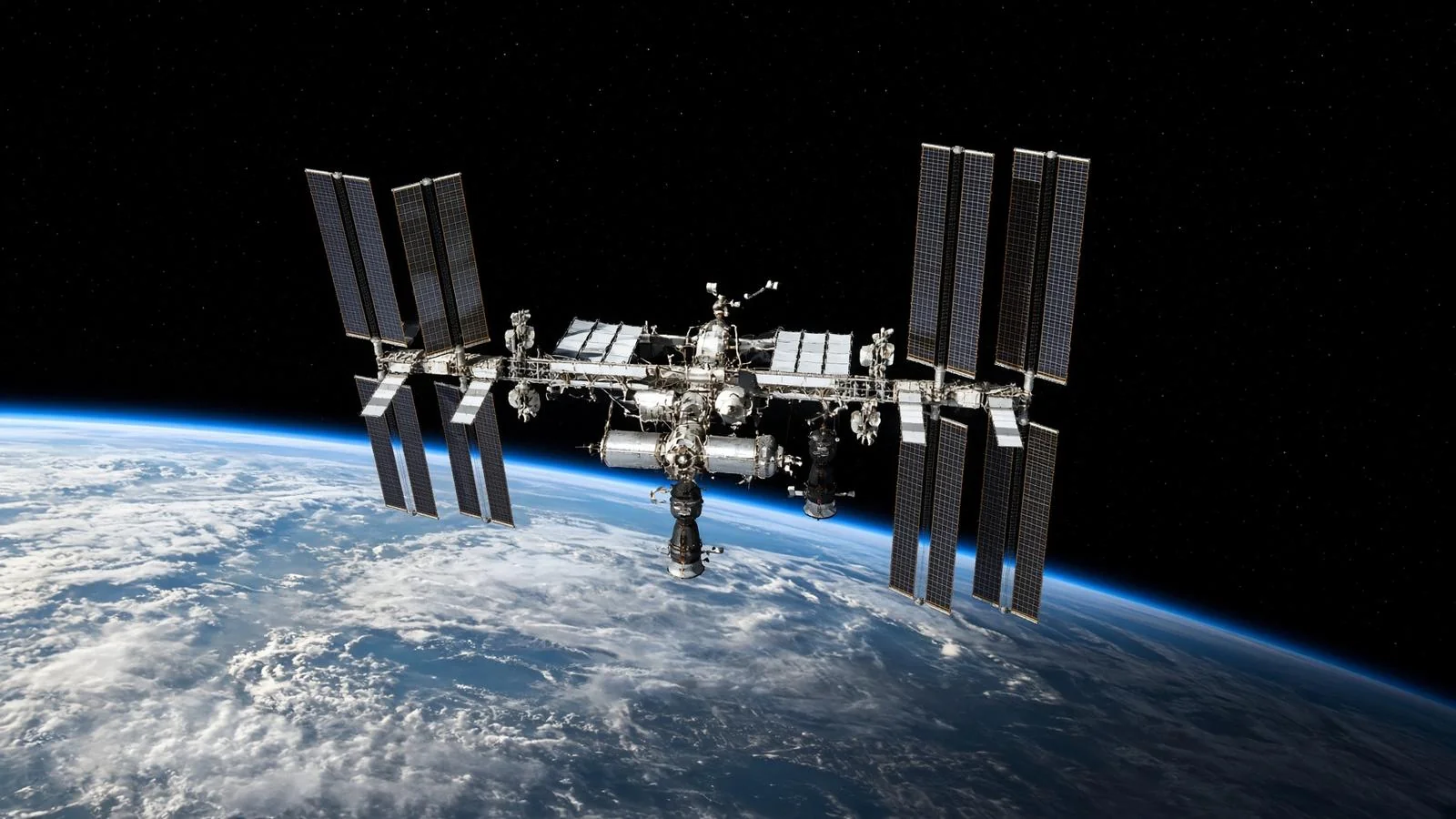
A modern device that automatically monitors the chemical composition of the air and detects dozens of different additives has been put into operation on the International Space Station. This new technology, crucial for space research and the operation of orbital stations, is a significant step in ensuring the safety of astronauts and continuously monitoring atmospheric conditions. This is reported by Ixbt.com reports .
New technology for air monitoring in space
According to ixbt.com, this high-tech device was delivered to the station via the «Progress MS-35» cargo spacecraft. It is designed to continuously monitor the station's atmosphere as part of a scientific experiment called «Gazoanalizator FS». In addition to primary gases, the system constantly records all foreign components in the air.The main operating principle of the new gas analyzer is based on the Fourier spectroscopy method. The device passes infrared radiation through an air sample and analyzes its specific absorption spectrum. This process allows for the rapid identification of existing gases in the air and their precise concentration.
The software is capable of automatically recognizing 35 different micro-additives. Furthermore, the interferograms transmitted to Earth allow specialists to identify other additional components in the station's atmosphere. This opens the way for a deeper study of the air environment on the orbital station.
Useful cargo brought by the spacecraft and future plans
As a reminder, the «Progress MS-35» spacecraft was successfully launched from the Baikonur Cosmodrome and docked with the International Space Station three days later. In addition to traditional cargo—fuel, water, food, and oxygen—the ship also carried equipment necessary for a series of scientific studies.In particular, this flight delivered scientific equipment and consumables for experiments such as «Teledroid», «Gazoanalizator-FS», «Biopolimer», «Virtual», «Vampir», «Uragan», and «Separatsiya». This shows that despite the station living its final years, scientific research continues intensely.
For information, according to NASA forecasts, SpaceX is expected to complete the development of the United States Deorbit Vehicle (USDV) designed to deorbit the International Space Station in the second half of 2028. Nevertheless, the station continues to be enriched with the latest modern equipment even in the final stage of its operation.


Comments 0
…