


We have all the cards": Trump halts negotiations with Iran
Quick readAI-generatedShow
- U.S.
- President Donald Trump has canceled a high-level diplomatic mission to Pakistan intended for negotiations with Iran after Tehran rejected what it termed "maximalist demands" from Washington.
- The mission, which was set to include special envoy Steve Witkoff and Jared Kushner, was scrapped following Iranian Foreign Minister Abbas Araghchi’s refusal to yield to U.S. pressure during talks in Islamabad.
- Trump criticized the Iranian leadership for internal instability and asserted that the U.S. holds "all the cards," suggesting that any future dialogue must now be initiated directly by Tehran. This diplomatic breakdown occurs amid ongoing regional volatility, including threats to global energy routes in the Strait of Hormuz and continued military friction between Israel and Hezbollah.
Political tensions in the Middle East have entered a new phase. US President Donald Trump has ordered the suspension of a planned major diplomatic mission in Islamabad due to the refusal of Iranian officials to fulfill "stringent demands." Zamin.uz analyzes this sharp turn in global politics and the reasons behind it.
Failed Meeting in Pakistan
According to the initial plan, Washington was to send special envoy Steve Witkoff and the President's son-in-law Jared Kushner to the Pakistani capital to establish a dialogue with Tehran. The purpose of this meeting, expected to take place through the mediation of Islamabad, was to ease tensions between the two nations. However, after discussions with Pakistani Prime Minister Shahboz Sharif, Iranian Foreign Minister Abbos Araqchi left Islamabad, stating that they would never submit to the "maximalist demands" of the United States.
Trump's Sharp Reaction: "Just Call!"
The American leader criticized the Iranian leadership harshly via a post on social media. In his view, strong chaos prevails within Tehran, and it is unclear who is making decisions.
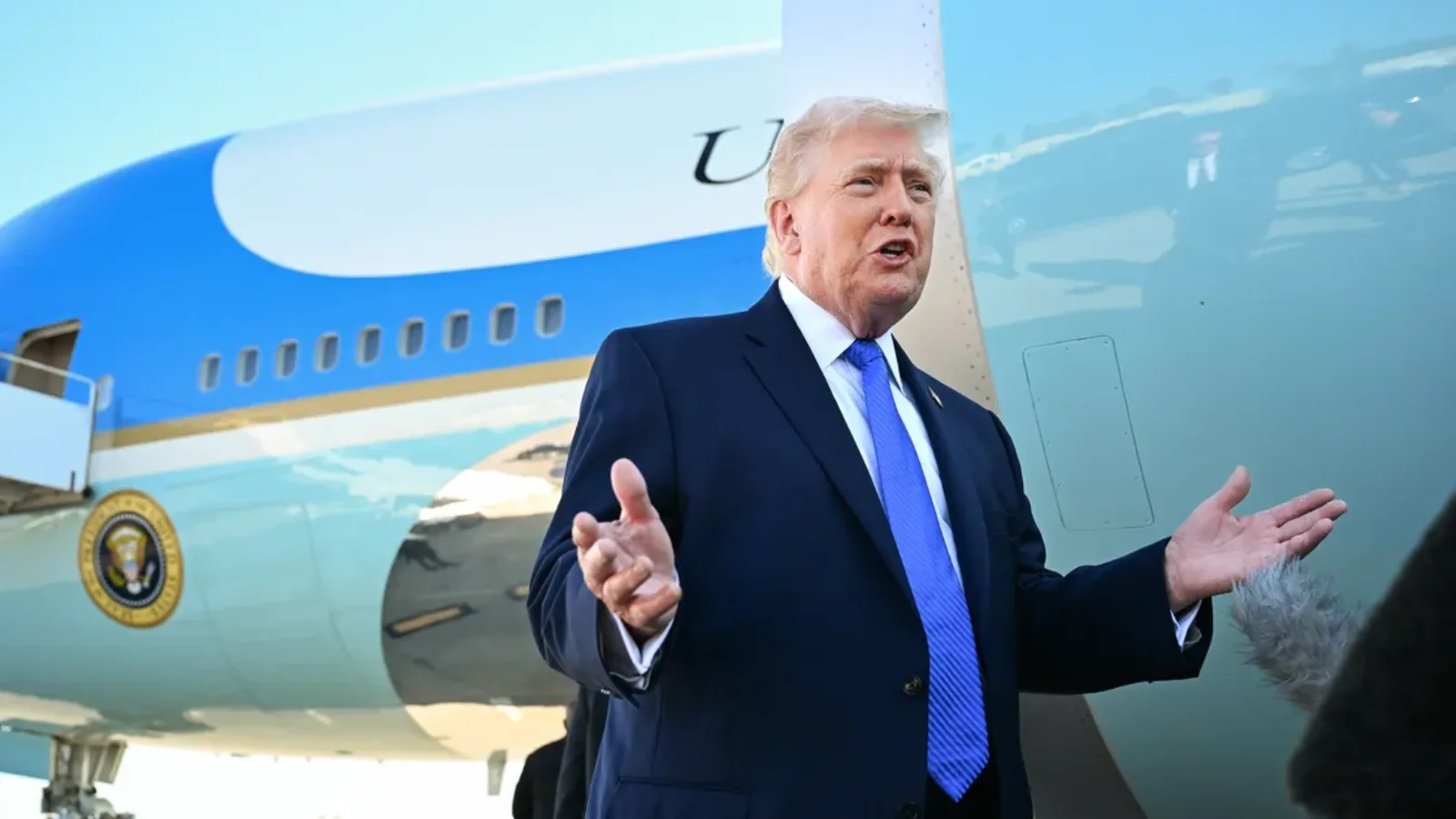
«Too much time and effort was spent on the trip! We have all the cards, and they have nothing. If they really want to talk, they just have to call!» — Trump emphasized.
Global Energy Market and Military Situation
Currently, a short-term truce is in effect for the first time since the conflict between the two countries began on February 28 of this year. However, the situation in the region remains concerning:
-
Strait of Hormuz: Obstructions in this area, through which one-fifth of the world's oil transport chain passes, are causing energy prices to rise.
-
Israel-Lebanon Conflict: Despite the truce, Israel continues to strike «Hezbollah» positions in southern Lebanon. Iran, meanwhile, demands the cessation of these attacks before negotiations can proceed.
At the same time, some positive signs are visible. For instance, flights from Khomeini Airport in Tehran to Saudi Arabia, Turkey, and Oman have been restored.
What Does the Future Hold?
According to US Secretary of Defense Pit Xegset, the "gates to a favorable deal" remain open if Iran abandons its nuclear ambitions. However, for now, neither side seems intent on retreating from its position.
Dear readers, how do you think this failure to find common ground between Iran and the US might further affect the global economy? Do you agree with Trump's statement that "we have all the cards"?
Continue to follow world politics and geopolitical changes on Zamin.uz.



Comments 0
…