


Taliban Officials Banned from Using Smartphones
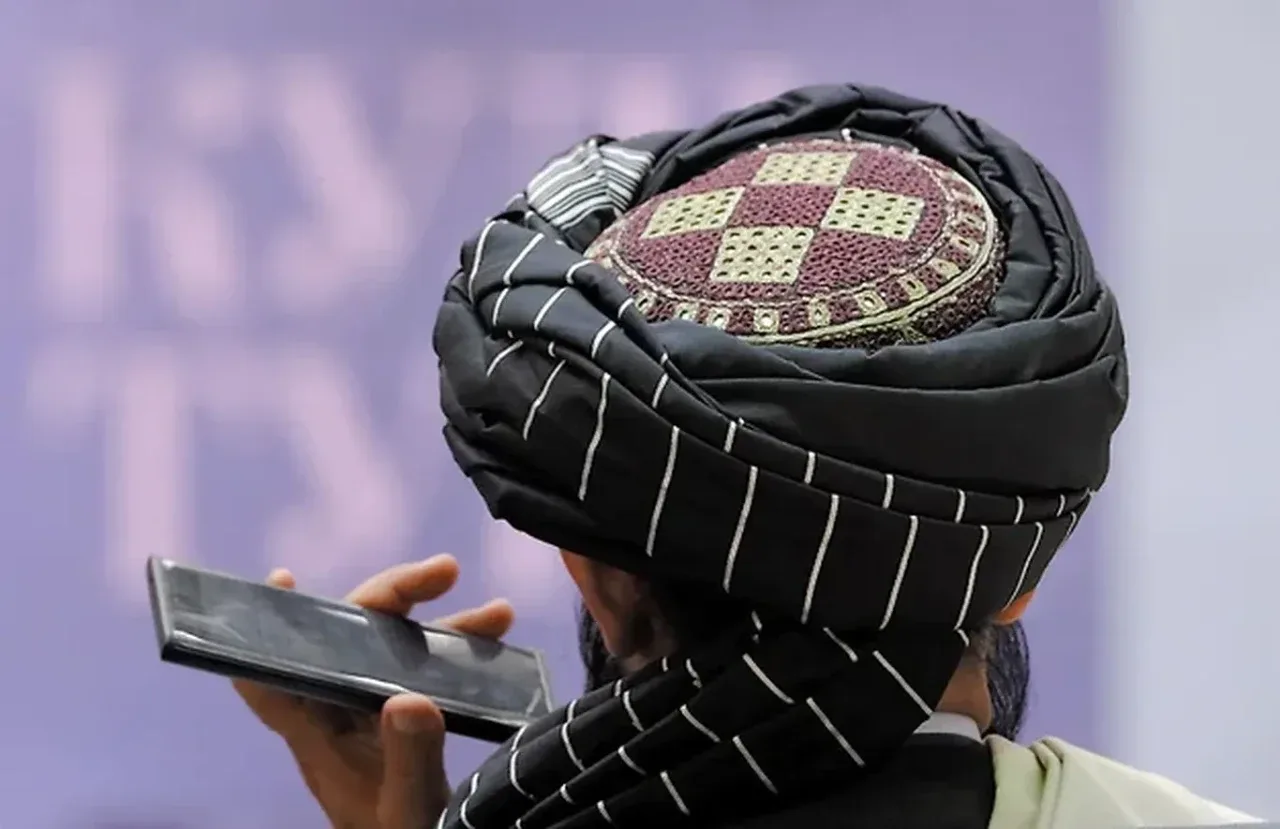
A new restriction has been introduced for the Taliban movement, which controls power in Afghanistan, and for state employees. According to reports, movement leader Hibatullah Akhundzada has signed a decree prohibiting Taliban representatives and government system employees from using smartphones.
Citing the relevant document, Afghanistan International reports that under the new rules, Taliban members and state employees must use only basic phones for communication. Using a smartphone may be considered not just a violation, but a criminal offense.
It is reported that individuals who violate this ban will be held accountable before a military court. However, the specific punishment for officials or movement representatives caught using smartphones has not yet been publicly disclosed.
The main purpose of the new decree is stated as preventing the "misuse" of the internet and viewing "immoral content." It is assumed that the Taliban leadership believes that internet access via smartphones could negatively affect discipline among movement members and officials.
This decision indicates that stricter control may be imposed on digital technologies, freedom of information, and the activities of state employees in Afghanistan. This is because smartphones have become essential devices not only for communication but also for accessing information, conducting business, exchanging documents, and rapid communication.
However, the Taliban leadership has long expressed caution and criticism towards modern gadgets. Hibatullah Akhundzada had already called on Afghans in 2025 to reduce their use of modern devices. Following this call, various restrictions on smartphone and internet use began to be discussed in the country.
Afghan government Higher Education Minister Nida Mohammad Nadim had also previously sharply criticized smartphones. He reportedly called modern communication devices "one of the main enemies of Muslims." This statement indicated a growing negative attitude towards smartphone use in educational institutions and government offices in the country.
In October of last year, Nadim announced that smartphones could not be brought into universities. It was stated that only university rectors and heads of educational centers might be exempt from this ban. This indicated the likelihood that restrictions would first expand in the education sector and then in public service.
Now, smartphone bans are being applied to Taliban and government representatives as well. This signals that control over digital life in Afghanistan may intensify further. In particular, treating smartphone use as a criminal offense liable for military court proceedings is seen as a severe measure.
Such a decision could seriously limit the ability of state employees and movement members to use the internet. Basic phones offer only limited communication options like calls and SMS. Giving up smartphones significantly reduces access to timely information, social networks, messengers, and digital services.
At the same time, it remains unclear how the decree will be enforced, how violators will be identified, and what penalties will be applied. These questions remain open for the Afghan public and international observers.
In conclusion, the Taliban leadership is attempting to control the flow of information within the movement and the state system by restricting smartphone use. This decision indicates a growing conservative approach to technology use in Afghanistan.
While smartphones have become a standard tool for work, education, and communication worldwide, the fact that their use is being elevated to the level of a crime for certain groups in Afghanistan draws attention once again to the situation in the region.



Comments 0
…