


The Truth Behind Pharaohs' Kohl: 4000-Year-Old Secrets Revealed
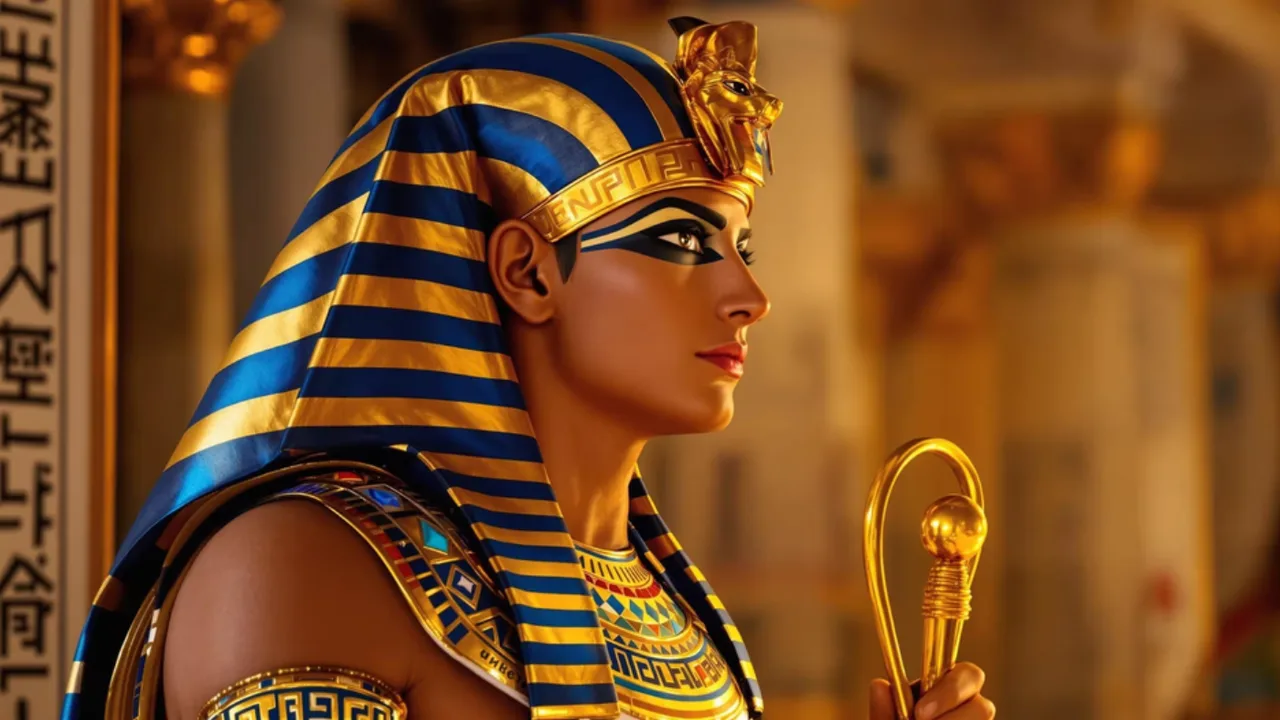
In ancient Egyptian frescoes, pharaohs and queens are depicted with black lines around their eyes. Many considered this a simple sign of beauty, but modern research has shown it actually served a much more complex function.
Studies conducted by French scientists Philippe Walter and Christian Amatore identified synthetic lead compounds such as laurionite and phosgenite in kohl. This means ancient Egyptians mastered chemical processes at a very early stage.
According to research, small doses of lead activate immune-boosting processes in the body. Therefore, kohl served not only as cosmetics but also as a protective agent against eye diseases.
The annual flooding of the Nile River caused the spread of infections. In these conditions, kohl protected the eyes from diseases such as conjunctivitis and trachoma. This practice later spread to neighboring regions.
Kohl also held religious symbolic meaning, associated with the Eye of Horus, and was believed to protect humans from disease and evil. Thus, medicine and faith were intertwined.
Ancient Egyptians prepared complex cosmetic compositions using various minerals and salts. Over time, these methods evolved into systematic medical practices.
Thus, kohl was not just a part of beauty, but also an important part of healthcare, widely used by the entire society.


Comments 0
…