


10 Major Water Bodies in the World Are Drying Up Before Our Eyes
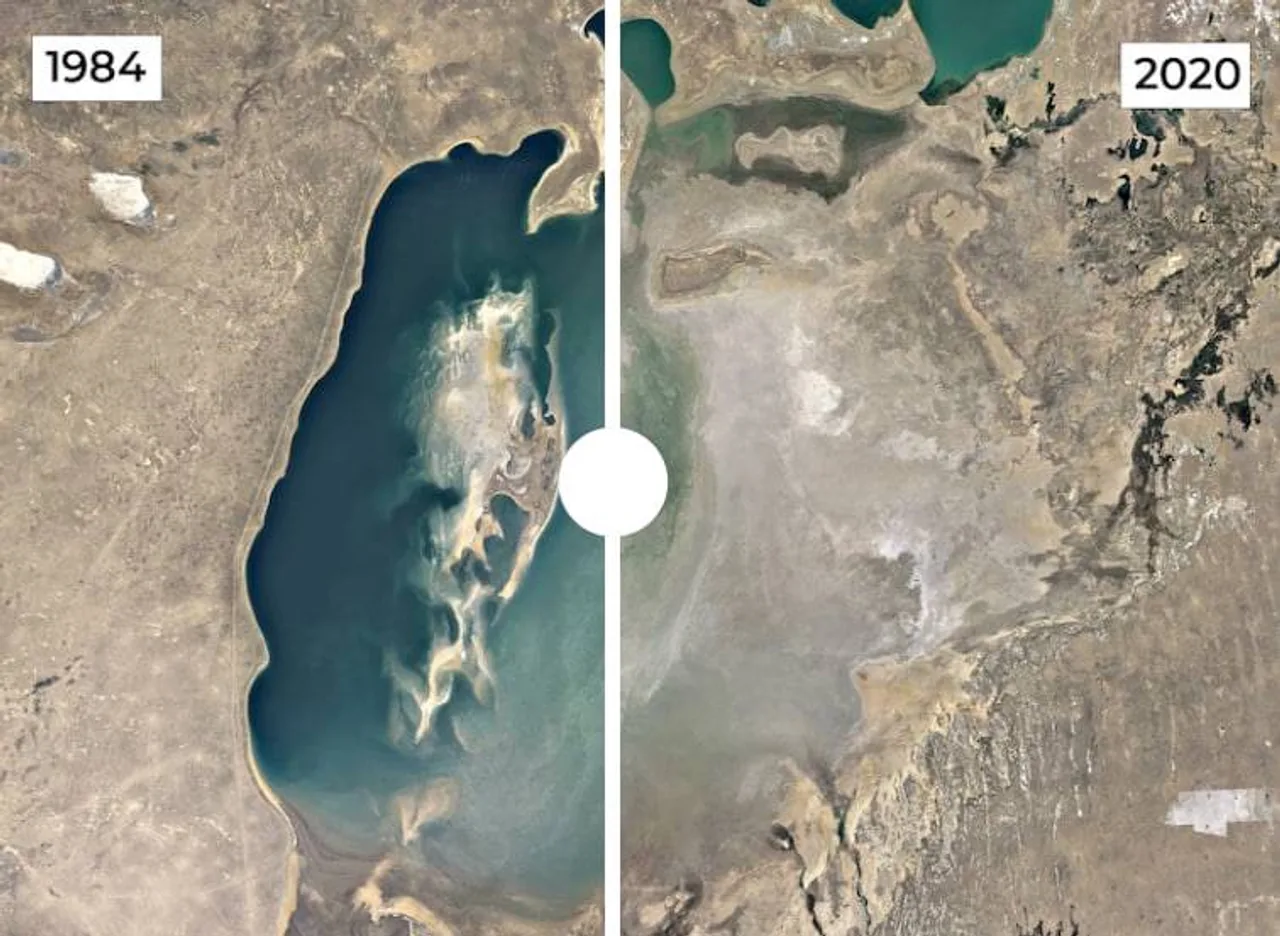
Our planet is facing one of the most serious ecological problems. According to experts, the world loses approximately 324 trillion liters of fresh water every year. This is a huge amount, enough to meet the annual needs of 280 million people.
According to the World Bank's 2025 report, the main reasons for this situation are increasing drought, inefficient use of water resources, and improper land reclamation.
In this regard, the UN has declared June 17 as the World Day to Combat Desertification and Drought.
Al Jazeera analyzed satellite imagery to identify the 10 fastest-drying water bodies in the world.
One of the most alarming examples is the Aral Sea in Uzbekistan. Due to the diversion of river waters for agriculture over decades, the sea has lost more than 90 percent of its volume.
Lake Urmia in Iran is also in a dire state. Once the largest saltwater lake in the Middle East, the basin has now retained less than 10 percent of its volume.
Lake Poopó in Bolivia has almost completely disappeared. This has negatively impacted not only nature but also the lives of the local population. Fishing has ceased, and many families have lost their source of livelihood.
The sharp drop in water levels in Argentina's Paraná River is also affecting international trade. Transporting grain has become difficult, and electricity production has decreased.
Additionally, Lake Mead in the USA, Lake Aculeo in Chile, Lake Ngami in Botswana, Lake Faguibine in Mali, the Iraqi marshes, and the drought-stricken areas of Madagascar are also under ecological threat.
Experts warn that if water resources are not used rationally, this problem could become even more acute in the future.
Today, the drying water bodies in the world are not just an ecological problem, but have become a global threat directly affecting the lives of millions of people, food security, and the economy.


Comments 0
…