


Massive Standoff in the Strait of Hormuz: Shipping Traffic Hits Record Low
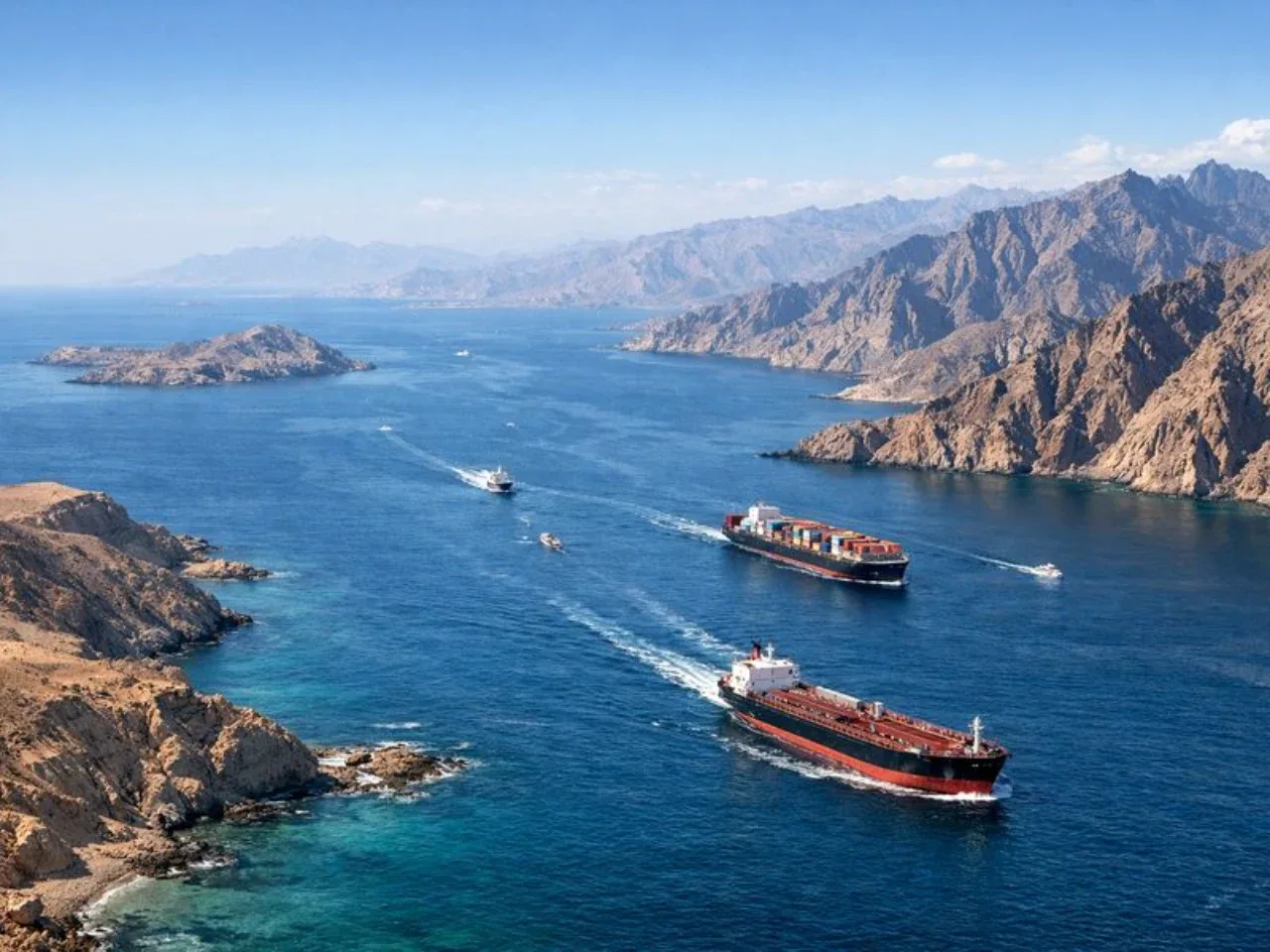
Shipping traffic in the Strait of Hormuz, the world's primary oil artery, has plummeted to its lowest level since May. According to Reuters, citing vessel tracking data, the flow of oil and commodity tankers through the strategic chokepoint is declining daily. This escalation, fueled by direct attacks on tankers and military strikes between the U.S. and Iran, has sparked new concerns over global fuel supplies and energy markets.
Record Traffic Collapse: Only 10 Ships Per Day
Maritime monitoring services have released figures indicating a high-risk environment:
Lowest level since May: According to Kpler data, an average of only 10 commodity tankers have passed through the Strait of Hormuz daily over the last 10 days;
Sharp decline dynamics: While 15 cargo ships passed through the strait on Friday and 13 on Saturday, the figure dropped to just 10 by Sunday;
White House admission: U.S. Secretary of Energy Chris Wright officially confirmed that oil transit volumes through the Strait of Hormuz have fallen significantly compared to levels before the American strikes on Iran.
Exchange of Maritime Strikes: Tanker Hunts and Carrier Attacks
Direct use of force between the parties in the region has escalated into open conflict:
U.S. Forces Attack: The Pentagon's Central Command (CENTCOM) announced on Saturday that U.S. forces struck three Iranian oil tankers near Kharg Island, in the Jask area, and in the Gulf of Oman;
Tehran's Retaliatory Strikes: In response, Iranian armed forces targeted three U.S.-linked oil tankers in the Strait of Hormuz;
Ballistic Strike on Aircraft Carrier: According to Reuters, the Islamic Revolutionary Guard Corps (IRGC) reported that it had launched ballistic missiles at a U.S. Navy aircraft carrier and a destroyer.
Collapse of the Memorandum and Trump's 'Total Isolation'
Months of diplomatic efforts have reached a dead end once again:
Short-lived hope: In mid-June, Washington and Tehran had signed a memorandum aimed at developing a peace agreement;
Agreement voided: Just three weeks later, Washington accused Iran of firing on commercial vessels, triggering a new series of military strikes between the parties;
Trump's Announcement and Iran's Response: On August 20, U.S. President Donald Trump announced the start of an unprecedented economic operation and total isolation against Iran. In turn, Iranian Foreign Minister Abbas Araghchi called Trump's statement an admission of U.S. defeat in the conflict.
Do you think this intense standoff in the Strait of Hormuz will lead to a sharp spike in global oil prices and a new energy crisis in the coming days? What diplomatic mechanisms could prevent the U.S.-Iran conflict from escalating into a full-scale war? Leave your thoughts in the comments!



Comments 0
…