


Political Earthquake in Germany: Historic Victory for AfD in Saxony
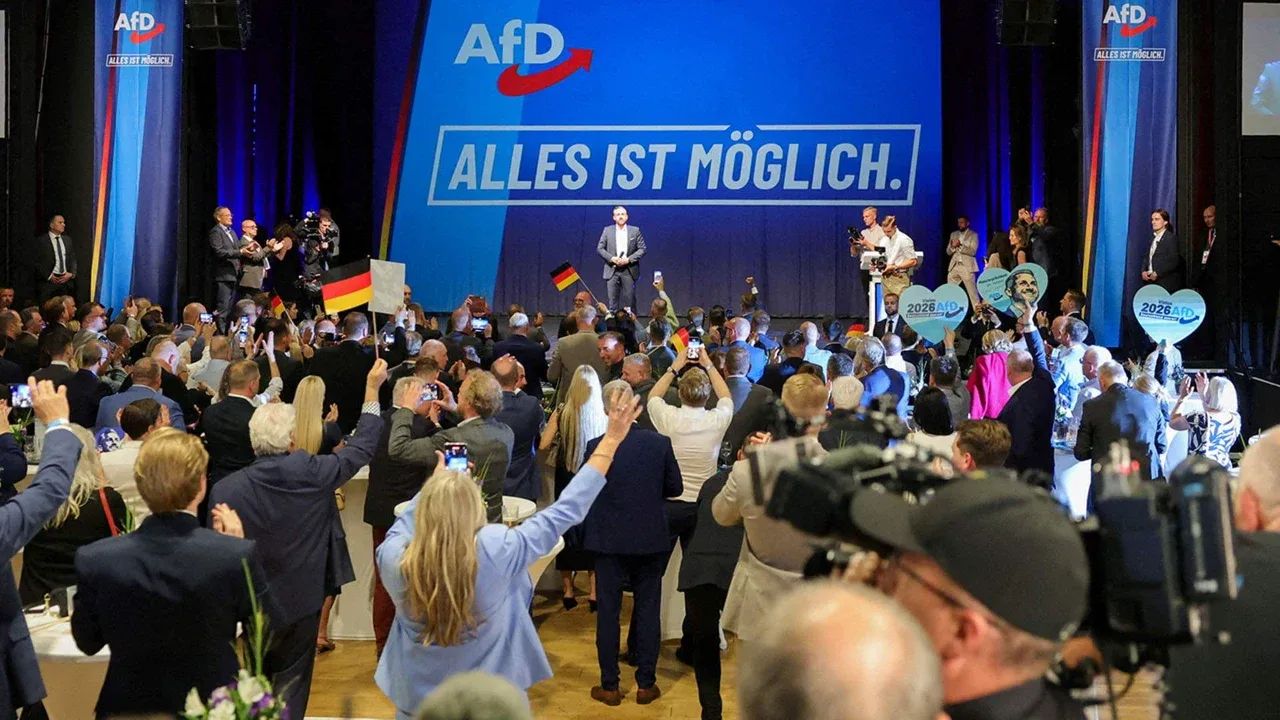
Photo: iz.ru
Germany's The elections to the Landtag (regional parliament) of the federal state of Saxony-Anhalt have triggered a true political earthquake on the national and European political stage. With 100 percent of the ballots counted, the opposition right-wing 'Alternative for Germany' (AfD) party secured 43.8 percent of the vote, leaving its rivals far behind and achieving an absolute historic victory. Experts view this result as a serious blow to traditional German politics and the current government coalition.
Election Results: Unexpected Revenge for AfD and the Dire Situation of Rivals
According to the official final results announced by the regional election commission, the balance of power is as follows:
Absolute Triumph for AfD: The opposition right-wing forces became the leading power in parliament with 43.8 percent of the vote, marking a record in the region's history;
Christian Democrats Second by a Wide Margin: The Christian Democratic Union (CDU) finished in second place with only 17.2 percent of the vote, trailing the leading party by more than 26 percent;
Collapse of the Ruling Coalition: The Social Democratic Party (SPD), led by the German Chancellor, fell to third place with a disappointing result of only 9.3 percent;
Greens and Left on the Threshold: The Green party received 8.9 percent, while the Left party received 8.6 percent of the vote;
Success of Sahra Wagenknecht: The recently formed 'Sahra Wagenknecht Alliance — For Reason and Justice' (BSW), which quickly gained significant attention, secured 5.3 percent of the vote, successfully clearing the 5 percent parliamentary threshold.
77.8 Percent Turnout: Public Discontent Drives Voters to the Polls
Political debates in Saxony-Anhalt were unprecedentedly intense:
High Participation: 77.8 percent of citizens participated in the election — such high turnout is attributed to the public's dissatisfaction with current official policies and their demand for change;
Strong Competition: A total of 16 political parties and 398 candidates competed for parliamentary seats.
Alarm Bells for Berlin and Federal Impact: What Happens Now?
This victory in Saxony-Anhalt is not limited to the borders of a single region:
New Tests on September 20: International analysts believe this result will have a direct impact on the elections for the Berlin House of Representatives and the Mecklenburg-Western Pomerania Landtag on September 20;
Wave of Right-Wing Forces in Europe: This political shift in Germany will create immense public pressure on official Berlin regarding migration policy, energy prices, and aid to Ukraine;
Federal Crisis: The significant advance of the AfD in local elections could complicate the governing mechanism for the central government and increase pressure for early federal elections.
Do you think the AfD's victory with 43.8% is a consequence of the German people being tired of migration and economic problems, or is a new political era beginning in Europe? Can this event fundamentally change the foreign policy of Germany and the European Union? Leave your thoughts in the comments!



Comments 0
…