


A Turn in the Skies: Uzbekistan may surpass Kazakhstan in aircraft fleet size
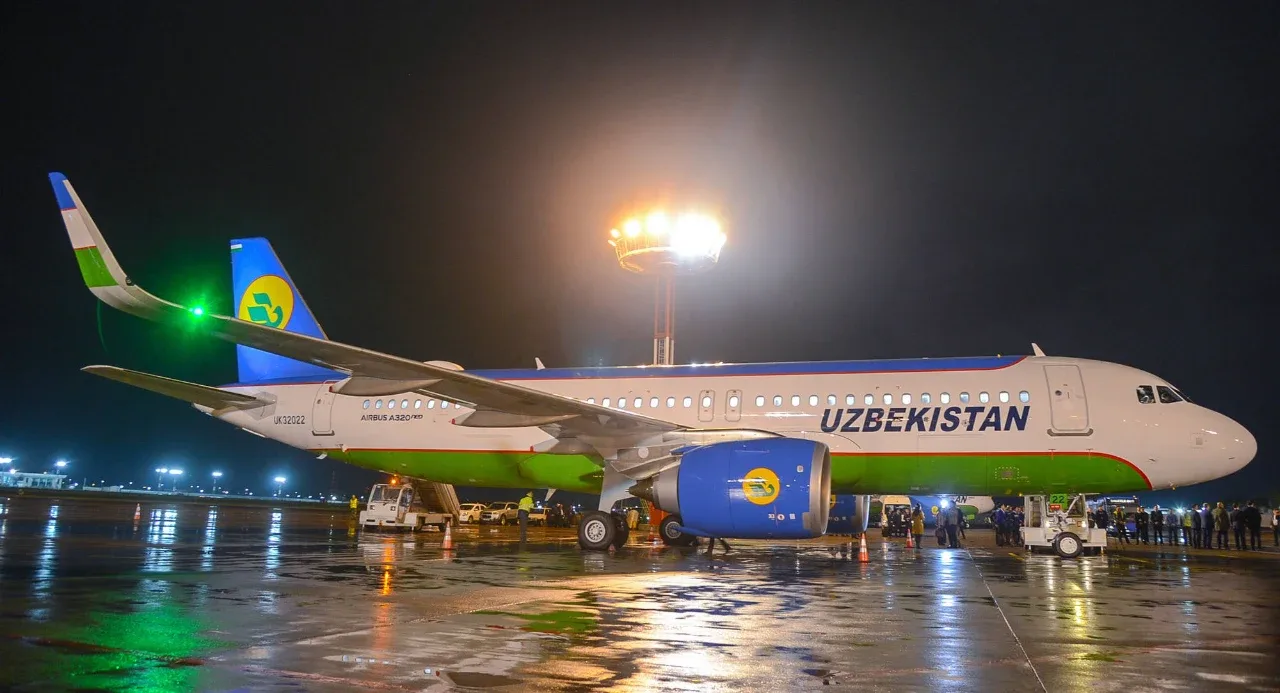
Historical geo-economic changes and a serious turning point for regional leadership are being observed in the Central Asian civil aviation market. According to an official analytical review by the Government of Kazakhstan, by the end of the current year 2026, Uzbekistan may surpass Kazakhstan in terms of civil aviation fleet size and become the largest aviation hub in the region. At a time when the pace of new aircraft deliveries in the neighboring country has slowed down significantly compared to previous plans, Uzbekistan's national and private airlines are rapidly replenishing their fleets with new liners.
Kazakhstan's downgraded forecast: Plan reduced by 26 percent
In a new analytical document prepared by the Government of Kazakhstan, previous expectations regarding the country's civil aviation development have been significantly lowered:
160 aircraft by 2030: According to the updated forecast, Kazakhstan's civil aviation fleet may reach 160 aircraft by 2030. This means exactly 56 fewer aircraft (25.9 percent) compared to previous estimates;
Limited aircraft delivery schedule: The official schedule for handing over new boards to Kazakhstan's air carriers is set as follows:
in 2026 — only 6 aircraft;
in 2027 — 11;
in 2028 — 10;
in 2029 — 9;
in 2030 — 13 liners;
Air Astana and Airbus agreement: Although the country's leading carrier, Air Astana, signed a major €8.3 billion (approximately $9.45 billion) contract with the European concern Airbus, supply chains and delays are slowing down the overall fleet expansion.
Uzbekistan's strategic rise: Towards 120 aircraft and absolute leadership
Reforms and liberalization policies being implemented in Uzbekistan's aviation sector are changing the balance in the region:
The ambitious goal of 120 aircraft: Earlier, the President of the Republic of Uzbekistan announced the plan to bring the national airlines' fleet to 120 modern aircraft;
Historical milestone by the end of 2026: If the current pace is maintained, by the end of 2026 Uzbekistan will surpass Kazakhstan in the number of civil aircraft and become the number one aviation fleet nation across all of Central Asia;
Increasing market competition: Apart from the national carrier Uzbekistan Airways, the emergence of new domestic private airlines and the expansion of international leasing contracts are laying the groundwork to turn Uzbekistan into the region's main transit hub.
Regional transit war: What will passengers and tourism gain?
The race between aviation fleets is not just a battle of numbers, but implies major economic privileges:
Geography of direct flights: An increase in the number of aircraft will turn Uzbekistan into a major transit corridor between Europe, Asia, and the Middle East;
Prices and service quality: More aircraft and strong competition will serve to lower prices in the airline ticket market and increase the number of flights;
Sharp growth in tourist flow: A large fleet guarantees Uzbekistan's advantage in competition with neighboring countries in attracting foreign tourists to the country.
To what extent do you think Uzbekistan surpassing Kazakhstan in aircraft fleet size will serve as an incentive for lower plane ticket prices and improved service quality? Which country will be able to become a true global aviation hub in this transit race in Central Asia? Leave your thoughts in the comments!



Comments 0
…