


Former Yandex head joins forces with Palantir: What threat does it pose to Russia?
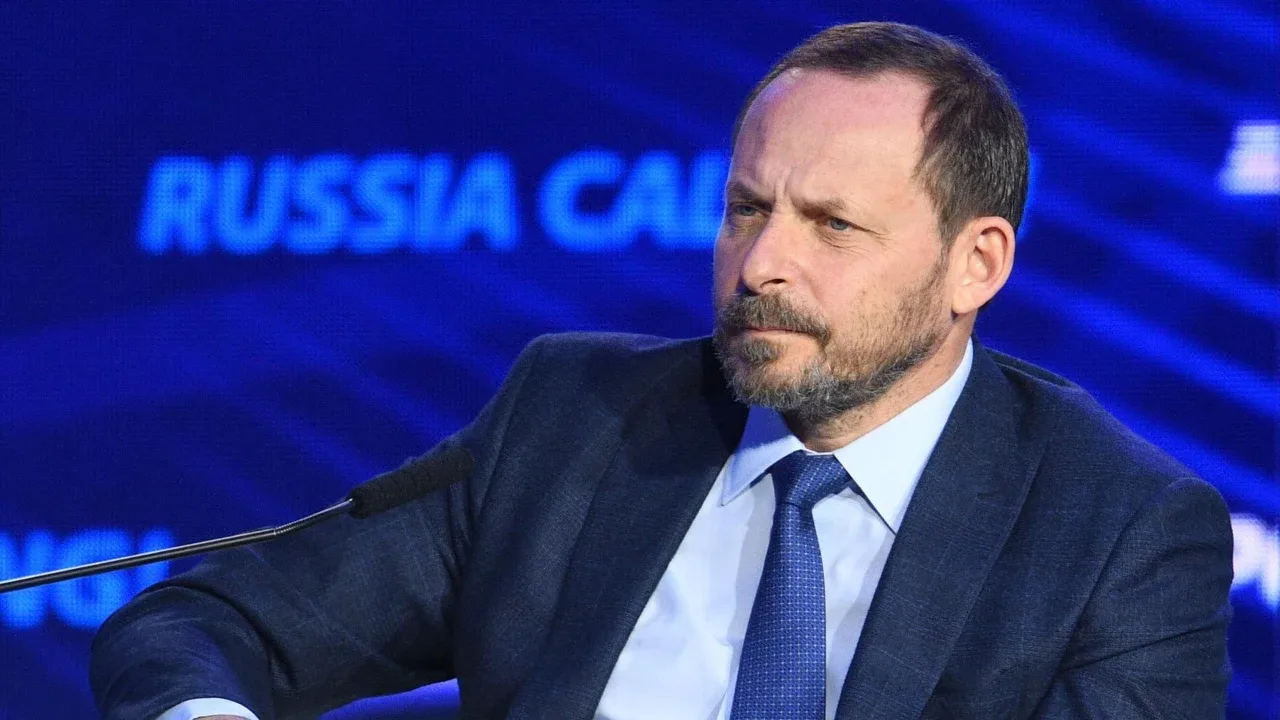
A strategic agreement has been signed that has caused a major stir in the global technology market and the cybersecurity sphere. The renowned US company, which is actively involved in military-technological resistance against Russia, Palantir , and the Israeli company founded by former Yandex CEO Arkady Volozh, Nebius Group , have officially announced a strategic partnership. According to Readovka, under this agreement, Volozh's infrastructure will be directly integrated into Palantir's secure system. Most notably, this deal comes at the same time as Palantir head Alex Karp is making major investments in Ukrainian defense technologies.
So, how will the former Yandex team, which has perfect knowledge of the Russian IT landscape and map data, assist American military structures? What is the true purpose of this tripartite alliance, and how will digital networks inside Russia be audited? At the end of the article, we provide all the details regarding the geopolitical consequences of this technological alliance and the monopoly in the media market.
Sovereign AI and protected perimeter: Terms of the alliance
The agreement signed by the parties aims to combine artificial intelligence and cloud computing power:
Key partner for 'Sovereign AI': Nebius Group has become a preferred infrastructure partner for 'sovereign artificial intelligence' for the Palantir system;
Access for government and commercial clients: Palantir's commercial and government (military and intelligence) clients will gain direct access to Nebius's vast cloud computing power;
Integration into a closed system: Arkady Volozh's infrastructure will be fully deployed directly within the most protected perimeter of the Palantir Sovereign AI Operating System.
"This is not just a business deal, but a direct connection of AI capabilities with the most advanced military and intelligence software," analysts assess.
Ukraine, Karp, and Volozh: A powerful three-way chain
This agreement is not accidental but is closely linked to other major projects of Palantir in recent weeks:
Investment in a former Ukrainian minister: At the end of August, Palantir CEO Alex Karp became the first and primary investor in a new 'defense-tech' company by former Ukrainian Defense Minister Mykhailo Fedorov (Fedorov is the person who personally implemented Palantir technologies into the Ukrainian army's target acquisition systems);
The third strategic link: The alliance with Volozh added a third important element to this chain;
Access to data and expertise: Palantir thus gains access to the databases of the former team of Russia's largest tech giant, Yandex, including deep knowledge of cartographic data, user behavior, and the most vulnerable points of the Russian digital landscape.
Expert opinion and the problem of advertising monopoly
Political analyst Andrey Medvedev noted that this situation is a serious signal for Russian security agencies and the IT sector:
Full security audit: The expert called for not panicking, but for a thorough re-examination of the Russian IT sector and an assessment of what opportunities the former Yandex team has to share information with the outside world;
Military pressure instruments: Analysts state that technological, military, and intelligence power is effectively uniting around Palantir, and the ultimate goal is to perfect military-technological strike tools against Russia;
Suppression of patriotic media: Furthermore, experts emphasize that Yandex, using its advertising monopoly, is leaving patriotic media resources in Russia without revenue, and that the lack of advertising is a heavy blow to their operations, with pressure in this area expected to intensify.
New balance of power in cyberspace
This agreement between Palantir and Nebius Group proves that digital warfare and AI resistance have reached a new, more complex stage. On one hand, the capacity of a global military IT company increases, and on the other, experienced professionals who built Russia's major digital infrastructure are joining the Western defense ecosystem. This alliance not only improves the identification of digital targets on the battlefield but also forces a rethink of the foreign dependence of Russia's own AI and cloud services.
In your opinion, how serious a threat does the merger of former Yandex founders and specialists with US military IT systems pose to Russia's internal digital security? Is it possible to maintain political neutrality for programmers and IT companies in the era of digital technology? Leave your thoughts in the comments and share this analysis of this important event in the world of high technology and geopolitics with your loved ones and friends interested in the IT field!



Comments 0
…