


US Imposes Sanctions on Kazakh Company for Cooperation with Iran
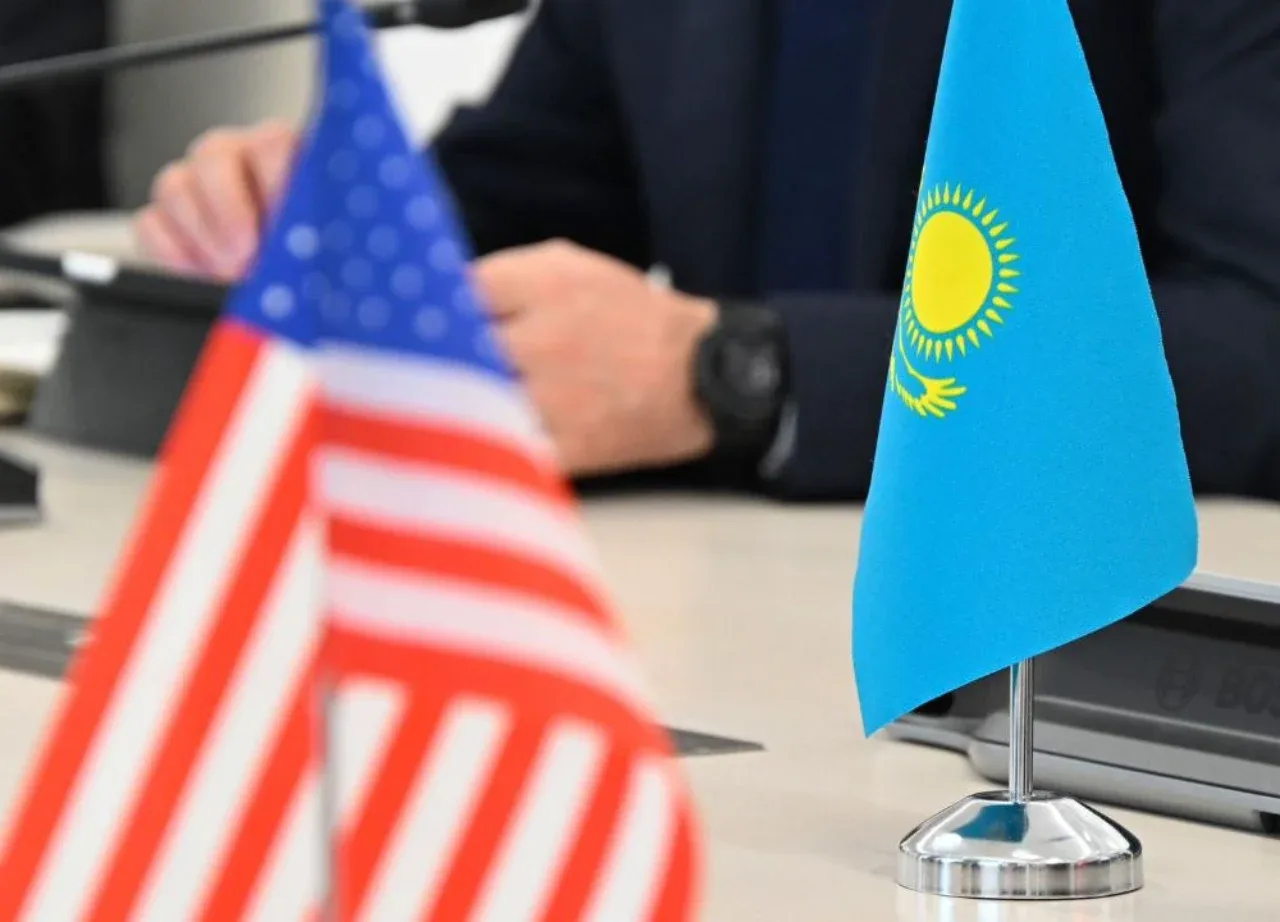
News has spread that has caused a serious stir in Central Asian business circles and the international financial market. The U.S. Department of the Treasury's Office of Foreign Assets Control (OFAC) Kazakhstan'sAlmaty-based firm 'Tour Invest LLC' has been added to its strictest 'blacklist' — the SDN list. According to the popular Kazakh Tengrinews publication, these restrictions were caused by the company's close cooperation with the Iranian aviation network, which has been condemned by Washington. At a time when Washington has launched a new, unprecedented wave of pressure on Tehran, dubbed 'Economic D-Day,' Central Asian companies are also becoming targets of secondary sanctions. So, which Iranian airline did the Kazakh firm mediate for, what will happen to its assets in the U.S., and what risks have emerged for foreign banks? At the end of the article, we will provide all the details regarding the impact of these sanctions on companies across the region and the mechanisms of secondary penalties.
Connection with 'Mahan Air': A 15-year ban's Kazakhstan spillover effect
U.S. officials have officially explained why they targeted the Almaty-based company:
Mediation Services: 'Tour Invest LLC' acted as an intermediary for selling services and providing local support for the major Iranian airline 'Mahan Air';
Links to the IRGC: The U.S. administration had already imposed sanctions on 'Mahan Air' back in 2011; they accuse this air carrier of providing material and logistical support to the special 'Quds' force of the Islamic Revolutionary Guard Corps (IRGC);
36 entities targeted: To date, such American restrictions have fully covered a total of 36 organizations and individuals associated with the Iranian aviation network.
'We are sharply increasing economic pressure on the Iranian regime. In this process, any foreign firm serving or mediating for them will face severe punishment,' the U.S. Treasury Department stated.
Severe consequences of the SDN list: Frozen accounts and secondary risks
The inclusion of the Kazakh firm on the special list triggers the following strict financial measures against it:
Asset freezing: All properties, bank accounts, and assets of the company located within U.S. territory will be fully frozen;
Ban on American partners: U.S. residents, companies, and citizens are strictly prohibited from conducting any trade, financial, or business operations with 'Tour Invest LLC';
Threat of secondary sanctions: Any third-country banks and financial institutions that have contact with this company, process transactions for it, or provide services to it also remain at risk of facing U.S. secondary sanctions.
A serious test and a stern warning for Central Asian business
This event has once again proven how dangerous it is to operate in an environment of international restrictions for Central Asian, particularly Kazakh and Uzbek, business circles. As part of its 'Economic D-Day' strategy against Tehran, the U.S. Treasury is closely monitoring all logistics and tourism networks cooperating with Iran. The complete blocking of the Almaty firm is a huge signal for other enterprises in the region to strictly strengthen compliance control in international contracts and mediation activities. Now, even short-term cooperation by any local company with toxic entities poses a risk of being completely cut off from the global financial system.
In your opinion, how will the U.S. imposition of such restrictions on foreign firms linked to Iran, particularly Central Asian companies, affect economic and transport development in the region? What precautions should local business owners take to avoid being sanctioned? Leave your thoughts in the comments and share this relevant analysis of the business and economic world with your friends and business acquaintances!



Comments 0
…