


Scientists reveal the true cause of the horrific tragedy in Nepal and Tibet
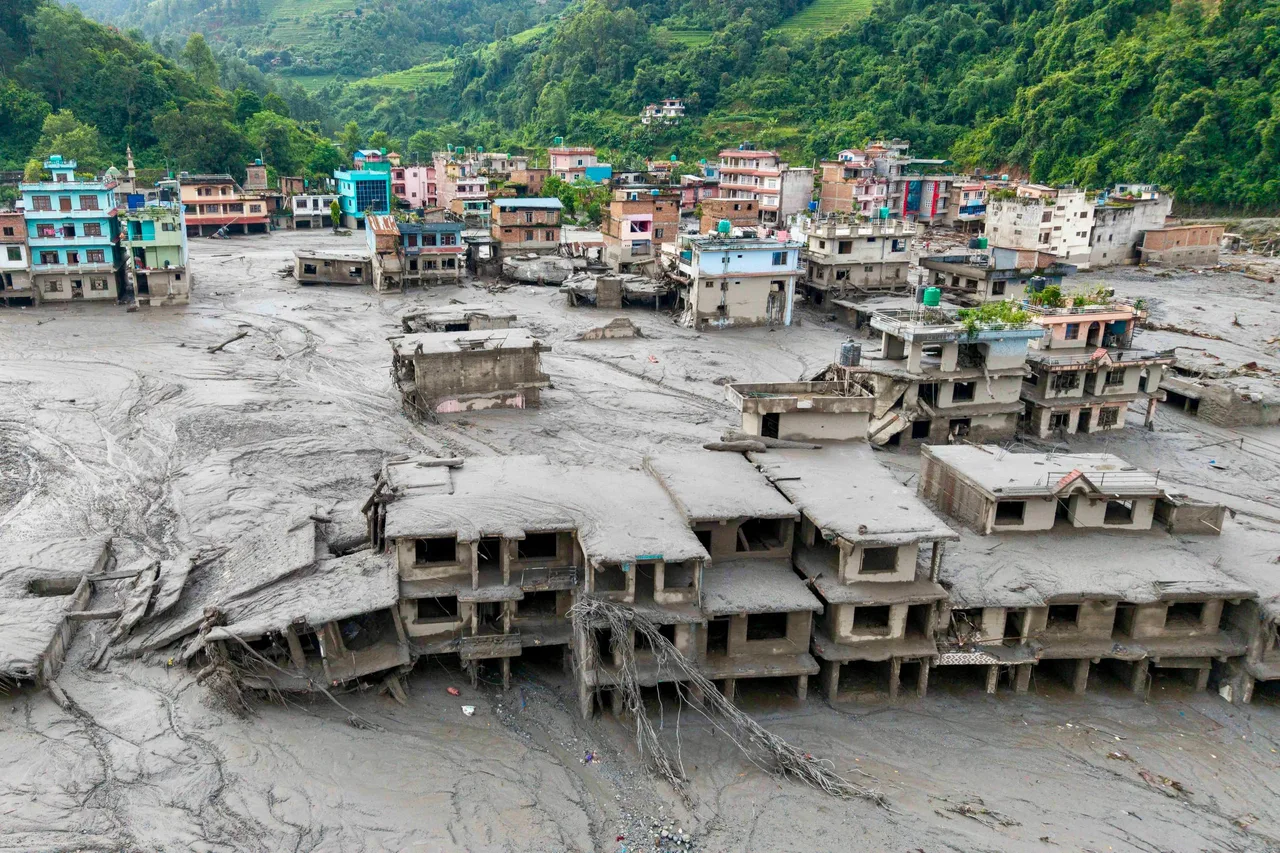
The catastrophic glacier collapse that occurred on the borders of Nepal and Tibet in August of this year, destroying settlements and shaking the region, turned out to be not just a coincidence of nature, but the consequence of artificially accelerated global processes. An influential research group World Weather Attribution (WWA), uniting leading international climate scientists, has published the results of a comprehensive scientific investigation into the tragedy.
According to the scientists' conclusion, the main reason for the rapid collapse of huge masses of ice in the high-altitude ranges of the Himalayas is global climate change caused by human activity and a sharp rise in temperature in the region. As a result of the melting of permafrost that has remained stable for centuries, the ice sheets have thinned, lost their strength, and ultimately triggered massive avalanches.
So, what other frightening facts did WWA researchers uncover behind this catastrophe, how will the melting of Himalayan glaciers affect billions of people in Asia, and is it possible to prevent upcoming natural cataclysms?
"Melting and thinning of permafrost": Main conclusions of WWA scientists
The most important scientific evidence in the report published by the international group of researchers:
Sharp temperature rise: The rise of average temperatures in the region to above-normal figures caused the ice layers in high mountain ranges to soften simultaneously;
Thinning of ice sheets: The mountain masses that led to the August tragedy had been eroding from below and above under global warming for many years, losing their natural foundation;
Permafrost degradation: Scientists note that the melting of permafrost layers in the Himalayas and the Tibetan Plateau has dissolved the geological "glue" holding the mountain slopes together;
Accelerating danger: The impact of climate change is felt 2-3 times faster in mountainous regions than in the plains, and the risk of such disasters has increased manifold.
Himalayas — "The Third Pole of the World": Why is the region under a huge threat?
Geoecological hazards caused by the disruption of Himalayan glaciers:
"Asia's water tower" under threat: The glaciers of the Himalayas and Tibet supply water to the Indus, Ganges, Brahmaputra, Yangtze, and other major rivers — their disappearance poses a direct threat to the drinking water supply of over 1.5 billion people;
Glacial lake outburst floods (GLOF): Following the melting of glaciers, new unstable water bodies are formed, and their sudden bursting can submerge cities and villages in lower valleys underwater within minutes;
Agricultural and economic economic crisis: Mudflows and avalanches originating from the mountains destroy hydroelectric power plants, roads, and crop fields, causing trillions of dollars in damage to the regional economy.
Global ecological analysis: What are experts sounding the alarm about?
The call to the world community by WWA experts and international ecologists:
Not a natural disaster, but human error: Climatologists assess the tragedy in Nepal and Tibet not just as weather whims, but as a direct geological consequence of greenhouse gases emitted into the atmosphere;
Early warning systems are needed: Given that the repetition of such disasters is inevitable, it is required to urgently introduce monitoring systems based on satellites and sensors in high-altitude areas;
Paris Agreement limits: If international commitments to keep global temperature rise within 1.5°C are not fully met, two-thirds of the Himalayan glaciers could completely melt by the end of the century.
The horrific glacier collapse in Nepal and Tibet served as a serious wake-up call showing that even the highest points of our planet cannot survive the climate crisis, signaling that the time for overdue actions has arrived worldwide.
Do you think that the melting of the Himalayas and other mountain glaciers will also directly affect the water and climate security of Central Asia, in particular, Uzbekistan? Are the climate promises of world countries sufficient to stop such major natural cataclysms? Leave your analytical thoughts in the comments and share this important analysis on global ecology with all your friends and nature lovers!



Comments 0
…