


High-speed train service from Tashkent to Nukus to be launched
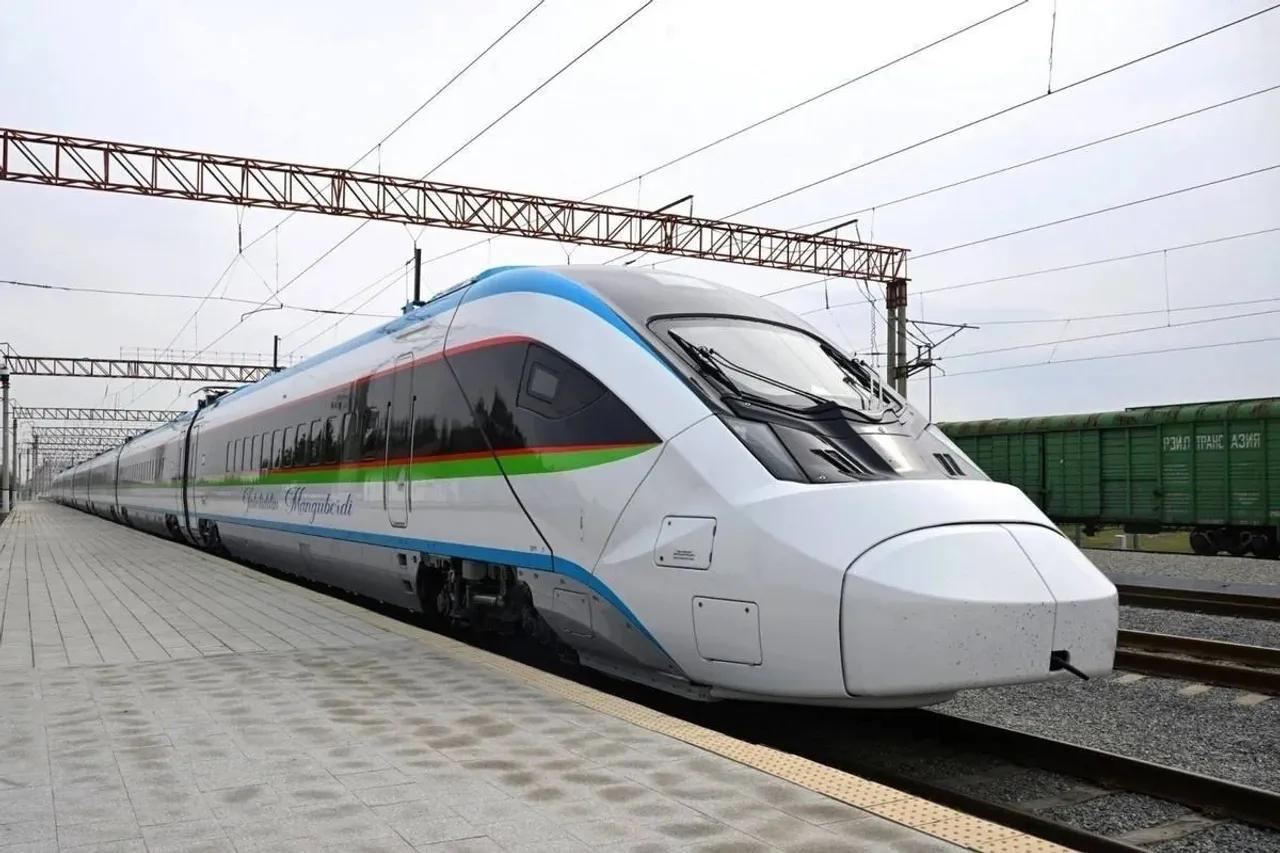
Another major logistical revolution connecting the country's capital and the Aral Sea region is officially being launched in Uzbekistan's railway transport system. It is reported that starting from March 2027, regular high-speed modern passenger train services are planned to be established between Tashkent and Nukus. The biggest and most sensational news is that travel time will be reduced by more than half: while it currently takes about 16 hours to cover the distance from Tashkent to Nukus, with the launch of the new high-speed trains, this figure will be only 7 hours. This strategic project will not only ease the long and arduous travel ordeal for millions of passengers and tourists, but will also bring Karakalpakstan's domestic tourism, investment, and trade ties much closer to the capital.
So, along which routes will these high-speed trains reducing the 16-hour journey to 7 hours operate, what will ticket prices and conditions be like, and what massive impact will this project, starting in the spring of 2027, have on the regional economy?
"From 16 hours to 7 hours": Key figures and opportunities of the high-speed service
Important indicators set for the new Tashkent — Nukus railway service:
Launch date: Regular and systematic services will begin starting from March 2027;
Travel time halved: The current 16-hour travel time will be reduced to 7 hours, saving passengers 9 hours of valuable time;
High-speed modern sets: The route will feature the latest generation of high-speed electric trains, ensuring complete comfort and safety;
Interregional connectivity: This express train will provide rapid transit between the capital and regional centers and important stations all the way to Nukus.
"Tourism boom and affordable logistics": What will the project provide?
Strategic advantages of the Tashkent — Nukus high-speed network:
A new breath of life for Karakalpakstan's tourism: The flow of local and foreign tourists visiting the world-famous Igor Savitsky State Museum, Muynak, and the Aral Sea coast will sharply increase;
Mobility and comfort for the population: An alternative transport option will be created that is much more affordable than an airplane and several times safer and faster than a car;
Economic integration: Business, trade relations, and travel for small business representatives between the capital and the region will be simplified.
Transport and infrastructure analysis: Experts' conclusion
Assessment by railway industry specialists and analysts:
Full electrification of infrastructure: The complete electrification and modernization of the Bukhara — Miskin — Nukus route has created a solid foundation for high-speed traffic;
Healthy competition with aviation: A 7-hour train journey, considering airport check-in and waiting times, will serve as a serious and competitive alternative to domestic flights;
Green transport and ecology: High-speed electric trains will drastically reduce harmful emissions into the atmosphere compared to motor vehicles and have a positive impact on the ecology of the Aral Sea region.
Expected to be launched in the spring of 2027, the Tashkent — Nukus high-speed railway service is undoubtedly set to be one of New Uzbekistan's greatest achievements in uniting regions and creating decent conditions for citizens.
In your opinion, to what extent will the opportunity to reach Nukus from Tashkent in 7 hours develop Karakalpakstan's domestic tourism and entrepreneurship? What price range do you think tickets for this high-speed train, opening in 2027, should be in? Leave your analytical thoughts and comments in the feedback section and share this joyful news analysis from our country with all your loved ones and travel enthusiasts!



Comments 0
…