


Saudi Arabia restores strategic pipeline bypassing the Strait of Hormuz: oil prices decline
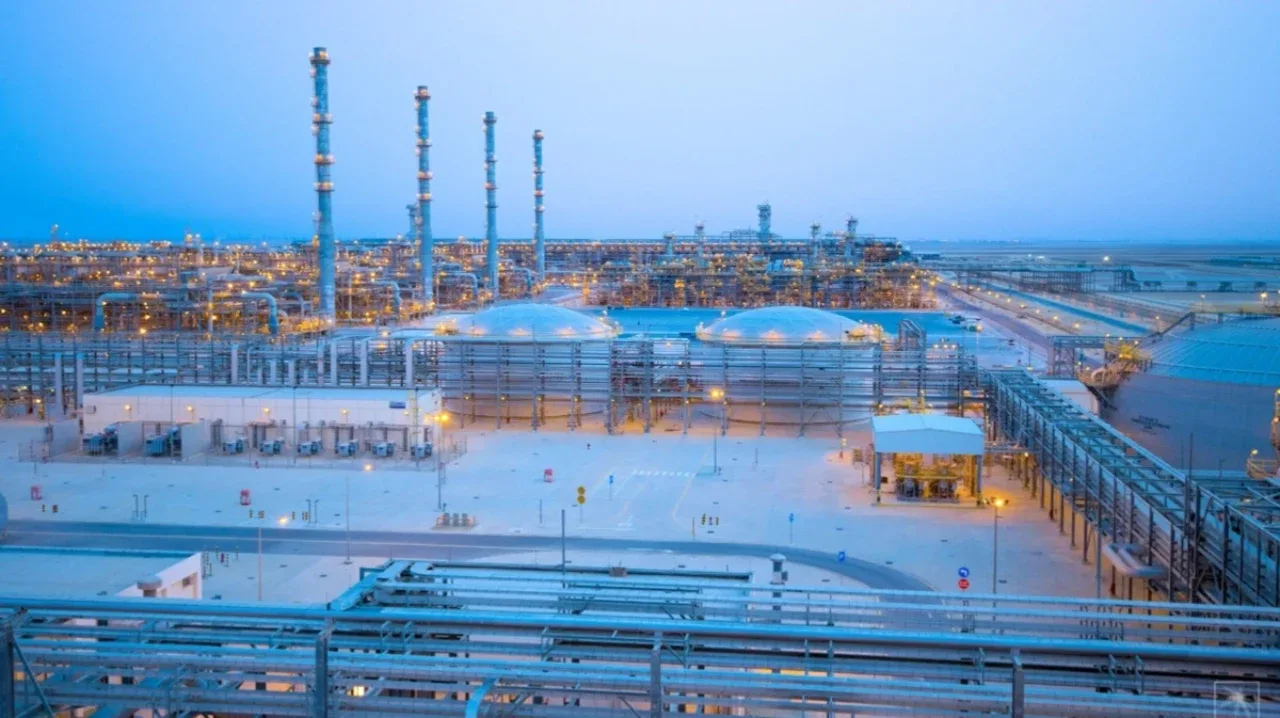
At a time when sharp price surges and diesel fuel shortages are being observed in the global energy market, important good news has been announced for the world economy. Saudi Arabia has restored the operation of the strategically important "East-West" oil pipeline by swiftly constructing bypass routes around three pumping stations damaged by Houthi airstrikes. According to the international Reuters news agency, citing its sources, official Riyadh is resuming oil exports through the port of Yanbu on the Red Sea.
During the forced suspension lasting approximately 10 days, the price of black gold jumped to as high as $109 per barrel, driving diesel and gas prices to record highs in the US and Europe; however, amid news of the pipeline restart, prices on the global market dropped to $95 per barrel in seconds. Through this mainline, OPEC's primary heavyweight bypasses the risks of the Strait of Hormuz, delivering nearly 4 million barrels of oil per day (representing about 4 percent of total global supply) to western ports. Saudi Aramco is continuing prompt measures to return the pipeline capacity to its full volume.
So, can Saudi Arabia's move stabilize global markets, put an end to the diesel and gasoline crisis, and will geopolitical conflicts in the Middle East not shake the fuel market once again?
"10-day crisis, $95 oil and Yanbu port": 5 key points of strategic restoration
The most important facts regarding the major changes on the energy scene:
Pipeline restarted: Saudi Arabia quickly built a new network around the 3 pumping stations attacked by Houthis and put the "East-West" pipeline into operation;
Oil prices drop sharply: The price of a barrel of oil, which had risen to $109 due to the 10-day suspension, dropped to $95 following the news;
Volume of 4 million barrels per day: The Kingdom is directing this massive flow, accounting for 4% of world oil supply, to the port of Yanbu on the Red Sea;
Bypass route of the Strait of Hormuz: This system serves to avoid being tied down to the dangerous Strait of Hormuz controlled by Iran and to maintain logistical continuity;
Saudi Aramco plan: Although the pipeline is currently operating at reduced capacity, the company aims to bring pumping up to the full 4 million barrel level in the near future.
"East-West" oil pipeline crisis: indicators of stoppage and restoration
Comparison of Saudi Arabia's oil export situation:
Indicators and criteria | 10-day stoppage after the attack | After the pipeline restart |
Global oil price (Brent) | Rose up to $109 (peak point) | Dropped to $95 (decline) |
Pipeline status | 3 pumping stations damaged and suspended | Bypass routes built and restored |
Transit route | Under severe blockades in the Strait of Hormuz | Export via Red Sea, port of Yanbu |
Export volume | Had dropped to a minimal level | Up to 4 mln barrels per day (4% world share) |
Impact on fuel markets | Diesel and gas prices set historical records | Panic in markets subsides and supply stabilizes |
Operator (Saudi Aramco) | Emergency restoration work | In the stage of increasing full throughput capacity |
Expertise in energy and economic security: Why did this event save the global market?
Conclusions of international market analysts and oil industry experts:
Escaping the pressure of the Strait of Hormuz: The Strait of Hormuz had become the most dangerous point due to military conflicts and attacks on ships in the Middle East; the "East-West" pipeline allowed Saudi Arabia to bring oil directly to the Red Sea and successfully bypass the maritime blockade;
Curbs on the diesel crisis: The rise in oil prices to $109 was a severe blow, especially for US and European industry, with logistics and diesel fuel becoming sharply more expensive; the return of prices to $95 temporarily reduces the risk of global inflation;
Promptness of Saudi engineering: Usually, repairing accidents in complex oil infrastructure takes several months; Saudi Arabia's construction of bypass pumping pipes within 10 days proved Aramco's readiness for crises and its immense financial and technical might;
Geopolitical leverage: By bringing pipeline capacity to 4 million barrels per day, Riyadh demonstrated its ability to swiftly cover the shortage in global supply, showing that it remains the sole driving force setting prices in the oil market.
This strategic step by Saudi Arabia became a decisive factor that saved the world economy from another severe fuel shock.
In your opinion, following the launch of the Saudi Arabian oil pipeline, will fuel prices drop further to the $80-85 range, or will tensions in the Middle East push prices above $100 again? How do you think the drop in oil prices should affect fuel prices in our domestic market? Leave your personal feedback in the comments and share this important analysis directly relevant to the global economy with all your friends!



Comments 0
…