


Astrolab and Interstellar Mapping to search for water resources on the Moon
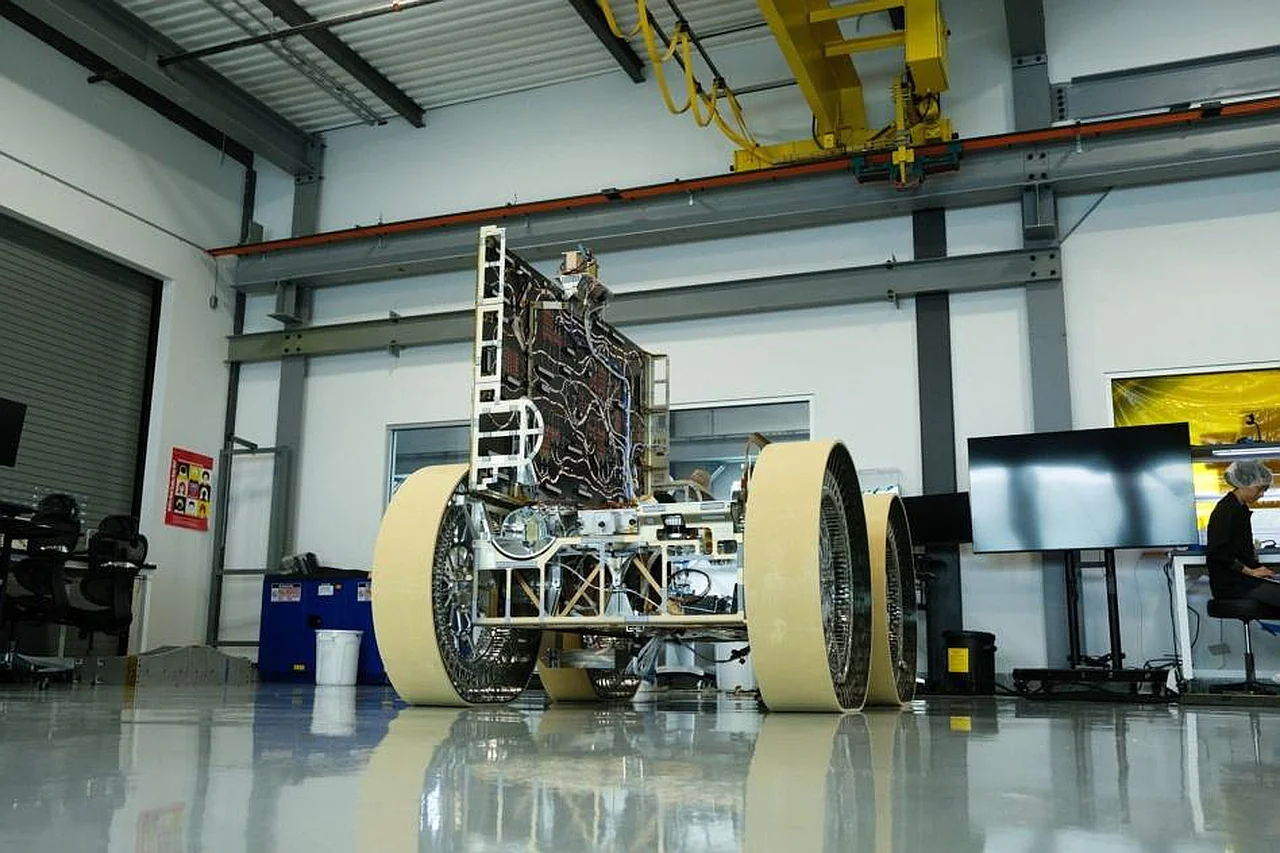
Exploration for strategically important resources for the future Moon Base has begun. Astrolab has signed an official partnership agreement with Interstellar Mapping, a company specializing in subsurface resource cartography. This joint initiative is aimed at preparing for future NASA space programs and accurately assessing natural reserves. This is reported by Ixbt.com .
According to Ixbt.com, Interstellar Mapping specialists will conduct deep analysis of the lunar subsurface. Their primary task is to identify regions with the highest probability of containing hydrogen-bearing volatiles and ice layers. It is worth noting that this experiment marks the company's first practical step in working with commercial lunar missions.
Scientific approach and exploration process
The search for water resources on the Moon goes beyond simply selecting the coldest or darkest regions. As explained by Andrew Hazelton, CEO of Interstellar Mapping, a deep understanding of subsurface thermal processes plays a decisive role in determining where water and ice have been preserved for long periods.The analytical data obtained will serve as a primary guide for the advanced rover from Astrolab, known as the FLIP (FLEX Lunar Innovation Platform). This smart device will be able to navigate to the specified coordinates and collect soil samples for scientific analysis.
Future plans and space prospects
Currently, one of the most critical stages of the project—pre-flight preparations—is being finalized. The Griffin-1 lander from Astrobotic has been selected to ensure the rover successfully reaches the lunar south pole. This mission is planned as part of NASA's CLPS program and is scheduled for November of this year.Experts believe that water found on the lunar surface is not just of scientific interest, but also serves as a strategic raw material. In the future, these resources will be used to refuel spacecraft directly before flights to Mars and other distant planets. As a result, the Moon Base is expected to become humanity's primary 'transit hub' in deep space.


Comments 0
…