


Minister Fazal Shakur Khan abducted by armed group in Pakistan (video)
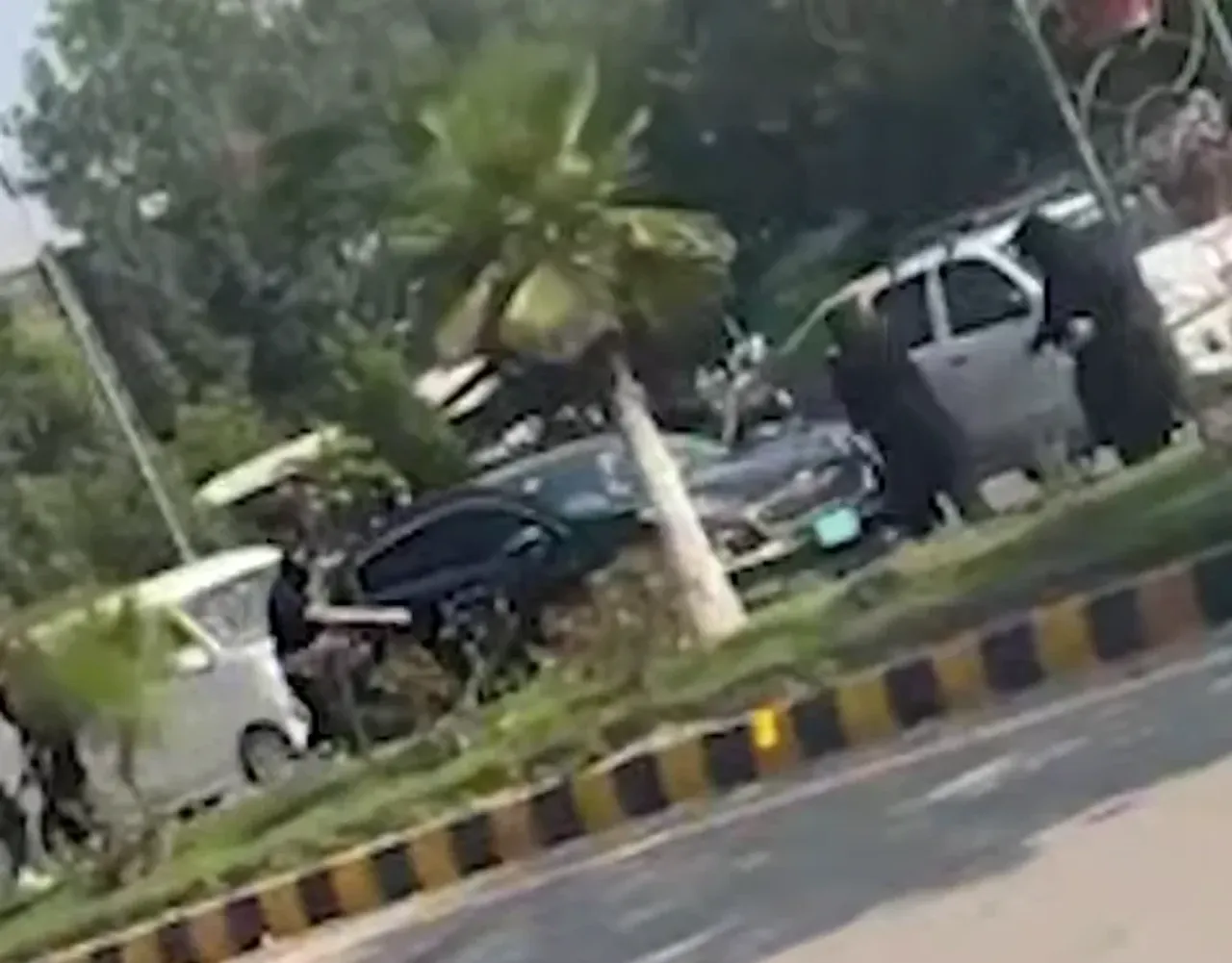
An extraordinary criminal and political incident that shook the political circles of the entire country has taken place in Pakistan, one of the key nations of South Asia. Fazal Shakur Khan, Pakistan's Minister of Public Works and Communications, was openly abducted in broad daylight by an unidentified armed militant group. Video footage captured by eyewitnesses and leaked to social networks clearly shows a group of armed individuals dressed in black stopping the minister's official motorcade and vehicle in the middle of a busy road, and then forcefully taking the high-ranking official away in an unknown direction without any resistance.
The ease with which a government member was taken hostage demonstrated a serious breakdown in the country's security system, prompting emergency security meetings in Islamabad. At this moment, large-scale search-and-rescue and investigative operations are being conducted across the area by the Pakistani police, army units, and national security services; the minister's whereabouts and the true demands of the criminals are being determined.
So, which extremist or separatist forces are behind the minister's abduction, will this event push the government to the brink of resignation, and has control been lost in Pakistan's unstable regions?
"Open attack, road blockade, and unknown destination": 5 key points of the crime
The most important facts and details from the horrific incident in Pakistan:
The minister was abducted in broad daylight: Minister of Public Works and Communications Fazal Shakur Khan was openly kidnapped during the day in a crowded area;
Raid action by an armed gang: Eyewitness footage records that individuals wearing black masks and carrying arms surrounded the minister's car and forcibly took him away;
Destination remains unknown: Following the attack, the criminals vanished without a trace, and so far they have not made any official political or financial demands;
Emergency operation by law enforcement: Pakistan's special services, police, and army blocked all exit routes and launched prompt search operations;
Security crisis in the state apparatus: The abduction of a high-ranking minister under state protection exposed deep problems in the country's internal security system.
Security of state figures in Pakistan: Analysis of the real situation and systemic problems
Parameters of the security gaps arising in connection with this event:
Criteria and directions | Standard state protection requirement | Situation in the Fazal Shakur Khan case |
Victim persona | Government minister, statesman | Minister of Public Works and Communications |
Time and conditions of the attack | Guarded safe movement | Broad daylight, on an open highway, in plain sight of people |
Attackers' tactics | Must be anticipated in advance by intelligence | Stopping the vehicle, surrounding it, and forcibly kidnapping |
State security service reaction | Armed resistance and protection of the object | Control lost without resistance or at a minimal level |
Potential perpetrators | Criminal or terrorist groups | Separatist, extremist groups, or political mercenary gangs |
Current situation and measures taken | Emergency state regime | Comprehensive search by special services and the army |
Conclusion of security and geopolitical experts: Why is this event a dangerous signal for Pakistan?
Conclusions of international security experts and orientalists:
"Weakening of state authority" syndrome: Although the abduction of ordinary citizens or local wealthy individuals is common, the open abduction of a serving minister demonstrates that criminal and armed groups have no fear whatsoever of state laws; this is a devastating blow to the central government's prestige;
Potential political pressure and bargaining: The abduction of ministers is usually used as political leverage to secure the release of imprisoned militants, halt army operations in certain provinces, or change government policy, rather than to extort large ransoms;
Regional instability and activation of radical forces: This indicates that radical groups operating in Pakistan's border and mountainous provinces have now shifted to tactics of directly targeting officials within cities in their fight against the central government;
Internal crisis and political fragmentation: This incident will inevitably lead to serious resignations in the Pakistani parliament and government, and accountability for security agency heads.
The daytime kidnapping of Minister Fazal Shakur Khan has turned into a life-or-death test for Pakistani statehood and security agencies.
In your opinion, is there a factor of negligence by security services or internal betrayal in the abduction of the acting minister without any resistance? Which forces might be behind such a high-profile crime? Leave your personal thoughts and comments below and share this analytical article dedicated to this alarming event in South Asia with everyone!



Comments 0
…